

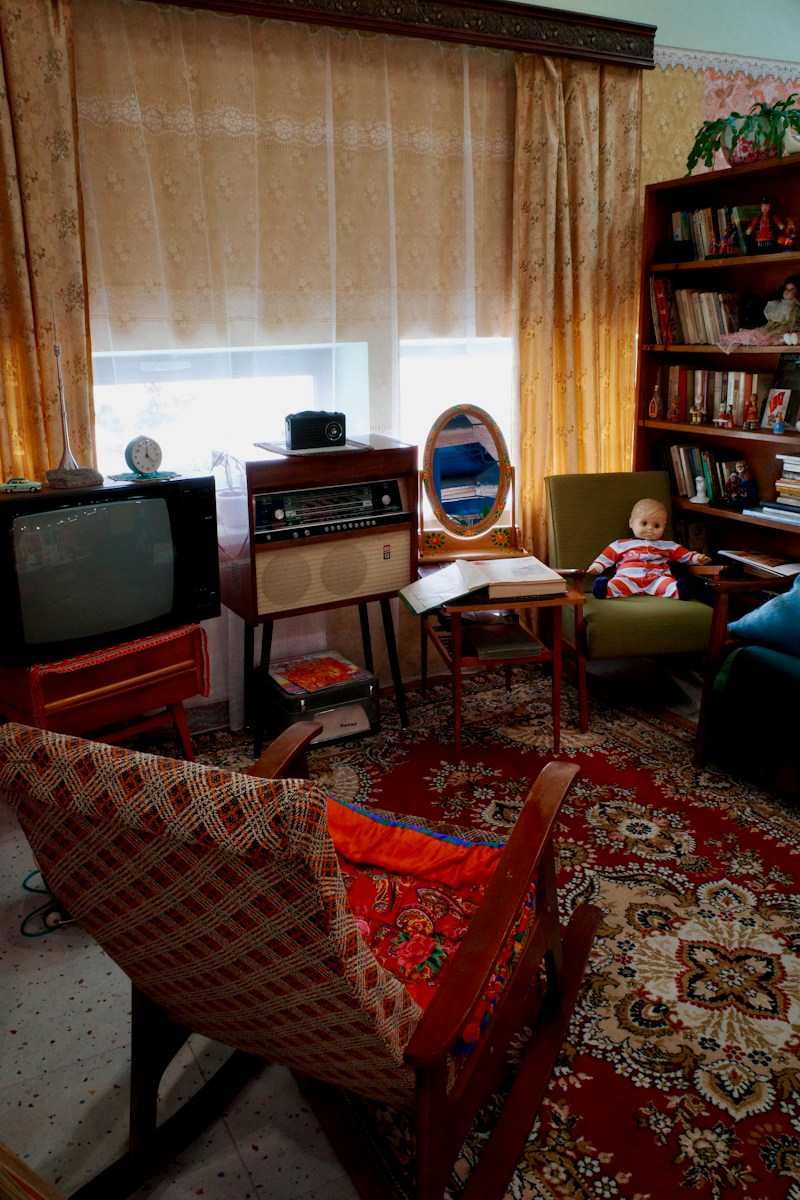
Every household has its own constitution, and the Boomer edition came with a lot of amendments. Some rules made sense when furniture was a major investment meant to last decades. Others seem to have existed purely to keep kids on their toes.
Gen Z, raised in an era that prizes comfort and lived-in spaces over pristine showrooms, looks at some of these old house rules and just shrugs. Here are eight that get the most eye rolls at family gatherings.
The Good Couch Is Off Limits
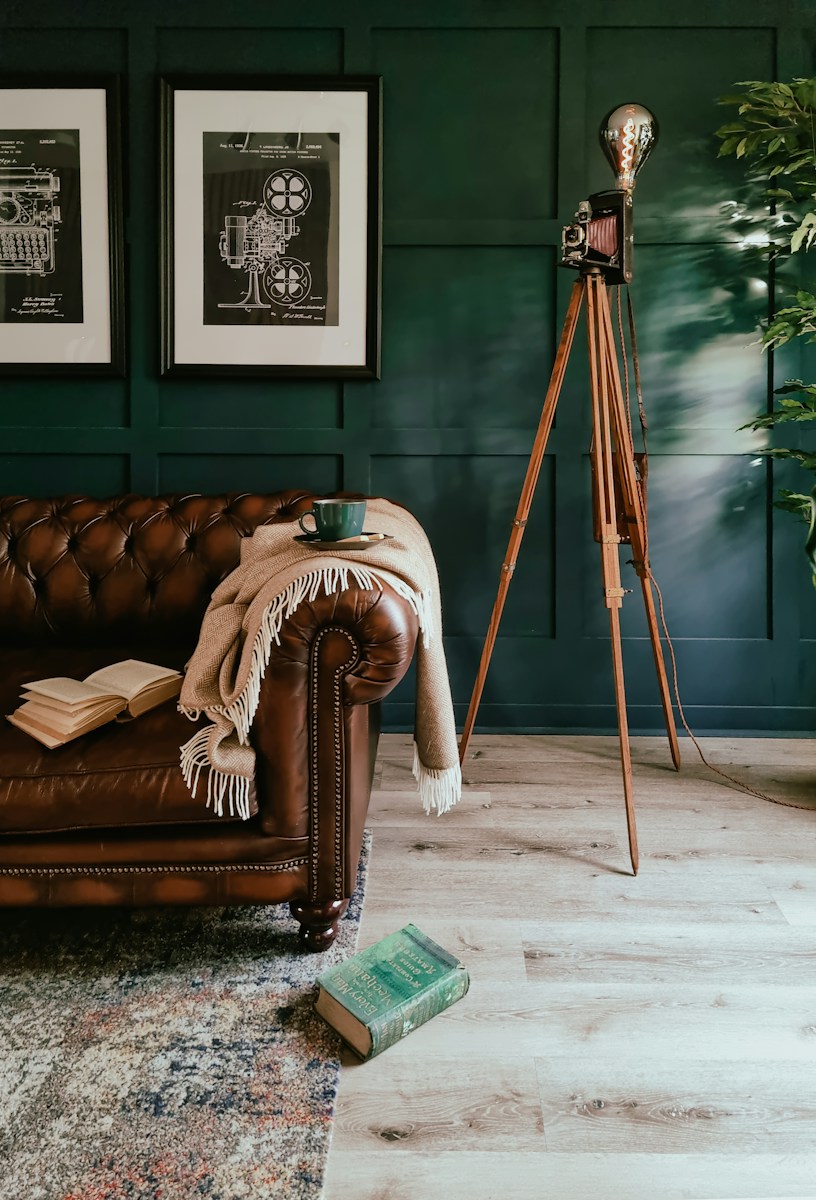
In a lot of Boomer households, one couch in the formal living room was essentially a museum piece. It sat in a room that stayed cool, dim, and untouched except when company came over, and kids learned early that sitting on it uninvited was a fast way to get yelled at. Gen Z, who grew up piling onto sectionals for movie nights, finds the idea of a couch nobody is allowed to use kind of absurd. If furniture is going to take up square footage in a home, most younger adults would rather it earn its keep every day. The instinct now leans toward buying pieces that are meant to be lived on, spilled on occasionally, and replaced when they wear out, rather than preserved indefinitely for guests who might visit twice a year.
Save the Good Towels and Dishes for Company
Plenty of homes had two tiers of everything: the everyday stuff and the good stuff, reserved exclusively for guests. The good towels stayed folded in a closet, the good dishes stayed behind glass, and family members used the worn, mismatched versions daily. Gen Z tends to flip that logic entirely. If something is nice enough to impress a guest, the thinking goes, it is nice enough for a random Tuesday. This generation grew up watching minimalist home content that treats everyday life as worth doing well, not just performing well for visitors. Buying fewer, better things and actually using them has become something of a value statement, a quiet rejection of the idea that comfort and beauty should be rationed out only for special occasions instead of built into ordinary routines.
No Eating Outside the Kitchen or Dining Room
A strict food-stays-in-designated-rooms policy governed a lot of Boomer households, largely to protect carpet and upholstery from stains. Snacks in the living room were a negotiation, and eating in a bedroom was practically contraband. Gen Z, many of whom live in smaller apartments where the couch doubles as a dining table, dinner table, and desk, does not really register this as a rule worth keeping. Practicality has mostly replaced formality here: if the space works better for eating while watching something, that is where the plate goes. Part of this shift also reflects different attitudes toward furniture longevity in general, since younger renters often expect to replace or reupholster pieces anyway rather than treating every surface as something to protect at all costs.
Always Make the Bed Before Leaving the House
For a lot of Boomer parents, an unmade bed was basically a moral failing, evidence of a day already going wrong. It was a non-negotiable morning task tied up with ideas about discipline and self-respect. Gen Z has largely reframed this one as optional rather than essential, especially among people juggling early alarms, roommates, and work-from-home schedules where the bedroom door just stays closed all day anyway. Productivity culture online has actually revived some appreciation for the habit, but it is framed now as a personal choice that might help someone feel more grounded, not a rule enforced by a parent standing in the doorway. The pressure has shifted from obligation to optional ritual, which is a meaningfully different relationship with the same task.
The Thermostat Is Not to Be Touched
In many households, one person guarded the thermostat like a vault combination, and touching it without permission could start a genuine argument. The logic was mostly financial, since heating and cooling bills were treated as a serious household expense to manage tightly. Gen Z adults living on their own have generally had to learn this lesson themselves rather than inherit it as an unquestioned rule, and many now use smart thermostats that adjust automatically based on schedules or presence, which removes the drama entirely. The rule feels less like a rejection of frugality and more like the natural result of technology solving a problem that used to require constant vigilance and the occasional family standoff over sixty-eight versus seventy-two degrees.
Company Is Not Allowed Past the Living Room
Guests in a lot of Boomer homes stayed confined to the living room or maybe the kitchen, with bedrooms and other private spaces treated as strictly off-limits during visits. It kept the rest of the house from needing to be perfectly staged at all times. Gen Z tends to be more relaxed about giving friends the run of a place, partly because smaller living situations make strict zoning impractical, and partly because a more casual, come-as-you-are hosting style has become the norm. A friend wandering into a bedroom to grab a charger or see a pet is not a breach of etiquette anymore, just a normal part of hanging out somewhere that feels genuinely lived in rather than staged for an audience.
Cloth Napkins Every Single Night
Setting a proper table with cloth napkins was a nightly ritual in some households, treated as basic decorum rather than something reserved for holidays. It also meant a steady rotation of laundry dedicated just to napkins. Gen Z generally treats cloth napkins as a nice touch for a dinner party rather than an everyday requirement, favoring paper towels or simply skipping the formality on a regular weeknight. This is less about rejecting elegance and more about triaging effort: when both people in a household are working full time, the energy goes toward getting dinner on the table at all, and napkin folding rituals tend to fall away first.
The Front Door Is for Guests Only
In some homes, family used the side or garage door exclusively, while the front door stayed reserved for company, salespeople, or the occasional formal event. It kept the entryway looking presentable at all times. Gen Z, many of whom rent apartments or condos with a single entrance, does not usually have the luxury of maintaining two separate doors for two separate audiences. Even those who do often find the whole system more trouble than it is worth. The appeal of a spotless, untouched entryway has faded next to the appeal of just walking in the closest door after a long day, groceries in hand, without worrying about which threshold is socially acceptable to cross.

Leave a Reply