

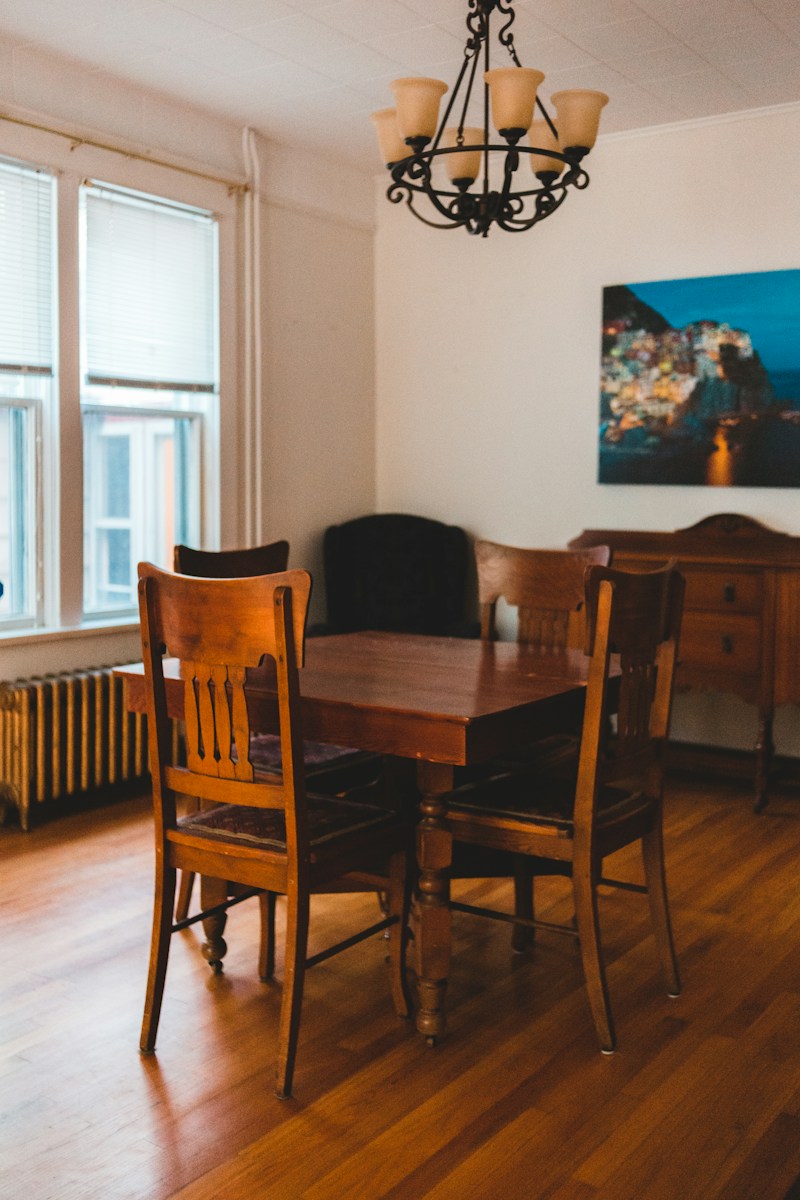
Dark wood furniture from the ’70s and ’80s tends to be genuinely well made — solid construction, real wood, joints that have survived decades of use without falling apart. Gen Z isn’t rejecting the bones of these pieces so much as everything layered on top of them.
In fact, as vintage and secondhand shopping have surged among younger buyers, with reporting on Gen Z’s growing appetite for estate-sale furniture, plenty of these pieces are being kept and reworked rather than tossed. Here’s what they’re actually changing about them.
The Heavy, Dark Stain
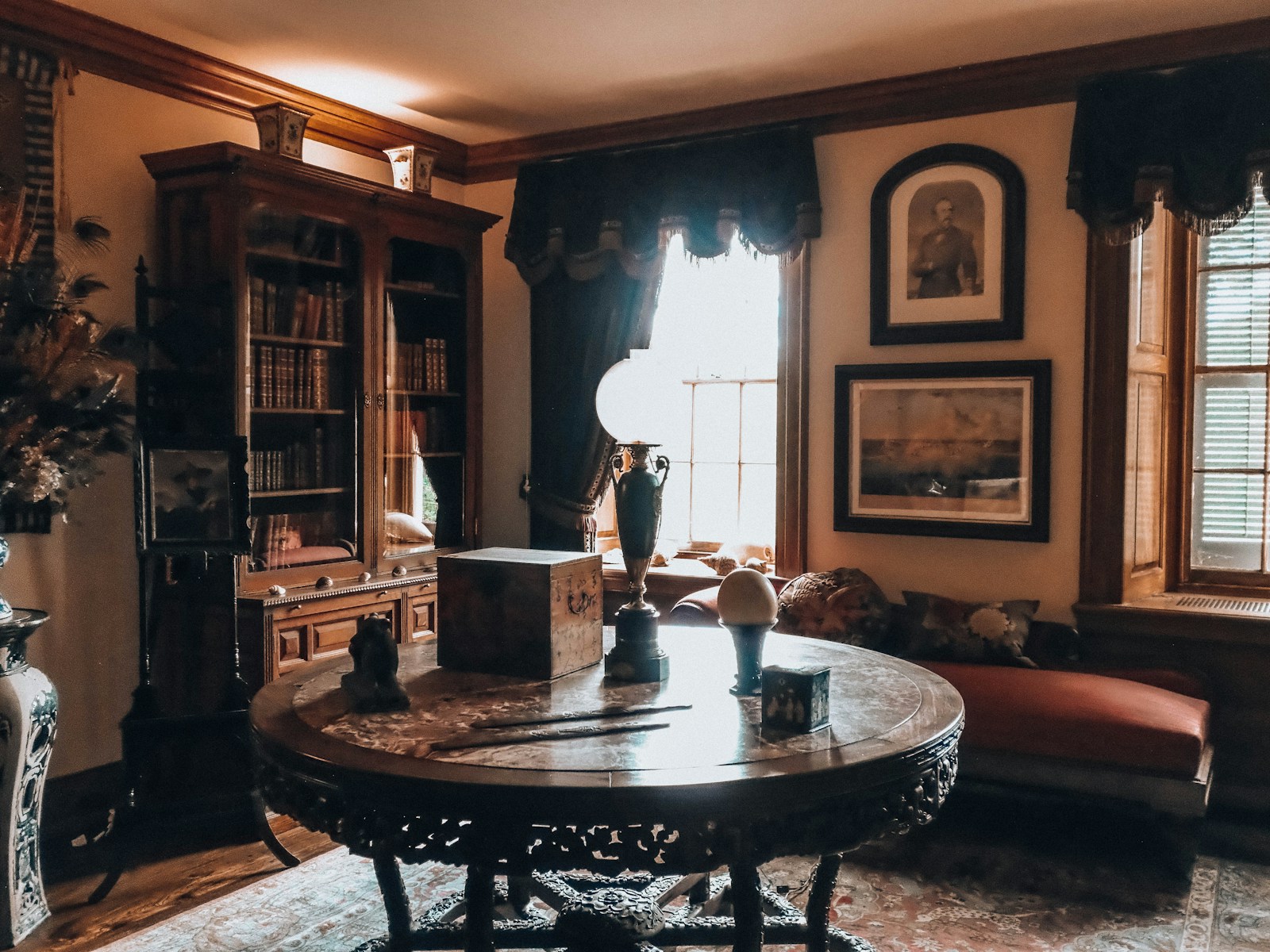
A deep espresso or mahogany-toned stain was the default finish for most furniture of the era, chosen to look substantial and formal. It’s also the single most common thing Gen Z changes first, using stripping and sanding techniques to lighten the wood to a more natural tone, or applying a whitewash effect that lets the grain show through without the heaviness. The wood itself usually stays; it’s the original finish that goes.
Ornate Carved Details
Scrollwork, carved fruit or floral motifs, and decorative moldings were common flourishes meant to signal craftsmanship and expense on dressers, headboards, and dining sets. Gen Z’s taste generally runs cleaner and more minimal, so a lot of these details get sanded down or the pieces are chosen specifically without them. When the carving is too integral to remove, some owners lean into it instead, treating an ornate piece as an intentional statement rather than something to be minimized.
Bulky, Oversized Proportions
Furniture built for larger, more traditional room layouts often reads as oversized in a smaller modern apartment. Rather than replacing a solid dresser entirely, some Gen Z owners have it professionally cut down or simply reassign its purpose — a large hutch base becomes a media console, a tall armoire becomes closet storage in a room without one. The goal is keeping the quality wood while making the scale work for a smaller footprint.
Original, Dated Hardware
Brass teardrop pulls, ornate knobs, and heavy drawer handles instantly date a piece more than almost anything else about it. Swapping hardware is one of the cheapest, most common updates: new matte black or brushed brass pulls in a simpler shape can make an otherwise identical dresser look decades newer in an afternoon. It’s often the single highest-impact, lowest-cost change made to an inherited piece.
A Fully Matched Suite
Rather than keeping a dresser, nightstand, and headboard together as the original matched set they were sold in, Gen Z tends to break the set apart and mix each piece into a different room or alongside different styles entirely. A nightstand might end up as a side table in the living room while the dresser stays in the bedroom, paired with a completely different, newer bed frame instead of its original match.
The Absence of Any Lighter Contrast
A room full of only dark wood furniture, with no lighter elements to break it up, can feel heavy and dim regardless of how nice the individual pieces are. Gen Z tends to keep the furniture but change everything around it: lighter rugs, pale wall colors, and airy textiles that let the dark wood act as a grounding accent rather than the room’s dominant visual weight from every direction.
Treating It as Disposable Instead of Refinishable
Perhaps the biggest mindset shift is refusing to see a scratched or dated dark wood piece as trash simply because it needs work. Where it might once have gone straight to a landfill, more of these pieces are being professionally refinished or tackled as a weekend DIY project, since the underlying wood is often higher quality than anything available at comparable price points today. The furniture stays; only its finish and context change.

Leave a Reply