

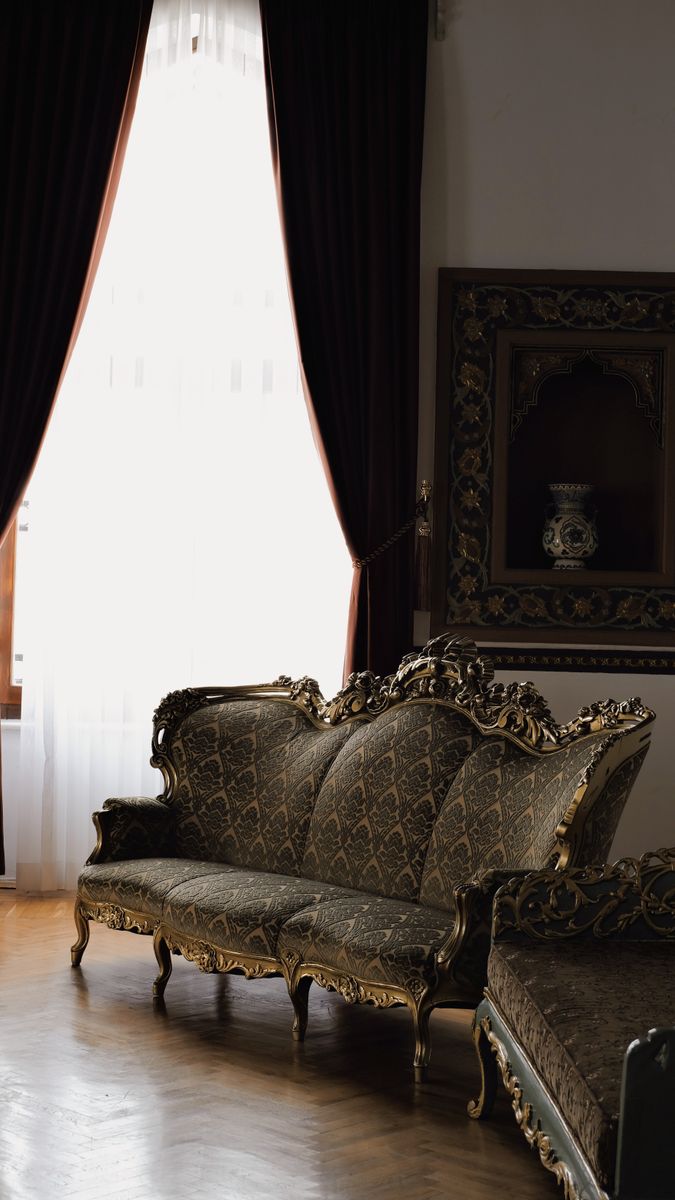
The formal living room occupies a strange place in American home design: a room that exists specifically to not be used most of the time. For generations of homeowners, it was a non-negotiable feature, a space that said something about the household even when it sat empty 360 days a year.
Gen Z, raised largely in open-concept homes or apartments where every square foot has to earn its keep, tends to find the whole concept a little baffling. Here’s what never quite computed.
1. Furniture Arranged for Looking, Not Talking
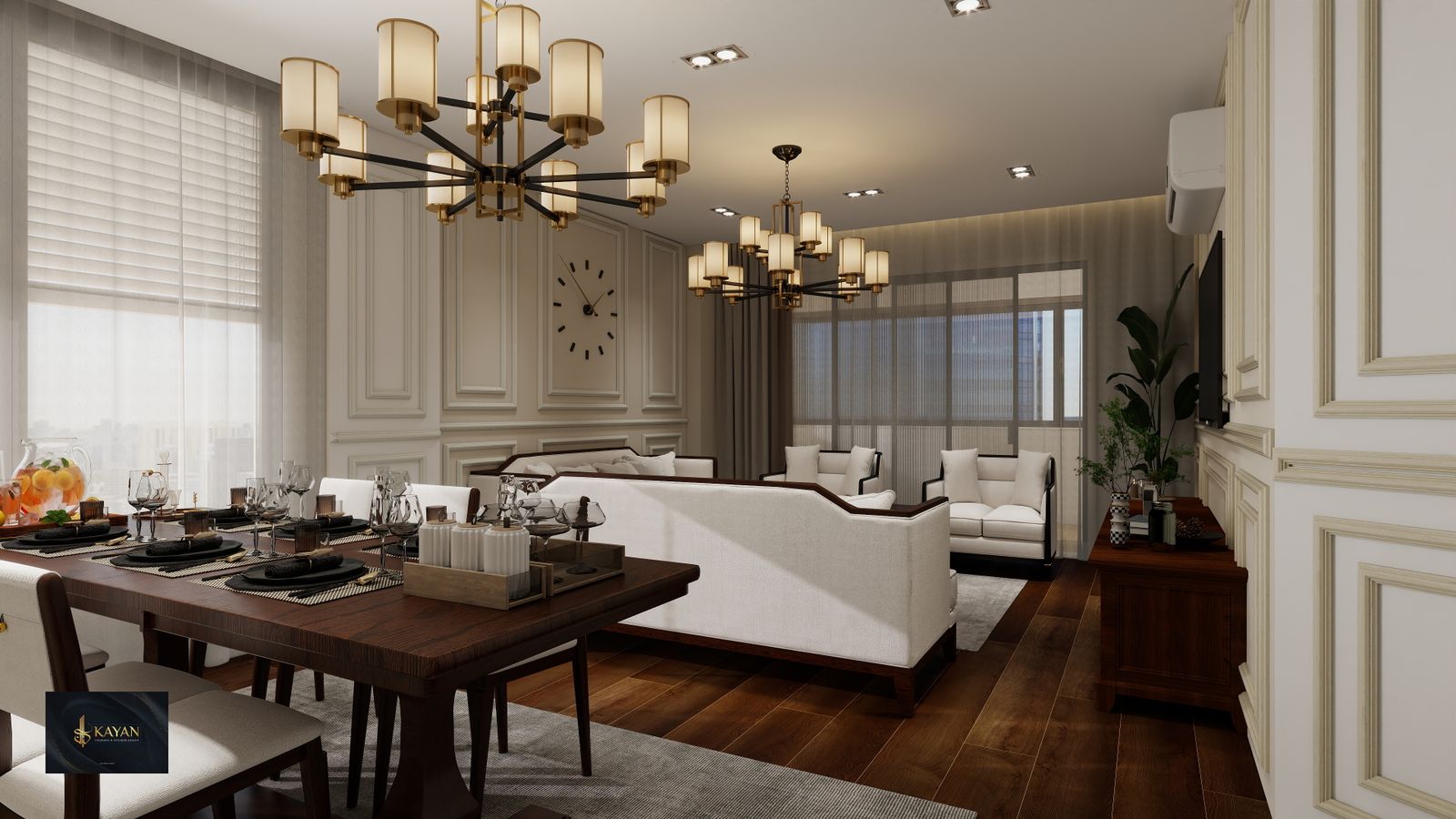
Chairs and a sofa are often positioned facing each other across a coffee table in a formal living room, but angled in a way that seems more about visual balance from the doorway than actual conversation. The room was designed to be seen first and sat in second, a priority that made sense when its main function was making a good impression on visitors. Gen Z, who generally furnish rooms around how people will actually use them, finds a seating arrangement optimized for appearance over comfort genuinely puzzling.
2. A Fireplace That’s Never Actually Lit
Many formal living rooms center around a fireplace that functions purely as a focal point — mantel decorated, screen in place, but the firebox itself untouched for years, sometimes decades. It anchors the room visually and historically signaled a certain kind of hearth-centered elegance. For a generation that associates fireplaces primarily with actual coziness, a fireplace that exists solely for decoration reads as a missed opportunity rather than a design feature.
3. A Piano No One in the House Plays
A baby grand or upright piano, positioned prominently and kept polished, is a fixture in a surprising number of formal living rooms, often outliving whichever family member originally took lessons on it by decades. It represented cultural aspiration and a certain image of a cultured household. Gen Z, encountering a large, immovable, rarely-touched instrument taking up a huge footprint of a room, mostly just sees square footage that could be doing something else.
4. A Room Kids and Pets Were Never Allowed In
The formal living room frequently doubled as off-limits territory, guarded against sticky hands, muddy paws, and general childhood chaos, with the good furniture and breakable objects living safely out of reach. As design outlets like interior design commentary on the format notes, this separation between a formal, presentable space and a lived-in family space was a defining feature of mid-to-late-20th-century home layouts. Gen Z, raised largely without that boundary in their own homes, sometimes struggles to picture growing up with an entire room permanently marked “do not enter.”
5. A Second, Rarely Used Phone Extension
Some formal living rooms included their own dedicated phone extension, a small nod to the idea that this room, too, needed to be functional for a hosting family even though it sat empty most days. It made sense in a household built entirely around a single shared landline system. For a generation whose phones live in their pockets, a wall-mounted extension in a room nobody sits in reads as a strange kind of redundancy.
6. A Living Room With No Television
Deliberately excluding a TV from the formal living room, saving the television for a separate den or family room, was a common way to preserve the space’s sense of formality and conversation-focused purpose. Gen Z, for whom a living room and a TV are practically synonymous, tends to find a completely TV-free living space one of the harder things to wrap their head around, especially when the room in question is often the largest in the house.
7. A Candy Dish That’s Never Actually Opened
A decorative glass or crystal dish filled with hard candies, often the same ones for months at a time, sits on a side table mostly as a finishing touch rather than an actual snack offering. It added a small welcoming gesture to a room that otherwise wasn’t meant for lingering. Gen Z, who tend to treat snacks as, well, snacks meant to be eaten, often can’t quite figure out whether the candy dish is for guests, decoration, or some unspoken combination of both that nobody ever explained.

Leave a Reply