

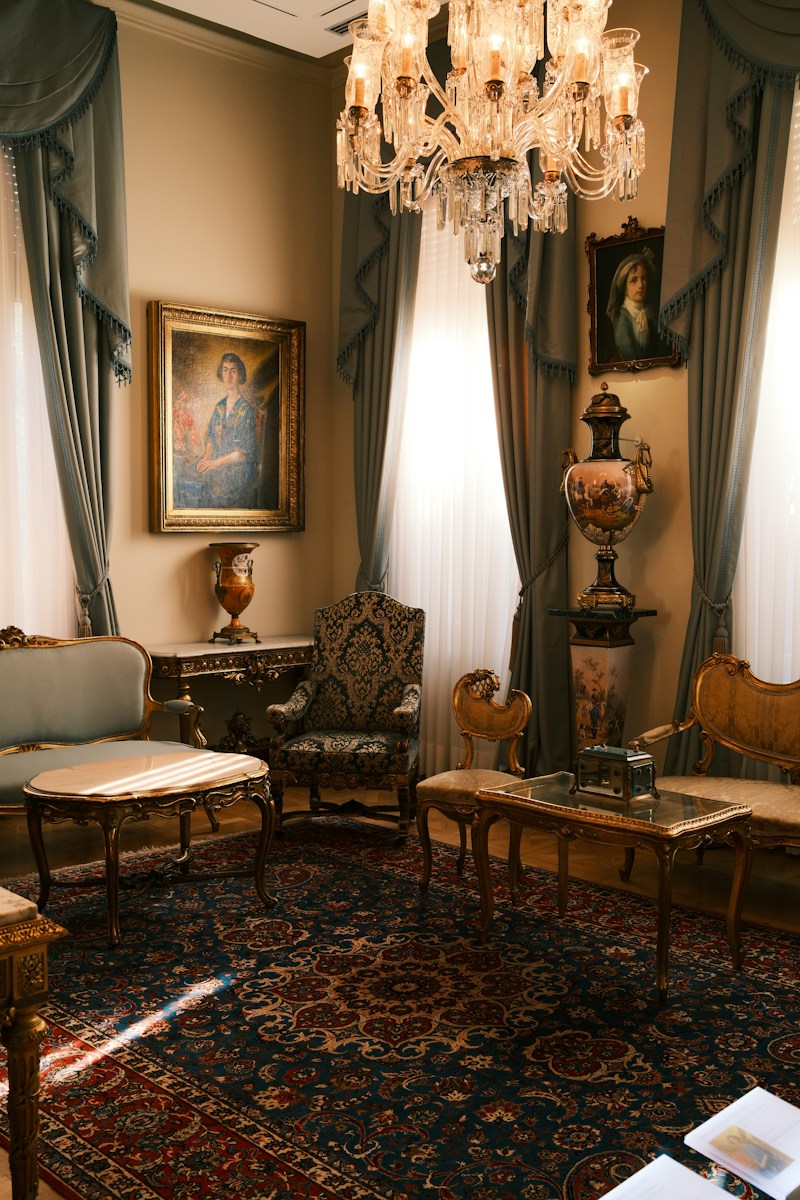
Of all the Boomer-era home traditions, the formal living room might be the hardest for Gen Z to wrap their heads around. An entire room, often the largest and best-lit in the house, reserved for a handful of occasions a year while everyone actually lives somewhere else.
It made a certain kind of sense in its time, tied to ideas about hospitality and status that have largely faded. Here are seven specific things about the formal living room that leave younger generations scratching their heads.
The Furniture Nobody Is Allowed to Sit On
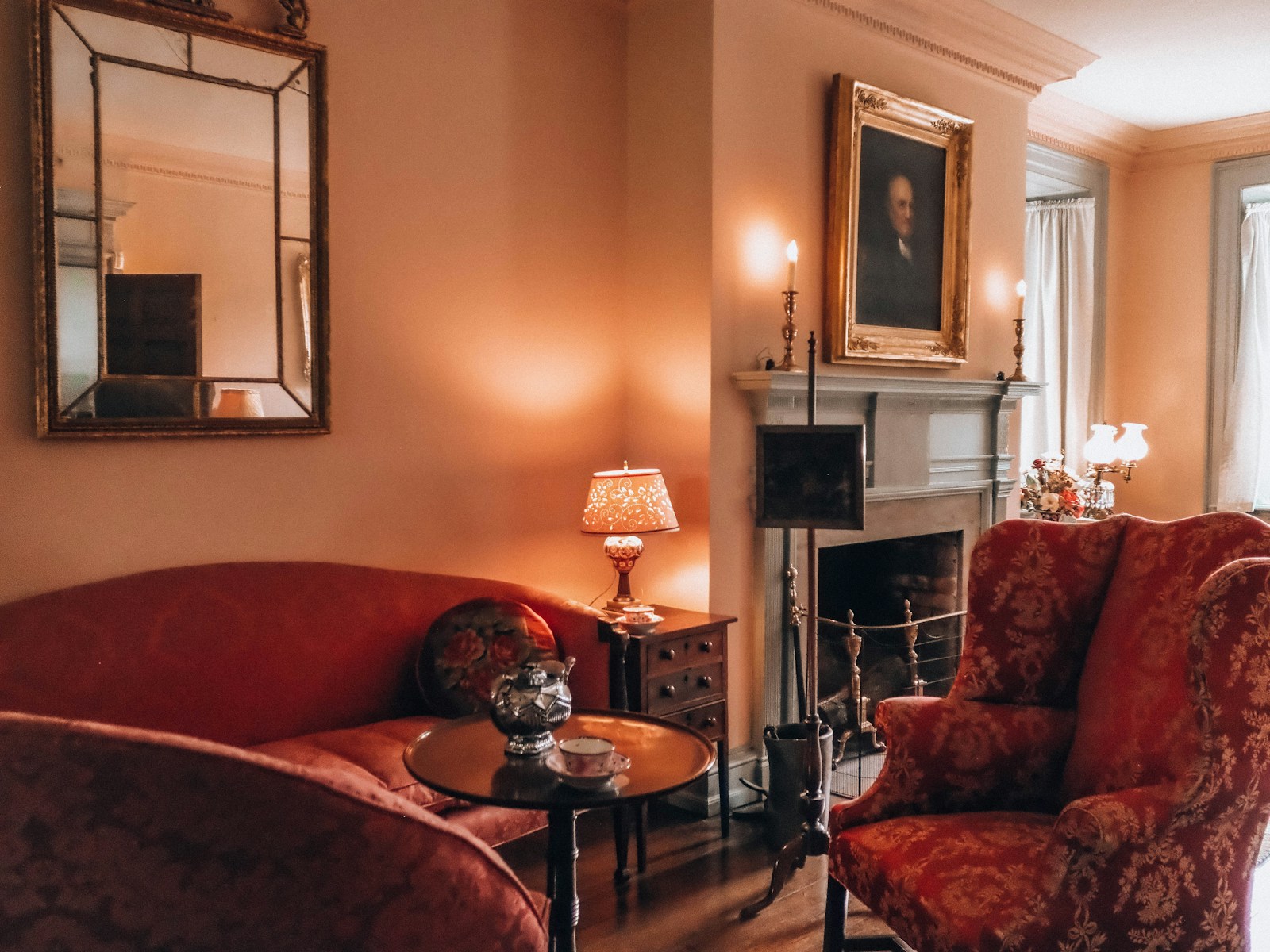
Stiff, often uncomfortable furniture, sometimes still covered in its original plastic, was placed in the formal living room specifically because it wasn’t meant for daily use. Comfort took a back seat to appearance. Gen Z, having grown up prioritizing comfortable, lived-in spaces, finds the entire premise of owning furniture you’re actively discouraged from using genuinely strange, regardless of how nice it looks sitting there.
Its Prime Location Near the Front Door
The formal living room was almost always positioned at the front of the house, the first room visitors saw when they walked in, deliberately staged to make a strong first impression. Meanwhile, the family’s actual daily life happened in a den or family room further back. Gen Z tends to see this as backwards, preferring to put their best, most-used space front and center rather than reserving it for guests.
How Rarely It Actually Got Used
For many families, the formal living room was opened up only for holidays, a visit from out-of-town relatives, or the occasional special guest, meaning it sat empty the overwhelming majority of the year. Given how much square footage and furniture budget it consumed, Gen Z generally sees this as an inefficient use of space, especially compared to today’s emphasis on multi-purpose rooms that earn their keep every day.
The Unspoken Rules Around It
Kids in many households grew up understanding, without ever being explicitly told, that the formal living room simply wasn’t a space for them, no snacks, no roughhousing, no lounging on the floor. It functioned almost like a museum exhibit within the home. Gen Z, raised with fewer rigid boundaries around shared living spaces, finds the idea of a kid-free zone inside your own house a hard concept to relate to.
Why It Mattered So Much for Entertaining
A well-appointed formal living room signaled that a household was prepared to host guests properly, reflecting a broader cultural emphasis on entertaining and presenting a put-together home. Designers have noted a broader shift away from rigid, single-purpose entertaining spaces toward layouts built around how families actually spend their time, which has made the formal living room feel increasingly optional.
The Specific Furniture It Usually Contained
A formal living room typically came with its own dedicated furniture set: a stiff sofa, a matching loveseat, perhaps a curio cabinet, all chosen to look elegant rather than to be comfortable for long stretches. It was furniture bought for display rather than daily function. Gen Z tends to buy furniture backward from that logic, prioritizing comfort first and treating visual polish as a secondary bonus.
Why So Many Have Quietly Disappeared
As open floor plans became the norm in new construction and renovations, the formal living room has largely vanished from newer homes, replaced by great rooms that combine living, dining, and kitchen space into one flexible area. Gen Z, having mostly grown up with or moved into homes built this way, often doesn’t have a formal living room to compare against, which is part of why the concept can feel like it belongs to an entirely different era of homeownership.

Leave a Reply