

Window treatments might be the single fastest way to date a room, faster even than paint color or furniture style. They’re also, conveniently, one of the easiest things to change — which is exactly why they top so many Gen Z moving-in to-do lists.
Every one of these choices solved a real problem in its day. Here’s why they’re usually the very first thing to come down.
1. Valances Perched Above Every Window
A short decorative fabric panel mounted across the top of a window, hiding the curtain rod and hardware underneath, was considered an essential finishing touch for decades, adding a tailored, complete look to an otherwise plain window. As Blinds.com’s history of window treatment trends notes, valances peaked in popularity alongside heavily layered, coordinated window setups. Gen Z’s minimalist instincts tend to skip the extra layer entirely, preferring a clean curtain rod or no rod at all over a fabric topper that adds visual clutter without doing much functional work.
2. Vertical Blinds on Sliding Glass Doors
Plastic vertical slats, rotating to open and close, were the default treatment for sliding glass doors and large windows throughout the 1980s and 1990s, chosen for being both practical and relatively affordable at scale. As HomeLight reports, they’ve become one of the most reliably dated window features in a home, prone to warping, yellowing, and making a distinctive clattering sound that instantly signals the room’s era.
3. Heavy, Floor-Length Floral Drapes
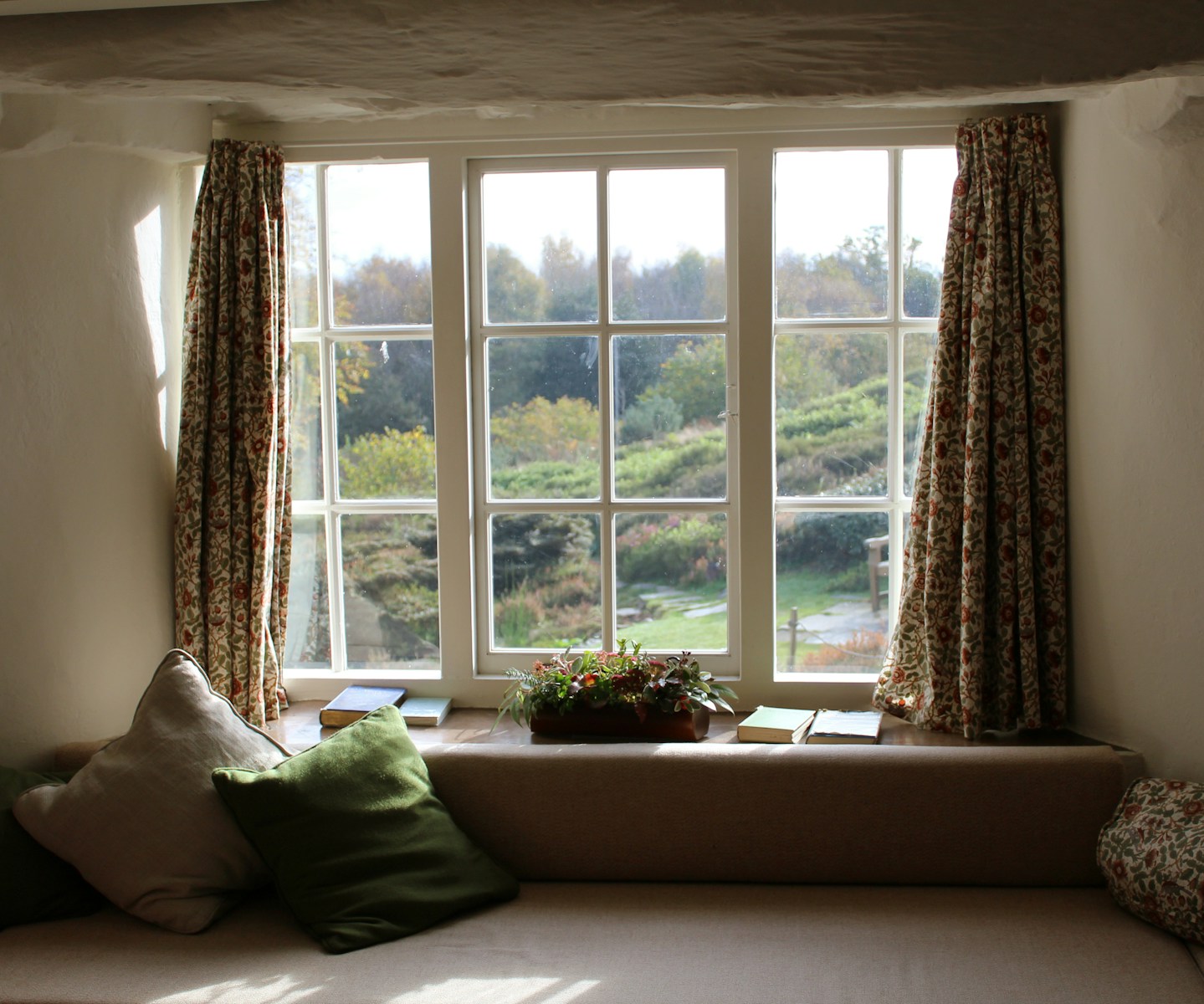
Thick, lined curtains in a large-scale floral print, pooling slightly on the floor, were the standard for formal rooms for decades, chosen to block light effectively and add a sense of luxury and permanence to a window. Gen Z’s preference for simple, sheer, or minimal window coverings makes a heavily patterned, floor-length drape one of the most immediately date-able elements in a room, especially when the print doesn’t match anything else in a home’s current style.
4. Delicate Lace Sheer Curtains
A single layer of white or ecru lace, hung close to the glass to let light filter through while maintaining privacy, was an extremely common treatment, especially in kitchens and dining rooms, valued for its softness and old-world charm. Gen Z tends to favor plain linen or cotton sheers instead, finding the intricate lace pattern reads as more grandmother’s kitchen than the airy, casual look they’re generally going for in a similar spot.
5. Swagged and Jaboted Curtain Arrangements
An elaborate treatment involving fabric draped and gathered across the top of a window in cascading folds, sometimes with additional side panels called jabots, represented serious commitment to a formal, traditional look and required real skill to install correctly. It’s a genuinely impressive bit of textile engineering. It’s also about as far from current minimalist window preferences as a treatment can get, which makes it one of the fastest items removed in any renovation.
6. Faux Wood Blinds in an Orange-Oak Stain
Wide horizontal blinds finished in a warm, orange-toned wood stain matched the honey oak trim and cabinetry common in homes built through the 1990s, creating a coordinated look throughout a house. Once that matching oak trim falls out of favor, the blinds tend to go with it, since their specific warm undertone clashes with the cooler, more neutral wood tones and white trim that define current window treatment preferences.
7. Curtain Tiebacks With Tassels and Fringe
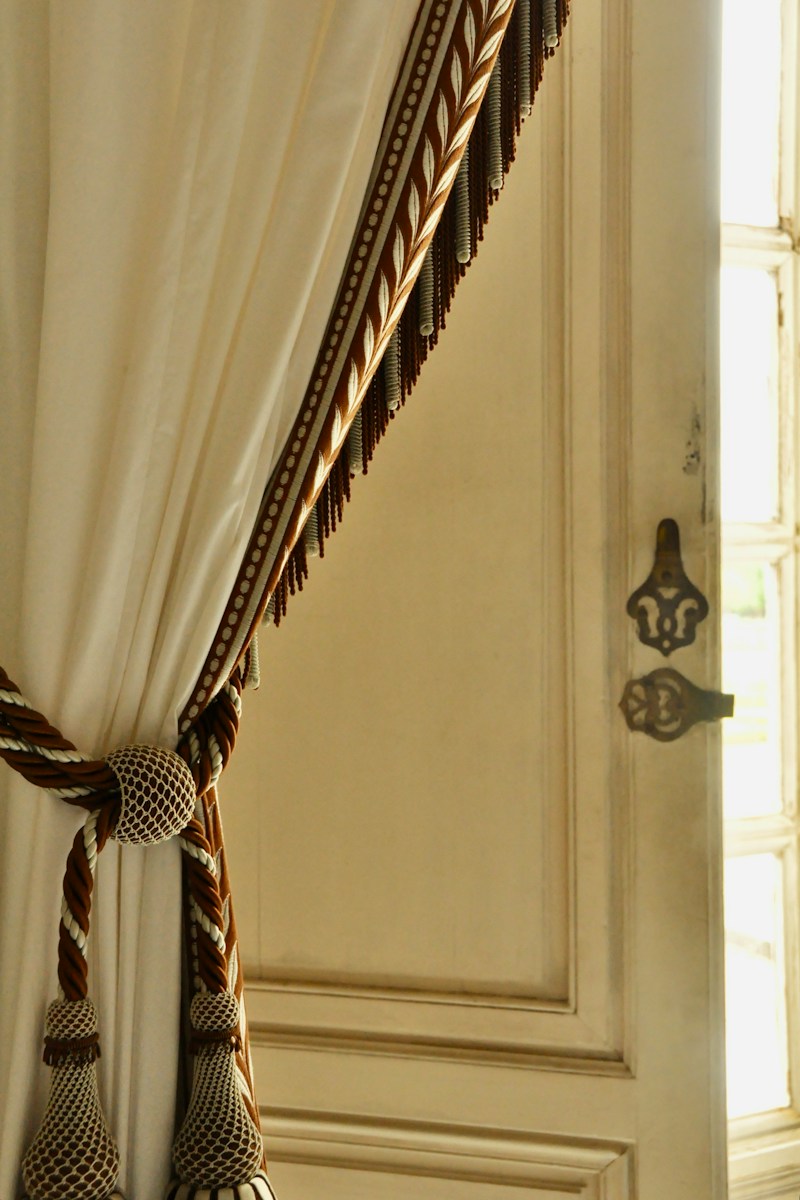
Decorative rope tiebacks, finished with tassels or fringe, were used to hold curtain panels open in an elegant, sculptural way, adding one more layer of formal detail to an already elaborate window setup. Gen Z’s simpler approach to curtains — often left hanging straight without any tieback at all, or held back with a plain fabric loop — makes tasseled tiebacks read as an unnecessary flourish rather than the finishing touch they were originally intended to be.

Leave a Reply