

Not every old-school home feature deserves the instant eye roll it gets online. Some of the choices Boomers made, while they look strange or excessive through a modern lens, actually solved real problems that a lot of Gen Z renters and buyers do not fully appreciate until they run into the same problem themselves.
Here are seven features that start out as punchlines and end up earning a little grudging respect once the reasoning behind them becomes clear.
The Formal Dining Room
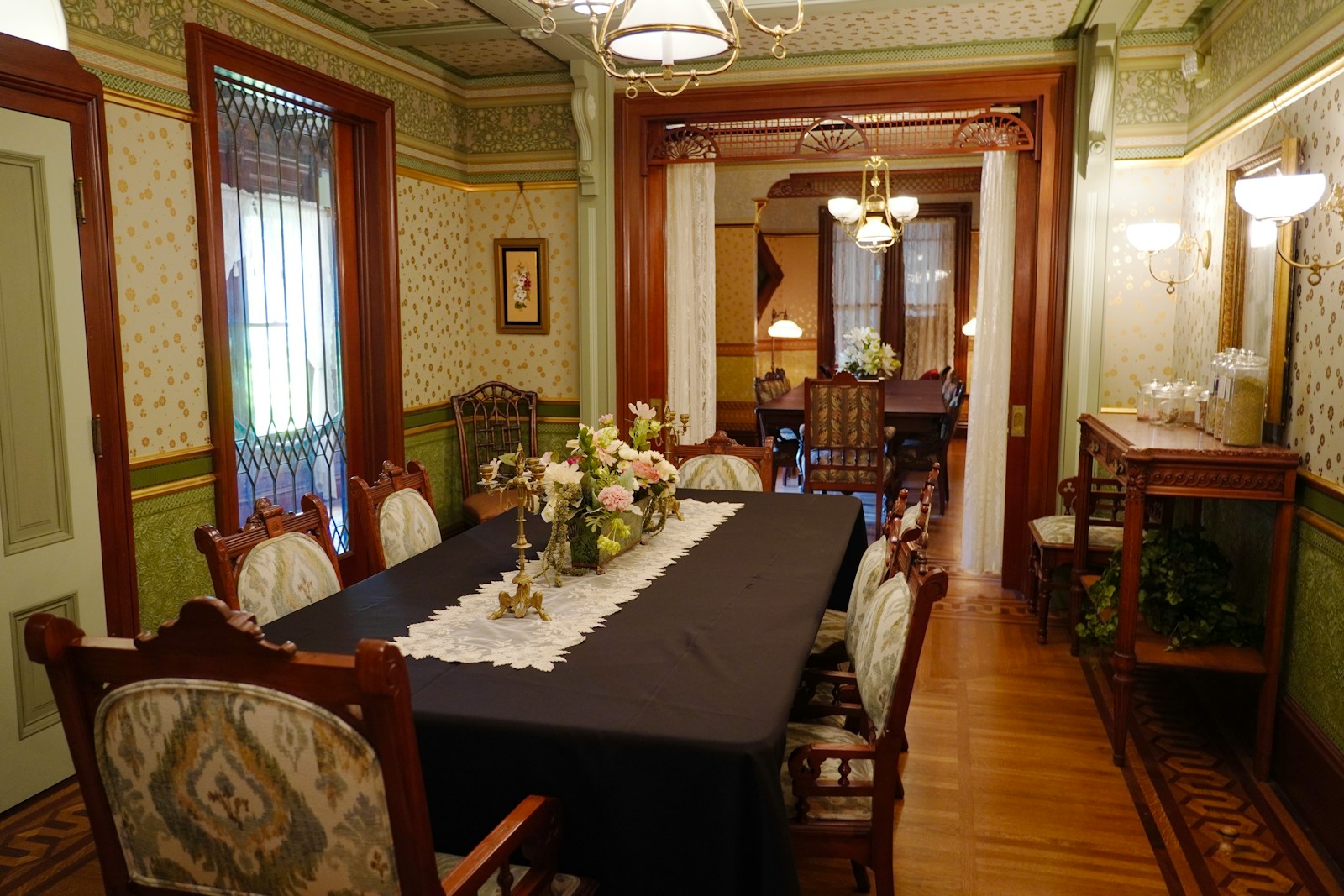
A separate, rarely used dining room seems like wasted square footage to a lot of Gen Z home shoppers, especially as new floor plans increasingly cut dining rooms entirely in favor of open, flexible layouts. But the reasoning behind the original design was fairly simple: a dedicated room meant holidays, dinner parties, and family gatherings did not have to compete with everyday clutter or a television left on. Once someone hosts their first real holiday dinner in a cramped studio apartment, the appeal of a quiet, food-focused room with no distractions starts to make a lot more sense, even if most people still would not want one full time.
Storm Windows and Doors
Bulky storm windows and doors look clunky compared to sleek modern double-pane glass, and a lot of younger homeowners assume they are simply outdated. In reality, they were an effective, affordable way to add an extra layer of insulation in older homes without replacing every window in the house. Anyone who has lived through a genuinely brutal winter in a drafty older rental starts to understand why Boomers were so committed to them. The aesthetic has not aged well, but the underlying logic, cheap insulation without a full renovation, still holds up, especially for anyone trying to keep heating costs manageable in an older building.
A Landline Phone Mounted on the Kitchen Wall
A corded phone bolted to the kitchen wall seems almost comically inconvenient to a generation that has never been without a cell phone in their pocket. But it solved a real problem: everyone in the house knew exactly where the phone was, it never needed charging, and it worked reliably during power outages that can knock out cell service or Wi-Fi calling. Anyone who has been stuck without a charged phone during a storm has a brief flicker of understanding for why a boring, always-there, always-working phone had genuine appeal, even if nobody is rushing to reinstall one.
A Deep Chest Freezer in the Garage
A second, oversized freezer taking up garage space looks excessive to someone used to grocery delivery apps and small households. But it made real sense for larger families buying in bulk to save money, or for anyone who gardened, hunted, or received meat shares and needed serious storage capacity. Gen Z households are generally smaller and shop more frequently in smaller batches, so the need feels less obvious at first. But even skeptics tend to come around once they start meal prepping seriously or buying in bulk themselves and realize the freezer in the fridge just is not built for that kind of volume.
A Sewing Room or Craft Corner
A dedicated room just for sewing or crafting looks like an indulgent use of space to someone renting a small apartment with barely enough room for a bed and a desk. But it reflected a genuinely practical skill set: mending clothes, making curtains, and creating gifts were regular household tasks, not occasional hobbies. As interest in crafting, mending, and slow fashion has grown again among younger people looking for lower-waste alternatives to fast fashion, the appeal of having an actual dedicated space for that work, rather than doing it on a kitchen table, starts to make a lot more sense than it initially seemed to.
Thick Wall-to-Wall Carpet in Every Room
Plush carpet covering an entire house, including bathrooms in some especially committed cases, reads as unhygienic and dated to a generation that generally prefers hard flooring. But wall-to-wall carpet’s rise was tied to genuinely practical benefits: it muffled noise between floors, kept rooms warmer, and was relatively affordable compared to hardwood at the time. Anyone living above noisy neighbors on hard flooring for the first time gets a quick education in why sound dampening mattered so much, even if the specific execution, carpet in the bathroom, is one detail that has aged particularly poorly.
A Front Porch With Actual Furniture on It
A furnished front porch, complete with a swing or rocking chairs, can look like an unnecessary extra room to someone used to apartment living with no outdoor space at all. But it served a real social function: it was where neighbors actually talked to each other, kids got called in for dinner, and evenings were spent outside without a phone. As interest in walkable neighborhoods and genuine community connection has grown again, especially among younger buyers who grew up more isolated online, the appeal of a porch built specifically for sitting and being visible to the street starts to look less old-fashioned and more like something worth bringing back.

Leave a Reply