

There’s a particular kind of frustration that comes from replacing the same appliance for the third time in a decade, especially when you remember your parents owning the exact same type of machine for what felt like your entire childhood and beyond. It’s not just a feeling — it reflects a real shift in how household goods are designed, manufactured, and marketed. Where products were once built with simple, repairable mechanisms meant to last a lifetime, many are now engineered around cost efficiency, added features, and shorter expected lifespans.
The result is a strange kind of progress: today’s versions are often smarter, quieter, and more energy-efficient, but they rarely stick around as long as the models they replaced. Here are six household items that used to reliably last three decades and now often struggle to make it past a handful of years.
Washing Machines
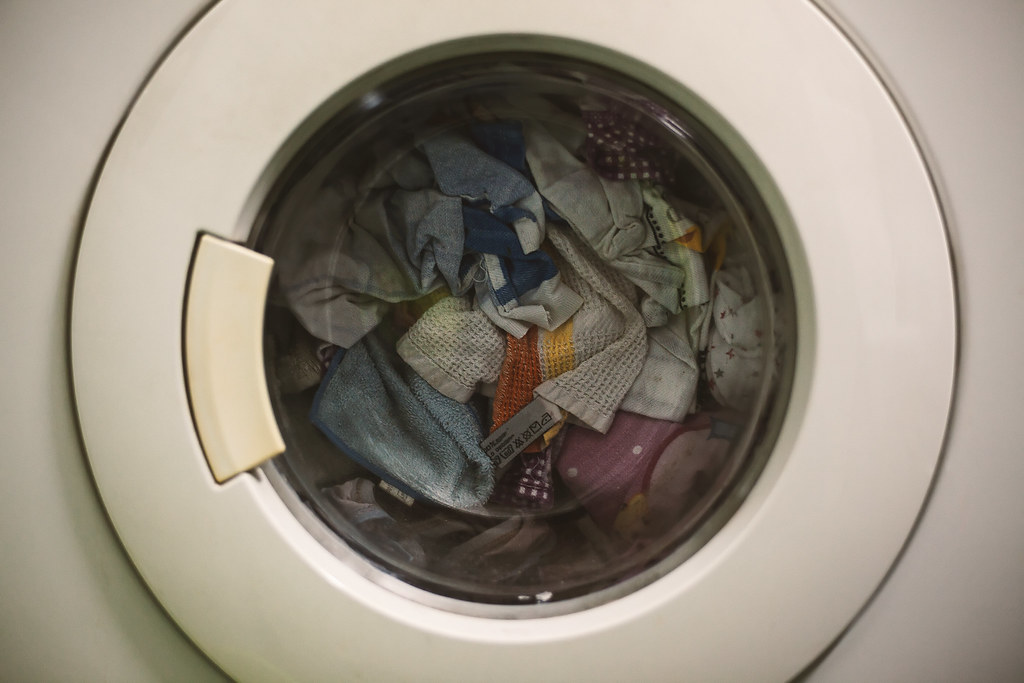
A washing machine bought in the 1960s or ’70s, especially the simple top-loading agitator style, was often still running thirty years later with nothing more than an occasional belt or hose replacement. These machines used straightforward mechanical timers and motors that a local appliance repairman could service easily and affordably for decades. Today’s washing machines, packed with electronic control boards, sensors, and complex components meant to save water and energy, are commonly expected to last somewhere between eight and twelve years before a major failure occurs. When something does go wrong now, the repair often costs nearly as much as buying a new machine, since specialized electronic parts are far more expensive than a simple mechanical belt ever was. What used to be a once-in-a-generation purchase has become a recurring expense every decade or so.
Refrigerators
Refrigerators from decades past were famous for their longevity, often running continuously for thirty to forty years with only a gasket replacement or an occasional compressor repair. Their simpler cooling systems had fewer components that could fail, and the compressors themselves were frequently over-built compared to what’s used in modern units. Contemporary refrigerators, loaded with digital displays, ice makers, and energy-efficient compressors, typically have an expected lifespan closer to ten to fifteen years, sometimes less. Many homeowners now report needing costly repairs or full replacements well within a decade of purchase, especially once electronic control boards start failing. Even as today’s models use dramatically less electricity than their older counterparts, that efficiency has often come at the cost of the sheer mechanical simplicity that made older refrigerators so durable.
Television Sets
Old console televisions, built around vacuum tubes and later simple circuit boards, frequently stayed in service for twenty or thirty years, repaired along the way by a local TV technician when a tube burned out. Their bulky cathode-ray tube technology was mechanically simple compared to what came later, which made most failures fixable rather than fatal to the whole unit. Modern flat-screen televisions, despite dramatically better picture quality, are commonly expected to last somewhere between seven and ten years before a backlight, panel, or board issue renders them impractical to repair. Replacement parts for a specific TV model are often discontinued within just a few years of that model going out of production. What was once a single major purchase for a household has become something many families now expect to replace multiple times over the same span of decades.
Vacuum Cleaners
Heavy metal-bodied vacuum cleaners from decades ago were designed with accessible, replaceable parts and simple motors that a repair shop could service for twenty or thirty years without much difficulty. These machines were built to be maintained rather than discarded, with belts, bags, and hoses sold individually for exactly this purpose. Many modern vacuums, particularly lightweight cordless and bagless models, are built with sealed components, plastic housings, and rechargeable batteries that degrade over time and often cannot be replaced separately. It’s now common for a vacuum to need replacing within five to seven years, especially once the battery no longer holds a useful charge or a motor burns out. The trade-off has been convenience and portability in exchange for a dramatically shorter working life compared to the vacuums of previous generations.
Toasters and Toaster Ovens
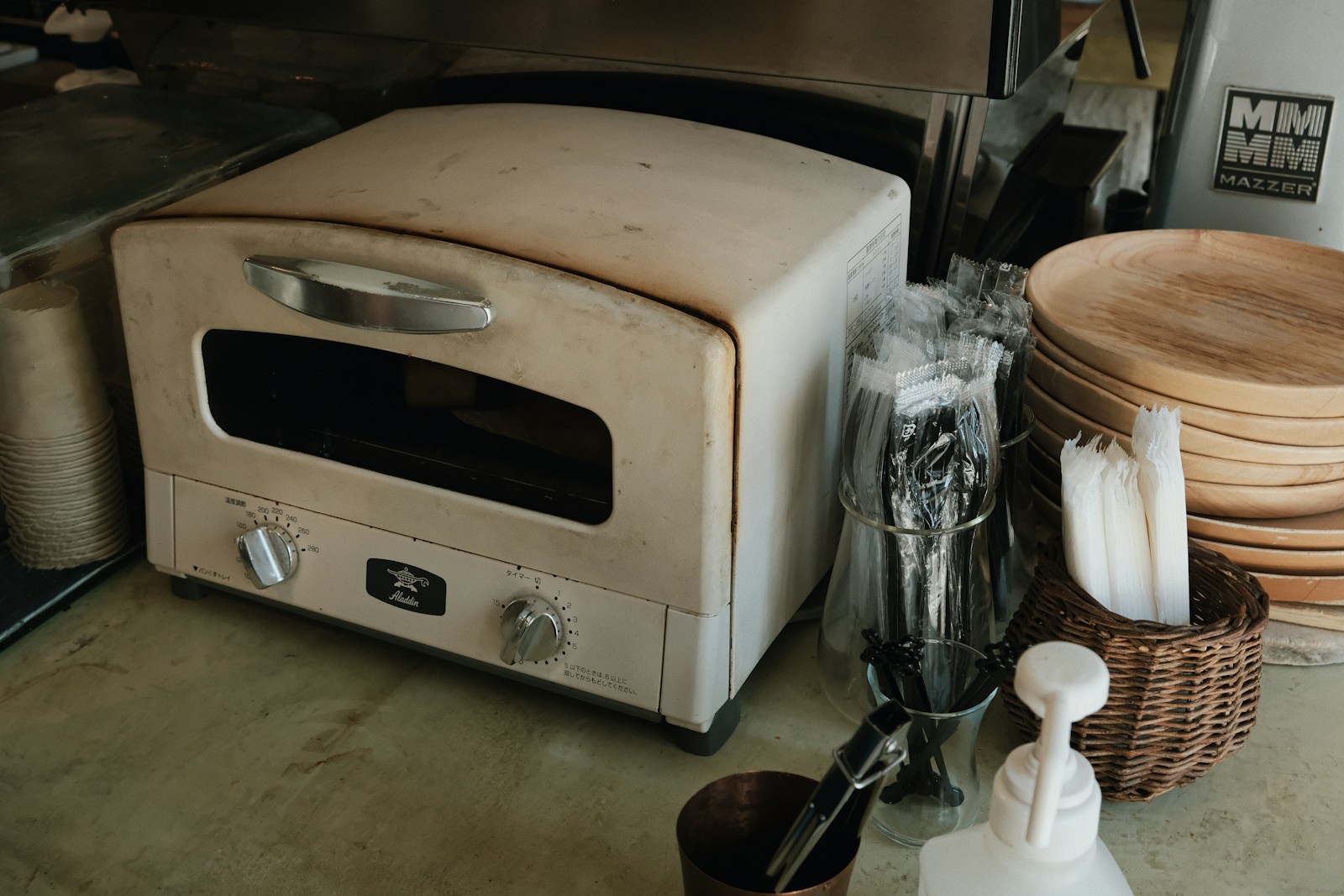
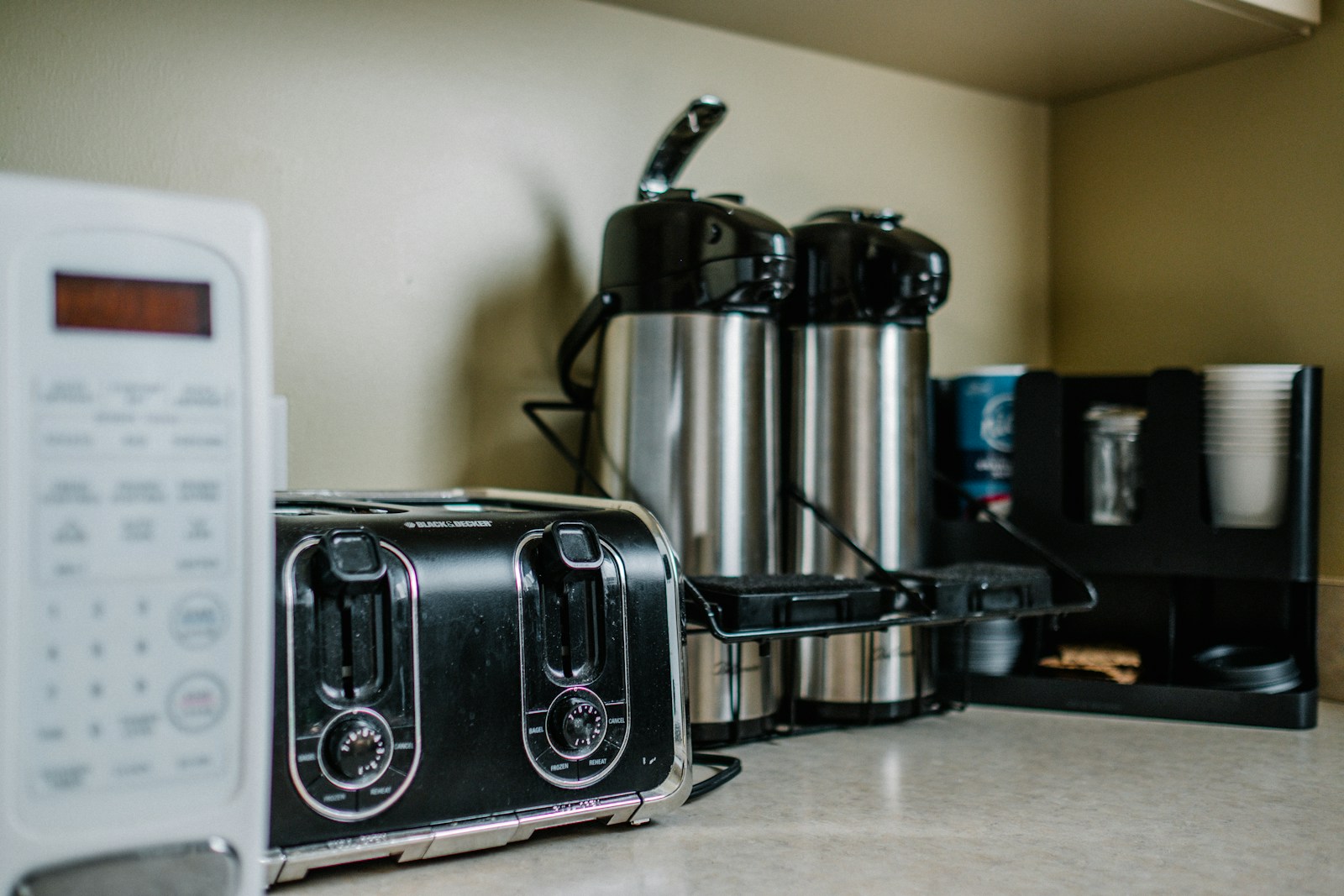
The heavy chrome toasters common in kitchens decades ago were mechanically simple enough to survive daily use for twenty, thirty, or more years, typically failing only when a cord frayed or a spring wore out, both easy fixes. Their thick heating elements and basic mechanical timers had few points of failure compared to today’s models. Many current toasters and toaster ovens incorporate more delicate electronic components, thinner metal housings, and sealed designs that make repair impractical even when a minor part fails. Consumer reports and repair professionals alike note that a modern toaster commonly lasts somewhere between two and five years before it needs replacing entirely. What was once considered a virtually indestructible small appliance has become one of the more frequently replaced items in a modern kitchen.
Dishwashers
Older dishwashers, introduced widely into American homes starting in the 1950s and ’60s, were built with simple mechanical timers, straightforward pumps, and heavy stainless or enamel-coated interiors designed to withstand decades of hot water and detergent exposure. Many ran reliably for twenty-five to thirty years with only minor part replacements along the way. Modern dishwashers, despite being quieter and more water-efficient, rely heavily on electronic control panels, sensors, and plastic components that are more prone to failure and often more expensive to repair than to replace. Industry estimates now commonly put a dishwasher’s expected lifespan at around ten years, sometimes less depending on usage and water quality. The shift toward energy efficiency and quieter operation has, in many cases, traded away the sheer mechanical resilience that let older dishwashers run for a generation or more.

Leave a Reply