

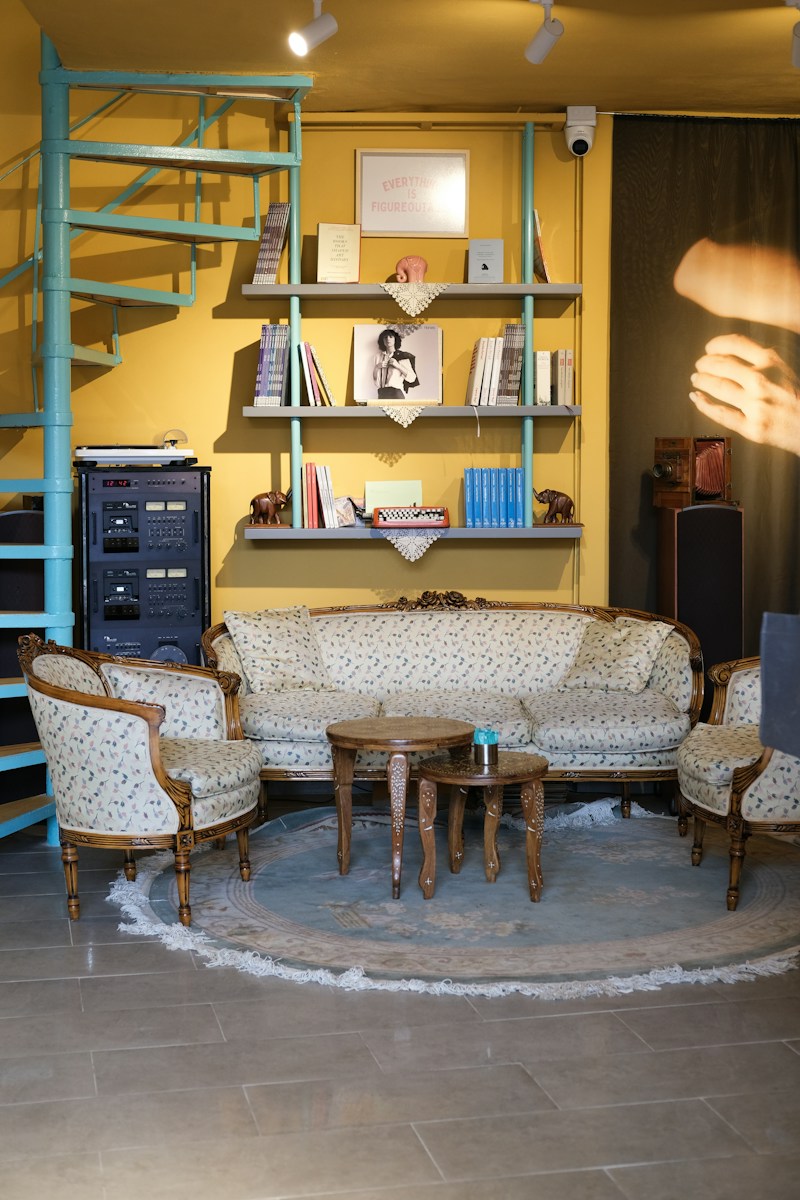
If there’s one image that instantly signals a certain kind of Boomer household, it’s the crinkle of plastic underneath you the second you sit down. Protecting furniture wasn’t an occasional habit, it was practically a philosophy, and it extended well past the couch into corners of the house Gen Z would never think to plastic-wrap.
As Home & Texture explores in its look at the cultural legacy of plastic covers, the habit was less about being precious and more about protecting a genuinely significant investment for households that didn’t replace furniture often. Here are six things Boomers wrapped in plastic that leave Gen Z speechless.
The Good Couch
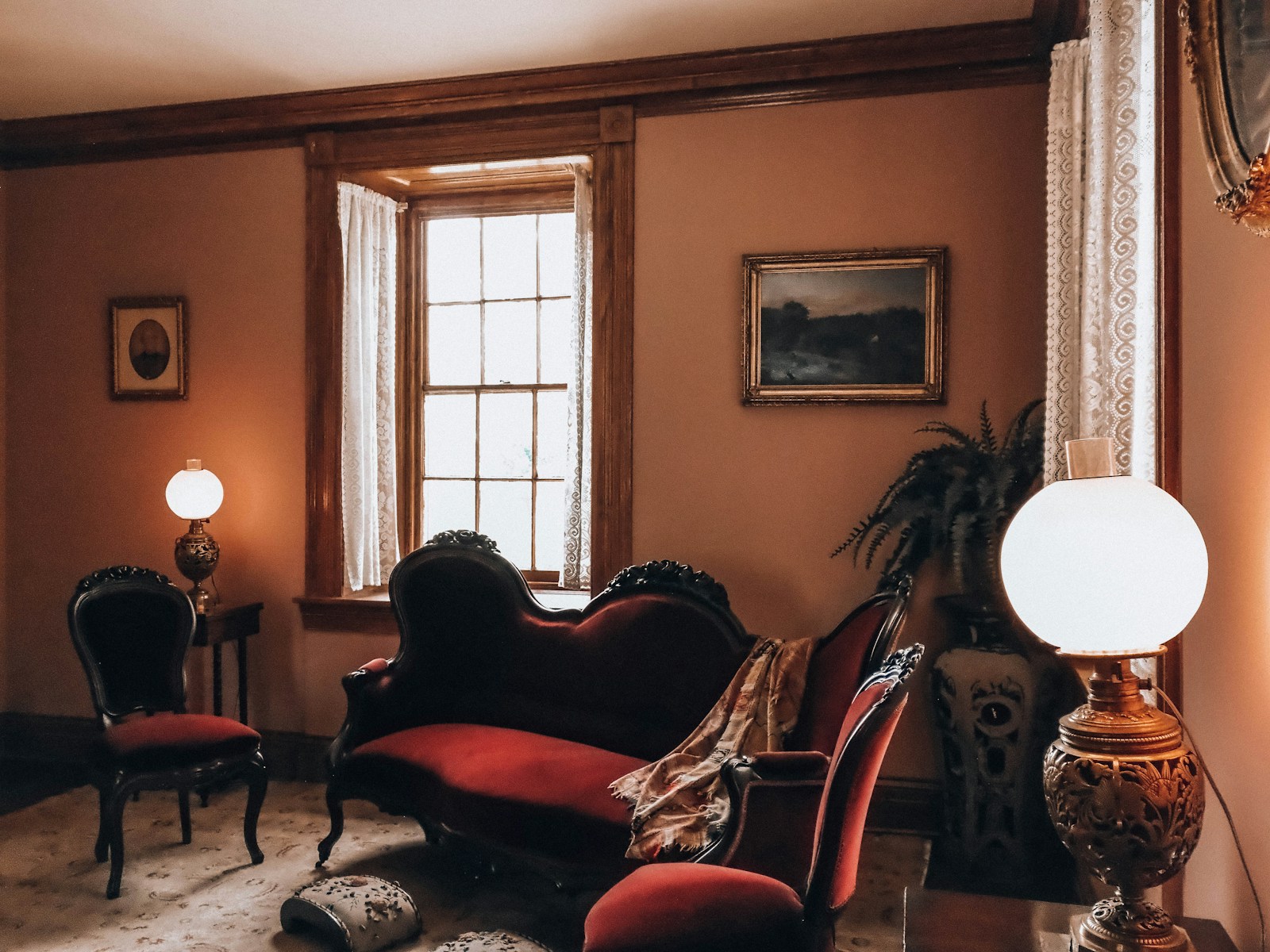
The single most iconic example: a brand-new sofa, still wrapped in the thick vinyl it came protected in, left that way indefinitely rather than removed after the first few weeks. Sitting on it meant sticking to it in summer and freezing against it in winter, a tradeoff Boomers considered entirely worth it. Gen Z, who treats a couch as something meant to be lived on immediately, sees this as choosing the appearance of a sofa over the actual comfort of owning one.
Lampshades
Beyond furniture, some households extended the plastic treatment to lampshades, keeping the protective film the shade shipped in intact for years after purchase to prevent dust and yellowing from sun exposure. It kept the shade looking technically new indefinitely. Gen Z finds this one particularly baffling, since a lampshade’s whole function is to soften and diffuse light, something a layer of factory plastic actively works against every single time the lamp gets turned on.
The TV Remote
Some households slipped the television remote into its own small plastic sleeve or bag, protecting it from sticky fingers, dropped food, and general wear in a way that let it last for years without a single scuffed button. It reflected the same instinct as covering the couch: protect what you paid for. Gen Z, who replaces phones and electronics far more frequently and casually, doesn’t extend the same protective instinct to a device that costs relatively little to replace outright.
Clear Plastic Runners Over the Carpet
In high-traffic hallways and entryways, some Boomer households laid clear plastic carpet runners directly over the actual carpet, protecting the more expensive flooring underneath from shoes, spills, and general wear on the paths people walked most. It worked, but it also meant walking across a slightly crinkly, slippery surface every single day. Gen Z would rather deal with eventual wear on a rug than walk across a hallway that sounds like unwrapping a present every time someone crosses it.
Mattress and Box Spring Covers
Long before waterproof mattress protectors became a standard bedroom item everyone buys, some Boomers wrapped an entire mattress and box spring in heavy plastic sheeting, protecting the investment from spills, dust, and general aging. The tradeoff was a noisy, less breathable surface to actually sleep on every night. Gen Z’s modern mattress protectors accomplish the same protective goal with a fitted, quiet fabric layer, making the older all-plastic wrap approach feel like solving a real problem in the least comfortable way possible.
Recliner Armrests
Because armrests take the most direct wear from hands, some households added small plastic covers specifically over just the arms of a favorite recliner, protecting the fabric from oils and daily contact without covering the entire chair. It was a targeted, practical compromise between full protection and some level of comfort. Gen Z still finds the idea strange on principle, arguing that a chair meant for relaxing shouldn’t require a partial plastic shell just to keep its arms looking presentable.

Leave a Reply