


Some habits disappear with a bang — a product gets discontinued, a law changes, a trend dies overnight. But most of the quiet rituals that used to structure home life didn’t end that way at all. They just slowly stopped happening, one busy week at a time, until an entire generation grew up without ever knowing they’d existed. Nobody decided to stop sitting on the porch in the evening or writing letters to distant relatives. It just got easier not to, and then one day it was simply gone.
Looking back at these six vanished habits isn’t really about blaming anyone for how life sped up. It’s more of an invitation to notice what got lost along the way, and maybe bring a little of it back on purpose this time.
Sunday Family Dinners
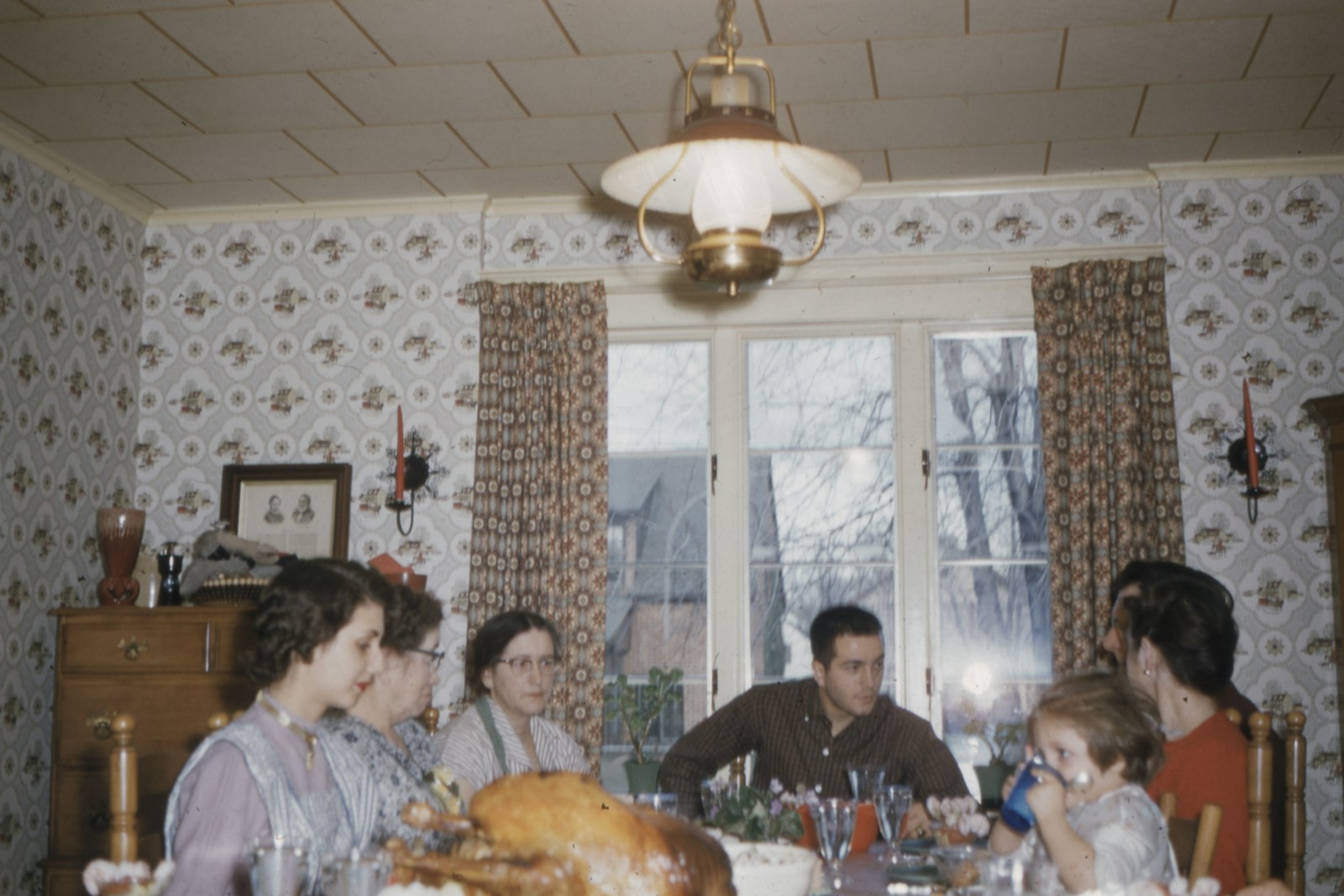
For most of the twentieth century, Sunday dinner was a fixed point on the household calendar, a meal that took hours to prepare and was eaten together at a set table, often with extended family folded in without much advance planning. It wasn’t a special occasion so much as a weekly obligation everyone understood and largely looked forward to, complete with a specific tablecloth, a roast or a ham, and a rotation of side dishes nobody needed a recipe for anymore. As work schedules stretched into weekends and families scattered farther from each other geographically, that fixed weekly gathering quietly eroded into something closer to an occasional event reserved for holidays. Nobody made a decision to stop; the calendar simply filled up with other obligations until the standing appointment slipped away, taking with it a built-in weekly check-in that most families now have to schedule deliberately if they want it back at all.
Sitting on the Front Porch
Front porches used to function as a household’s social hub, a place to sit after dinner, watch the street, and talk to whoever happened to walk by, all without any real plan beyond being outside in the evening air. Air conditioning changed that calculus almost overnight, giving households a cooler and more private alternative that pulled evening life indoors and behind a television screen instead. Suburban development patterns also played a role, as porches got smaller or disappeared from home designs altogether in favor of backyard patios oriented away from the street and toward privacy. The porch swing and the rocking chair, once genuinely load-bearing pieces of a neighborhood’s social infrastructure, became more decorative than functional. The resurgence of front-porch culture in newer neotraditional neighborhoods suggests plenty of people miss exactly what got traded away for climate control and privacy.
Writing Letters
Long-distance phone calls used to be expensive enough that a handwritten letter was the default way to stay in touch with family and friends who lived more than a short drive away, and the ritual of writing, addressing, stamping, and mailing a letter was simply part of ordinary household life. Stationery sets were common gifts, and a household might keep a specific drawer stocked with envelopes, stamps, and good pens just for this purpose. The arrival of a letter was an event in itself, checked for at the mailbox with real anticipation that a text message or email notification can’t quite replicate. As phone calls got cheaper and then essentially free, and email and texting replaced the need for physical mail entirely, the habit of sitting down to compose a proper letter faded out almost without anyone marking the moment it stopped being normal.
Line-Drying Laundry
A clothesline stretched across the backyard, strung between two poles or a tree and a porch post, was standard equipment in most households well into the middle of the twentieth century, and hanging laundry out to dry was simply what you did on a clear day. It saved on electricity, left clothes smelling distinctly of fresh air, and gave sheets and towels a crispness that a dryer never quite replicates. As electric and gas dryers became affordable and increasingly standard in new home construction, the clothesline slowly disappeared from backyards, helped along in some neighborhoods by homeowners’ association rules that banned visible laundry lines outright as unsightly. The habit persists in pockets, particularly among energy-conscious households and in regions with reliable sun, but for most Americans, the sight of a full clothesline has become a rarity worth a second look rather than an unremarkable Tuesday chore.
Family Game Night
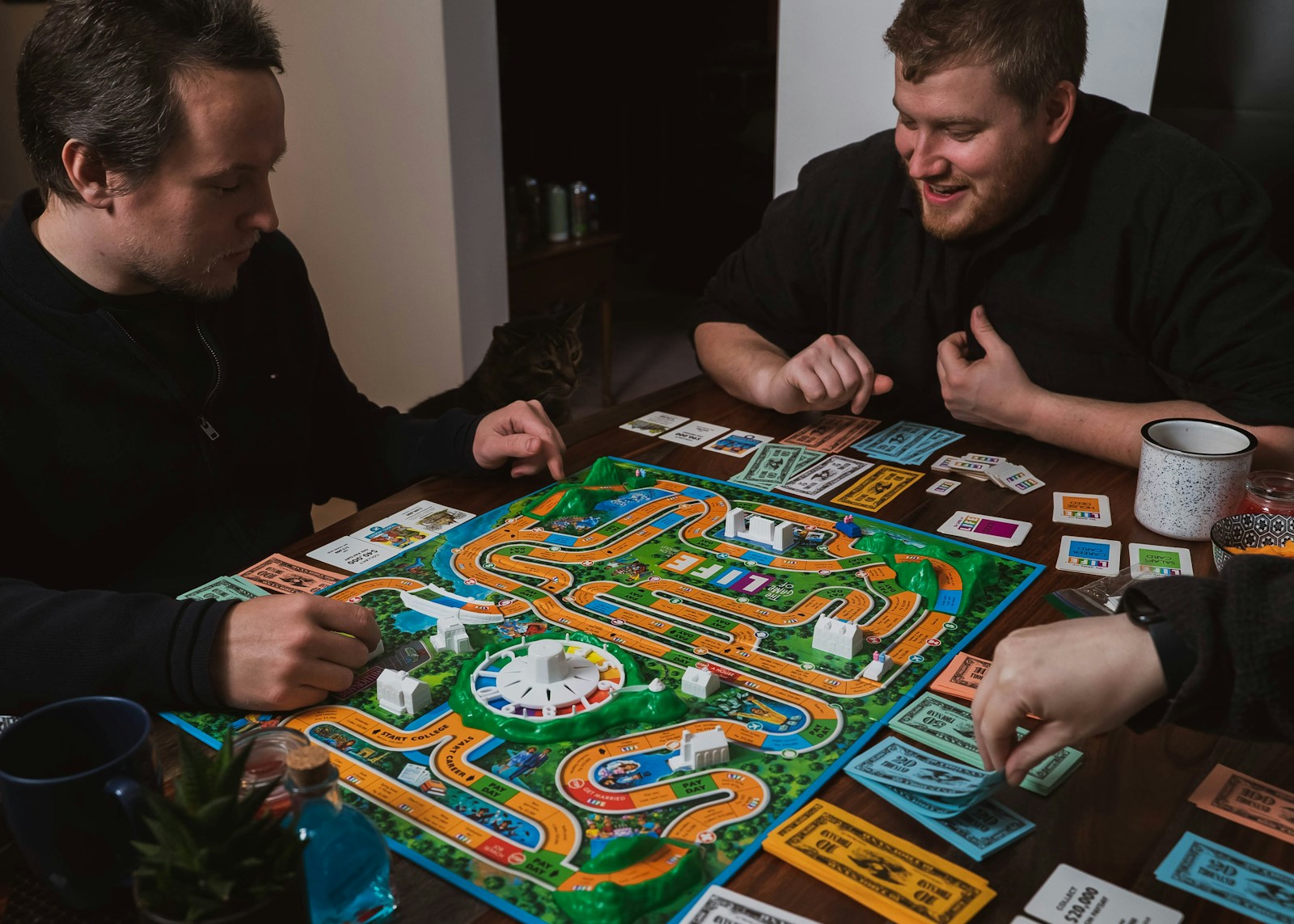
Board games, card games, and dominoes used to fill ordinary evenings without any special occasion attached, pulled out of a hall closet after dinner simply because the television had three channels and none of them were on yet, or because that’s just what a family did together. A well-worn deck of cards or a Monopoly board with a taped-up box lid was a genuine household fixture, played often enough that everyone knew the house rules by heart. As television expanded, then home computers and eventually individual screens for every family member arrived, that shared evening activity splintered into separate rooms and separate entertainment, each person absorbed in their own device rather than gathered around a shared table. Game night has made something of a comeback as an intentional, scheduled activity, but it’s telling that it now needs to be scheduled at all, when it used to simply be what evenings were for.
Polishing Silver and Shoes
A tin of shoe polish and a soft brush sat by the back door in most households, and polishing the family’s shoes before church or a Monday morning was a routine chore, often assigned to children as one of their first responsibilities. Silverware, too, got a regular polishing to keep tarnish at bay, whether it was fine sterling saved for holidays or the everyday flatware used at dinner, because a dull, tarnished set reflected poorly on the household’s standards. These small maintenance rituals reflected a broader expectation that belongings should be cared for and made to last, rather than replaced once they started looking worn. As sneakers replaced polished leather shoes for daily wear and stainless steel flatware replaced silver in most kitchens, both rituals quietly lost their reason for existing, taking with them a small but meaningful daily habit of tending to one’s own things.

Leave a Reply