

Back in the day, dropping spare change into a glass jar on the kitchen counter just felt right. My mom had an old Planters peanut tin, and every time it started to rattle, I’d know it was treat money—maybe for a matinee or a trip to Woolworth’s for penny candy. But what if those coins hiding in your junk drawer or coffee canister are worth more than their face value? Here are six spare change details that could turn ordinary coins into real money—the kind that might surprise your grandkids or buy you a few dinners out.
Wheat Pennies (1909–1958)
Who else remembers sifting through Dad’s loose change and spotting those wheat stalks on the back of a penny? Wheat pennies were everywhere during my childhood in the ‘60s, but these days, collectors will pay attention—especially for rarer years or coins in good condition. Some can fetch anywhere from 15 cents to a few dollars each, with rare dates jumping much higher. If you’ve still got a small handful stashed away for nostalgia’s sake, it might be time to dust them off and see if you’re holding a mini treasure. I’d say keep a few for memory’s sake, but let the rest go!
Silver Quarters and Dimes (Pre-1965)
My grandmother always insisted her change purse was heavier for a reason—those old quarters and dimes from before 1965 were made of real silver. These coins blend right in with the rest, but they’re worth far more than 25 or 10 cents. A single silver quarter often sells for $4–$6 based on silver prices, and dimes aren’t far behind. Sifting through your coin stash for dates before 1965 might just yield a little windfall. Unless you’re attached for sentimental reasons, I recommend cashing them in while silver’s still hot.
Bicentennial Quarters (1976)
It felt like every cashier handed these out the summer of ‘76, with their patriotic drummer boy on the back. Everyone seemed to hang onto a couple as souvenirs, tucked away “just in case.” Most are only worth face value, but those in pristine condition or special silver editions can sell for $5 or more. If you’ve got a stash that never made it into circulation, check their condition—some have become surprisingly collectible. I’ve kept one for old times’ sake, but you won’t catch me hoarding a whole roll.
State Quarters (1999–2008)
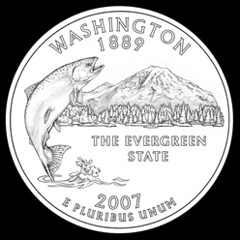
Remember the frenzy when each new state quarter came out? My kids and I would rush to the bank, hunting for Delaware or Montana to fill out those blue collector maps. While most are still only worth their 25 cents, certain mint errors and uncirculated sets can fetch $1–$20 apiece from die-hard collectors. If you can’t bear to part with your full set, at least look for pristine or oddball coins that might be worth more than you think. Otherwise, enjoy the memories—they’re priceless.
Buffalo Nickels (1913–1938)
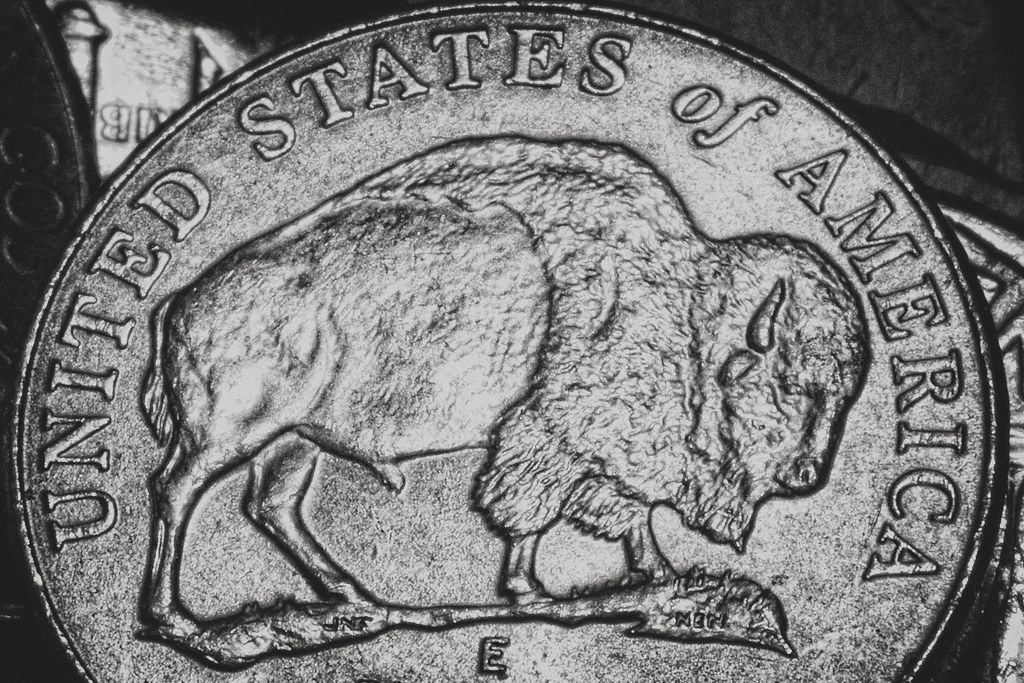
Buffalo nickels always stood out—rough edges, bold designs, and that noble Native American profile. My father would pass them across the table just to see if I noticed. Today, even worn examples can bring 50 cents to a few dollars, while rare dates easily soar much higher. If you find one in the back of a desk drawer, don’t toss it in with the parking meter change. These coins are a slice of American history and, depending on the date and condition, could fund a nice dinner-for-two.
Proof Sets and Mint Sets
If you ever received a velvet-lined case of shiny coins for a graduation gift, you might have a proof or mint set. My aunt gave me one in the ‘80s—it was too pretty to spend, so it sat untouched for decades. Depending on the year and rarity, some sets are now worth $10–$50 (or more for older or low-mintage years). Double-check those sets in your keepsake box before you let the grandkids play with them—they might be more than pretty trinkets after all.
All those jars and tins of spare change aren’t just clutter—they might hold bits of hidden value, both sentimental and real. Before you cash in your coins for a latte, take a closer look. You never know if your next handful is just pocket change—or a little piece of family fortune.
More from Vinyl and Velvet:

Leave a Reply