

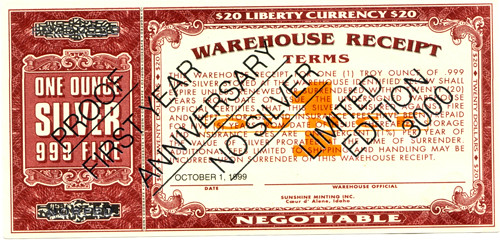
Spring cleaning always gets me digging through old drawers, closets, and that kitchen “junk” basket we all secretly have. But before you toss those faded bills in the trash, take a minute—some of those so-called worthless pieces of paper might just buy you dinner out these days. I learned this the hard way after accidentally pitching a $2 bill from the 1950s! Here are five old bills you should check before sending them on their way to the landfill. You never know—nostalgia might just pay off.
$2 Bills (Especially Pre-1976)
My grandmother always tucked away $2 bills, convinced they brought good luck. Back in the day, these oddballs were rare in wallets and registers—they just felt special. If you come across one printed before 1976, don’t spend it at face value. Some older $2 bills, especially those with red or blue seals, can fetch anywhere from $10 to $50 from collectors, depending on condition and series. Even modern $2 bills can be worth a tad more than face if crisp and uncirculated. I’ll admit, I keep a couple in my jewelry box—just in case those stories about luck are true!
Silver Certificates
Remember those bills with the words “Silver Certificate” across the top? My parents used to say you could take one to the bank and get real silver. Issued between the late 1800s and 1960s, most folks have stumbled across a $1 silver certificate in an old wallet or as “tooth fairy money.” While most common ones are only worth a few bucks over face value, some rare years or crisp bills can go for $20 to $50. Before you spend or toss these, check the date and the seal color. Some folks frame them as conversation starters—I keep mine tucked between family photos.
Red Seal $5 and $10 Notes
Nothing takes me back like finding a red seal $5 in a birthday card from the ‘60s or ‘70s, sent by a great-aunt who thought it was the height of generosity. The red seals make these bills stand out from the typical greenbacks. While many are only worth $7 to $15 nowadays, certain well-preserved series or “star notes” can command higher prices from collectors. If you stumble upon one in a forgotten keepsake box, it’s worth doing a little homework before spending it. I like stashing mine in my recipe box—where the kids can’t “borrow” it for pizza money!
Star Notes
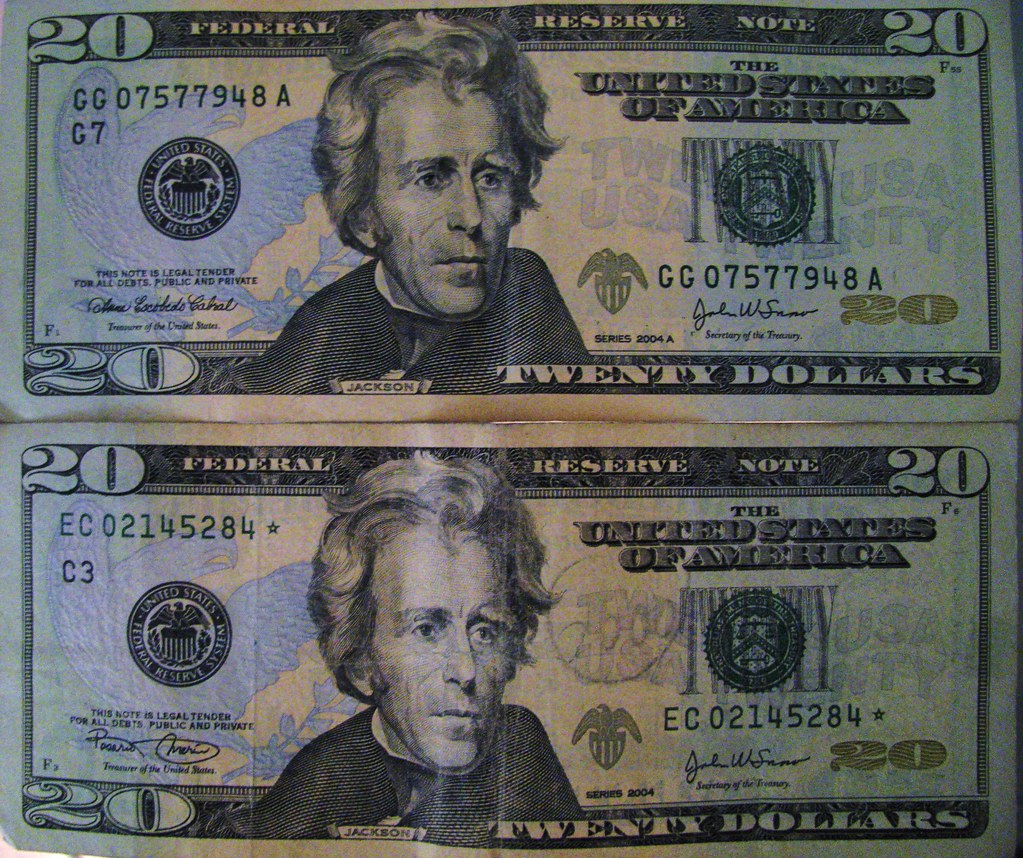
Here’s a secret from my years organizing estate sales: check your old bills for a tiny star next to the serial number. These “Star Notes” were printed to replace misprinted or damaged bills and are sometimes much rarer than their ordinary cousins. Most people never noticed the difference in the checkout line, but collectors sure do. Depending on the year, denomination, and rarity, star notes can bring anywhere from a dollar or two above face value up to hundreds if you hit the jackpot. I always double-check bills before letting them go—sometimes that tiny star is all it takes to make them special.
Old Federal Reserve Notes (Pre-1950s)
If you find a bill that just feels different—thicker paper, larger portraits, old-fashioned script—check the date. Federal Reserve Notes issued before the 1950s often have unique designs and colors that set them apart from today’s bland currency. Even worn bills from the 1920s or ‘30s can be worth more to collectors, sometimes $20 or more, while crisp ones go higher. My mother once found a stack of 1934 twenties hidden in a sewing box—enough to take the whole family out for steak dinners. Don’t let history slip through your fingers; give those old notes a second look.
So next time you’re clearing out that shoebox of “junk,” pause before tossing any bills that look a bit out of place. A little trip down memory lane—and a quick peek at the year or seal—could turn ordinary paper into something surprisingly valuable. From lucky $2s to those mysterious star notes, sometimes what we overlook is the very thing worth holding onto. Happy hunting!
More from Vinyl and Velvet:

Leave a Reply