

Picture the drive past any self storage facility in town. Rows of roll-up doors, each one hiding somebody’s furniture, boxes and “someday” projects. A new survey suggests those doors are hiding more of America than you might think. And if you are a boomer, the numbers may hit close to home.
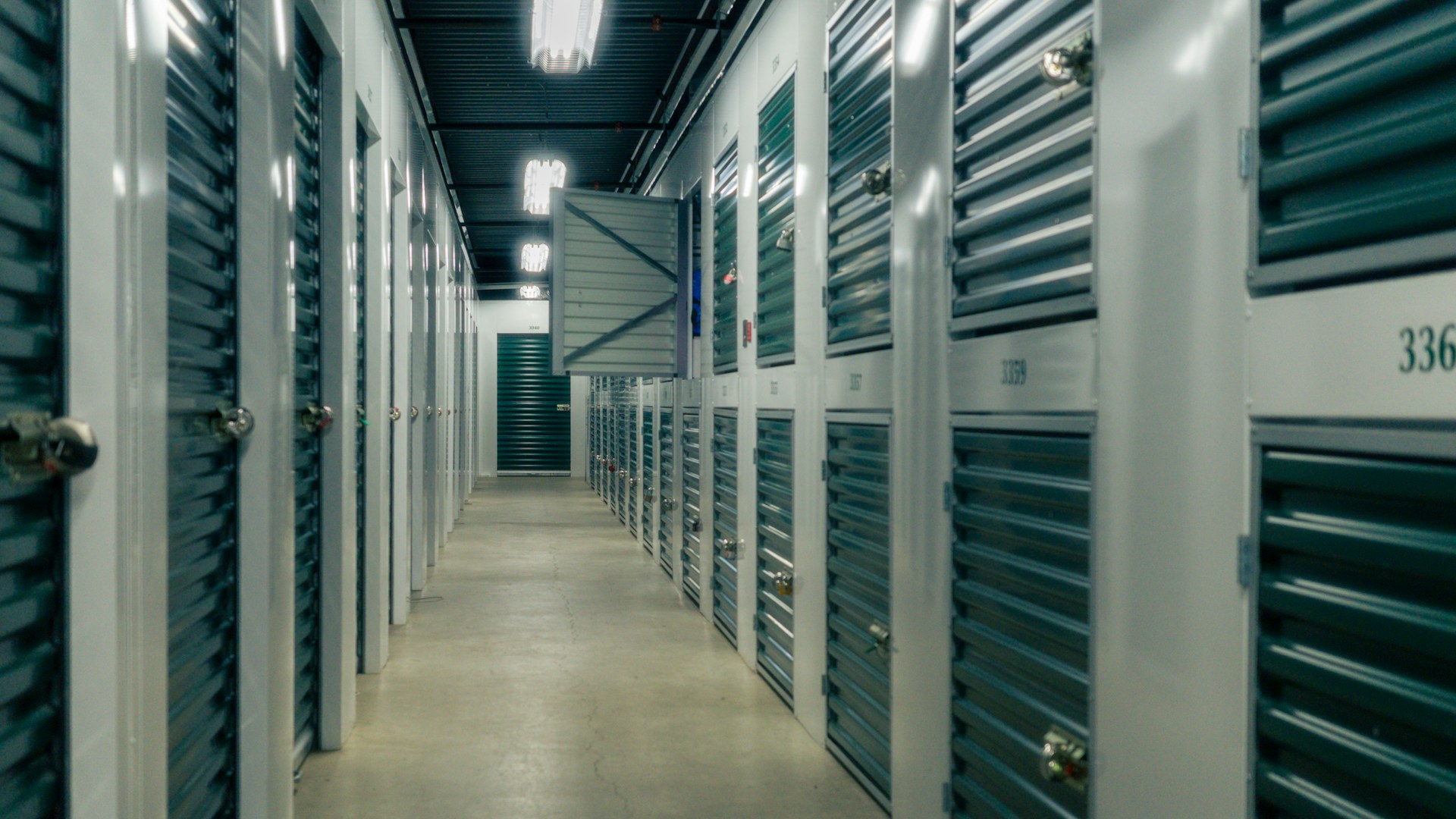
According to a report from StorageCafe, written by Anca Lenta and published September 2, 2026, 26% of Americans currently rent a self storage unit. That is about one in four people. The survey covered 1,430 US respondents and was fielded from November 2025 through June 2026.
Boomers Are Right Up There
The generational breakdown is the part that grabs attention. The survey found that 32% of boomers currently use self storage. Gen X came in even higher at 35%. So the folks who have spent decades gathering a household full of belongings are among the heaviest renters of extra space.
A household that has been going for decades can pile up furniture, decorations and keepsakes. The house has limits. The stuff does not.
What Is In The Units
According to StorageCafe, furniture is the most commonly stored item, at 22%. Sentimental items came in at 10%. The size renters pick most often is the 10×10, at 23%.
Furniture sitting at the top of the list is worth a pause. A dresser or dining table that is stored away is an item you are paying to keep but not using. Used furniture is something many shoppers look for locally, so it is worth finding out what yours would bring.
What It Costs
The report cites average street rates that range widely depending on where you live. They run from $87 in Memphis to $249 in Boston, Los Angeles and San Francisco, and as high as $300 in Honolulu. Those are averages for the cities named, so your own price depends on the facility, the size and the market.
Still, even at the lowest figure in that range, a monthly bill adds up over time. Rent one unit for a few years and you may have paid more than your belongings are worth. That is the hard question this survey raises: is your stuff worth the rent?
Do The Math Before You Renew
Here is a simple way to find out. Take the monthly price you pay and multiply it by twelve. That is what one year of storage costs you. Then think about what the contents would bring if you sold them, or what your life would be like without them. If the answer is that the units cost more than the items are worth, it might be time for a change.
Try this short checklist.
- Write down what is in the unit. If you cannot remember, that is a clue.
- Sort items into keep, sell, donate and toss. Be honest about what you would buy again today.
- Look up what similar items sell for locally, such as furniture and household goods. You may be pleasantly surprised.
- Add up one year of rent and compare it with what the sellable items would bring in.
- Set a date to clear the unit and stick to it.
Selling, Donating And Keeping
Items worth selling can be listed through local online marketplaces, consignment shops or estate sale companies. Items in good shape that are not worth much can go to a donation center, and many offer a receipt you may be able to use at tax time. Check the current rules or ask a tax professional about what applies to you.
Sentimental items are the tricky part. They made up 10% of what people store, according to the survey. If these are the real reason you keep the unit, consider bringing the most meaningful ones home. A few treasured pieces in a memory box can be better than an entire unit of things you never see.
When Storage Makes Sense
Storage is not always a bad idea. It can be a lifesaver during a move, a renovation or a time of transition. The trouble starts when a short-term fix becomes a years-long habit. The question is whether the unit has a plan attached to it.
If you do keep a unit, give it an end date. Mark it on the calendar and review the contents every few months. Ask yourself whether you would pay for that space if you had to start over today.
The Takeaway
One in four Americans rent self storage, and boomers are part of that crowd. That is a lot of folks paying monthly to keep furniture and keepsakes tucked away. It is worth asking whether the money would do more good in your pocket than it does in a metal box across town.
Take a hard look at the unit, run the numbers, and decide. For plenty of households, selling or donating what they no longer need is the cheaper path, and it frees up the one thing storage never can: peace of mind.
More Stories You May Like
- Chunky Plastic Bracelets In A Thrift Store Bin Could Be Bakelite Worth Thousands And A Warm Water Smell Test Can Help You Tell
- Thrifter Calls It the Most Insane Haul of Her Entire Life After Pulling a Designer Emilio Pucci Coat Off the Thrift Store Rack That Fits Her Like a Glove
- Ruined Mid Century Modern Dresser Gets Brought Back to Life in a Transformation That Shows What Furniture Is Worth Saving

Leave a Reply