

Clearing out a parent’s or grandparent’s home is exhausting enough without turning it into a treasure hunt, and understandably, most families just want to get through the boxes and bags as quickly as possible. But older generations were notorious for tucking things away in unexpected places, whether out of habit, thriftiness, or a simple distrust of banks and safety deposit boxes. Cash folded into a book, a ring hidden in a coat pocket, a coin collection quietly building value in a dresser drawer for fifty years — these things turn up in donation piles more often than most families realize, usually after it’s too late to get them back.
Before the boxes head to a donation truck or an estate sale table, these thirteen spots and item categories are worth a careful, unhurried look.
Between Book Pages
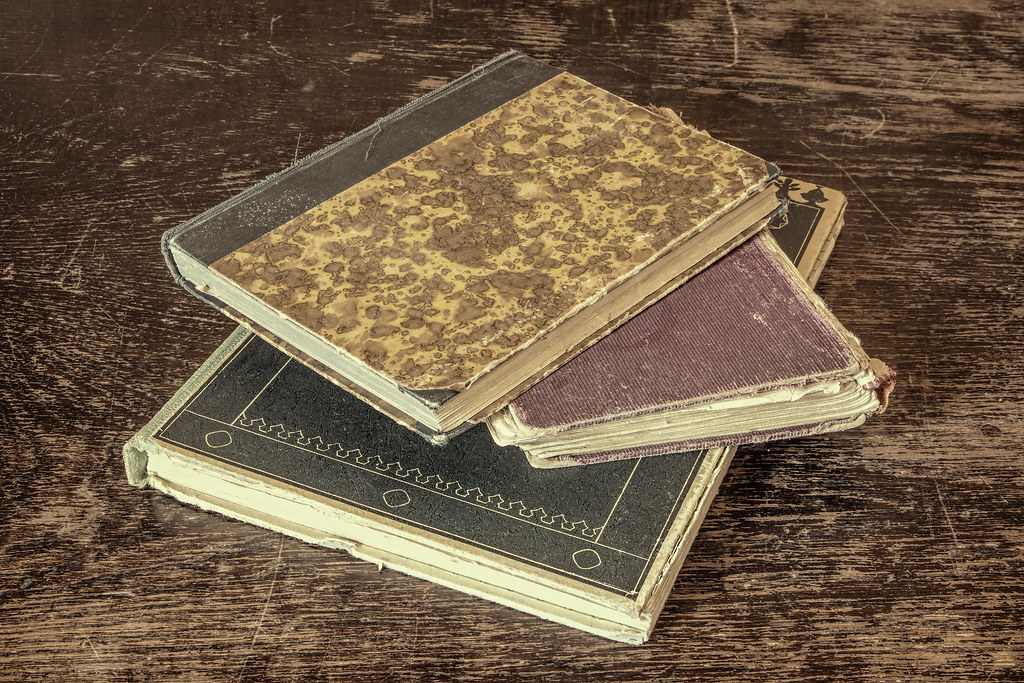
Older generations frequently used books as makeshift safes, tucking cash, savings bonds, or important documents between the pages of a Bible, a favorite novel, or an old encyclopedia set. Fanning through every book before boxing it up, rather than simply stacking them for donation, takes only a little extra time and can turn up genuinely surprising finds. It’s also worth checking whether any of the books themselves are valuable first editions, since a plain-looking hardcover on a shelf is sometimes worth more than what’s tucked inside it.
Coat Pockets and Linings
Winter coats, suit jackets, and even housecoats often accumulate small forgotten items over years of wear, from folded cash and jewelry to old photographs or keys to a lockbox nobody’s located yet. It’s worth checking every pocket, including interior ones that are easy to overlook, and running a hand along the lining of older coats where a rip might have let something slip down between the fabric layers. This is especially important with coats bound for a donation bin rather than an estate sale, since anything left inside effectively disappears the moment the bag leaves the house.
Jewelry Boxes and Loose Costume Pieces
A jewelry box is the obvious place to check, but older relatives often kept costume jewelry loose in dresser drawers, purses, or even sewing kits rather than in one central location. Vintage costume jewelry, particularly pieces signed by a known maker, can carry real collector value well beyond its material worth, with signed pieces from recognized designers commanding considerably more interest than unsigned, generic costume jewelry, according to Rock & Gem Magazine’s guide to vintage costume jewelry types and value. Checking the back of a brooch or the clasp of a necklace for a maker’s signature before assuming a piece is simply old and unremarkable is always worth the extra minute.
Coin Jars and Collections
Older generations frequently squirreled away coins in jars, cans, and old cigar boxes, sometimes as casual spare-change savings and sometimes as a deliberate, if informal, collection built up over decades. Before those coins get rolled up and deposited or donated with everything else, it’s worth sorting through them for older dates, unusual mint marks, or silver content, since a jar of ordinary-looking change occasionally hides coins worth considerably more than face value, according to American Rarities’ guide to evaluating an inherited coin collection. Even a collection that turns out to be mostly ordinary is worth confirming rather than assuming.
Stamp Albums
A stamp album tucked in a desk drawer or bookshelf can represent decades of careful, deliberate collecting, and while most individual stamps are worth very little, a complete or well-organized album occasionally contains rarer issues worth a genuine appraisal. Because stamp collecting has faded significantly as a hobby, younger family members often don’t recognize an album’s potential value and simply set it aside with other paper clutter. Flipping through even briefly, looking for unusually old dates or stamps set apart in protective sleeves, is worth doing before deciding an album has no value beyond nostalgia.
War Medals and Military Memorabilia
Medals, service ribbons, uniform patches, and other military memorabilia are often stored together in a small box or drawer, sometimes alongside discharge papers or unit photographs that add important context and documented history to the pieces themselves. Certain medals and memorabilia, particularly those tied to a specific unit, campaign, or documented individual service record, can carry real value to militaria collectors and historians, according to this military memorabilia guide for estate liquidation. Beyond any monetary value, these items usually carry significant family and historical weight, making them worth setting aside for careful research rather than donating alongside general household goods.
Old Letters and Photographs
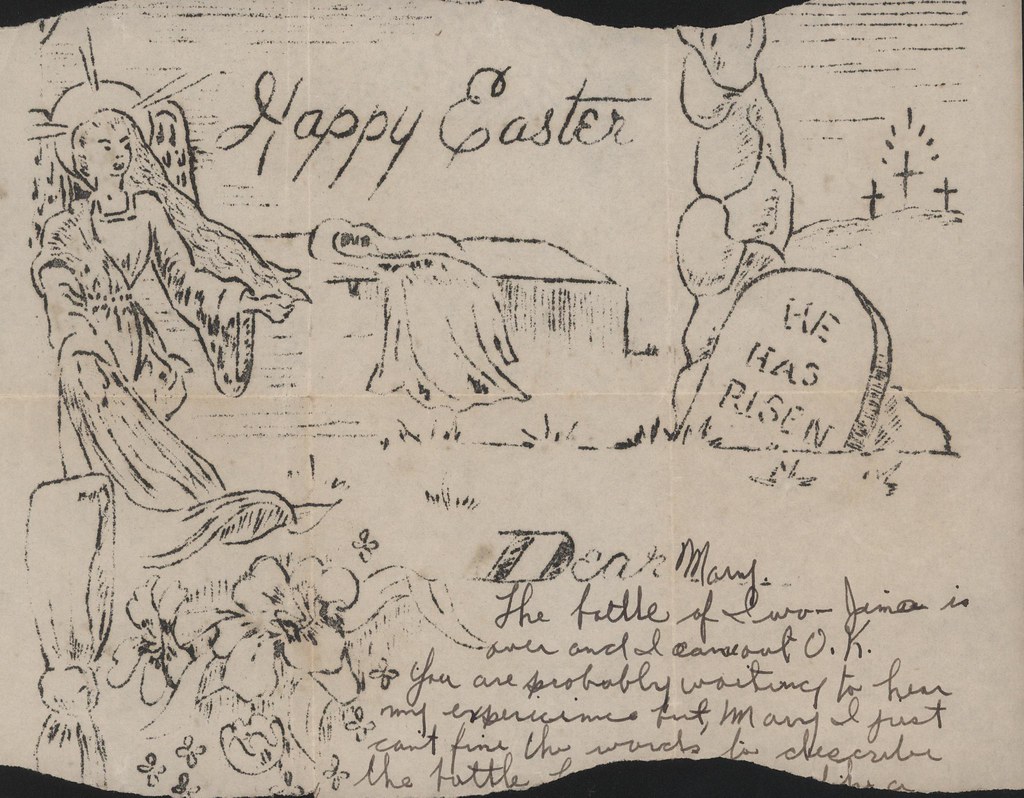
Boxes of old letters and loose photographs are easy to overlook in the rush of clearing a home, but they often contain irreplaceable family history that no appraisal can put a price on, from correspondence during wartime to portraits of relatives nobody currently living ever met. Beyond sentimental value, letters occasionally contain useful genealogical information or documentation relevant to estate matters, making them worth a full review before disposal. Digitizing photographs before deciding what to keep physically is a practical way to preserve the memories even when the physical space to store every box isn’t available.
Signed or First-Edition Books
Beyond checking pages for hidden items, it’s worth examining whether any books in a relative’s collection are first editions, signed copies, or otherwise notable beyond their reading content, since these details are easy to miss on a plain-looking spine. A quick check of the copyright page for printing and edition information takes only a moment and can reveal whether a stack of ordinary-looking hardcovers is actually worth researching further before it heads to a donation box, per Skinner Auction House’s guide to evaluating antique books. Family bibles and books with handwritten inscriptions are also worth preserving for their genealogical and sentimental value alone.
Vinyl Record Collections
A stack of records in the closet or basement is worth sorting through before assuming it’s simply outdated media nobody wants, since certain pressings, especially original releases, specific record label variations, and albums in genuinely excellent condition, hold real interest for collectors. Checking the record’s condition alongside its sleeve, since a scratched disc in a pristine original sleeve is valued differently than a clean disc with a torn cover, matters more than most people expect. Even a collection with modest individual value can add up meaningfully when sold as a complete, well-organized set rather than donated as a box of miscellaneous records.
Furniture Undersides and Drawers
Before donating any older piece of furniture, it’s worth checking the underside of drawers, the back panels of cabinets, and the bottoms of chairs for a manufacturer’s stamp, label, or signature that can significantly change how a piece should be valued and sold. It’s also worth pulling every drawer completely out, since small items are frequently tucked into the back of a dresser or desk drawer where they’re easy to miss during a quick visual check. A piece that looks like ordinary secondhand furniture can turn out to be a documented, desirable design once its origin is actually identified.
Purses and Wallets
Purses, wallets, and handbags, especially ones that haven’t been used in years and are simply stored on a closet shelf, are a common hiding spot for cash, jewelry, or forgotten identification documents that matter for estate purposes. Checking every zippered pocket and interior lining, rather than a quick glance inside the main compartment, is important since older bags in particular often have hidden compartments that aren’t obvious at first look. Vintage designer handbags themselves are also worth researching before donation, since certain brands and styles hold real resale value among collectors of vintage fashion.
Toolboxes and Workshop Drawers
A garage or basement workshop often holds decades of accumulated tools, and while most are simply useful rather than valuable, certain vintage hand tools from respected manufacturers are genuinely sought after by collectors and woodworkers who prefer older, better-made equipment. It’s also common for small valuables, cash, or important documents to end up tucked into a toolbox drawer or coffee can specifically because it seemed like an unlikely place for anyone to look. Sorting through a workshop methodically, rather than boxing everything up as a single donation lot, is worth the extra time it takes.
Watches and Cufflinks
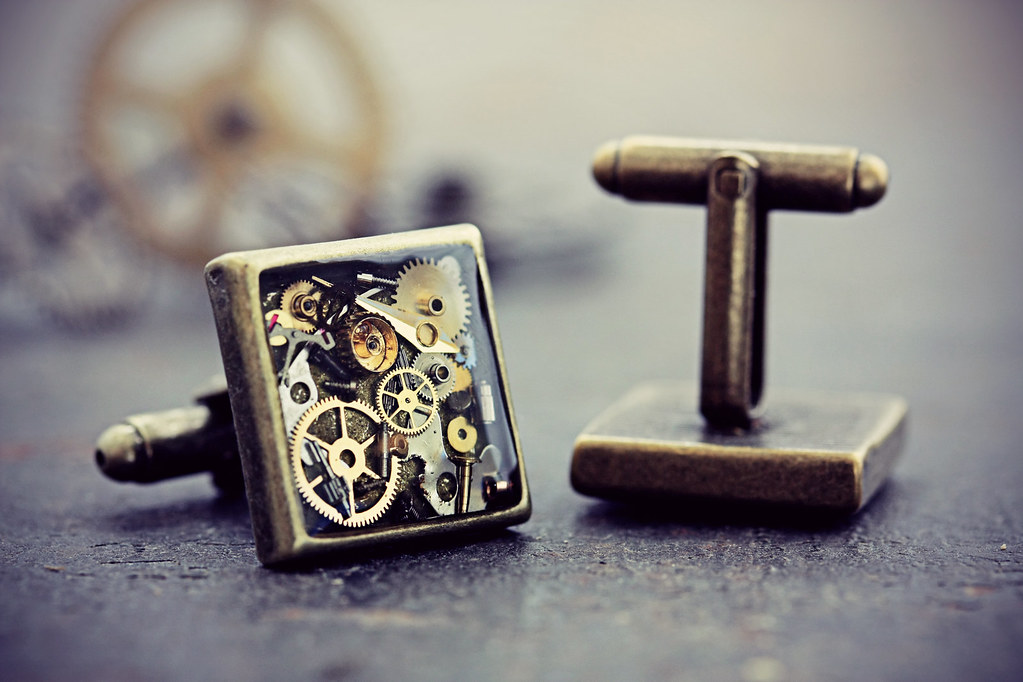
A drawer of old watches and cufflinks is easy to write off as broken or outdated jewelry, but mechanical watches in particular, especially from well-regarded manufacturers, can be repaired and hold genuine resale value even when they’re no longer running. Cufflinks and tie clips, especially sets with a matching case or a monogram, carry sentimental value at minimum and occasionally real material value if they’re gold, silver, or set with genuine stones. Checking the back of a watch case or the maker’s mark on a set of cufflinks before assuming they’re simply costume pieces is a small step that can prevent a genuinely valuable item from leaving the house for next to nothing.

Leave a Reply