

There was a time when getting through an ordinary day required a whole set of skills nobody teaches anymore. You had to remember phone numbers instead of tapping a name on a screen, plan a road trip with a paper map folded twelve different wrong ways, and actually wait for things — a letter, a photograph, a television episode — because there was no way to make them arrive any faster. None of it felt inconvenient at the time. It was just how life worked, and honestly, a lot of it built patience and memory in ways today’s instant-everything world quietly skips.
Looking back, these everyday routines feel almost like relics from another civilization, even though plenty of us lived through them just a few decades ago. Younger generations who’ve never known a busy signal or a VCR that needed tracking adjustments might find the whole list baffling. For everyone else, it’s a warm reminder of a slower, scrappier kind of everyday life.
Memorizing Everyone’s Phone Number
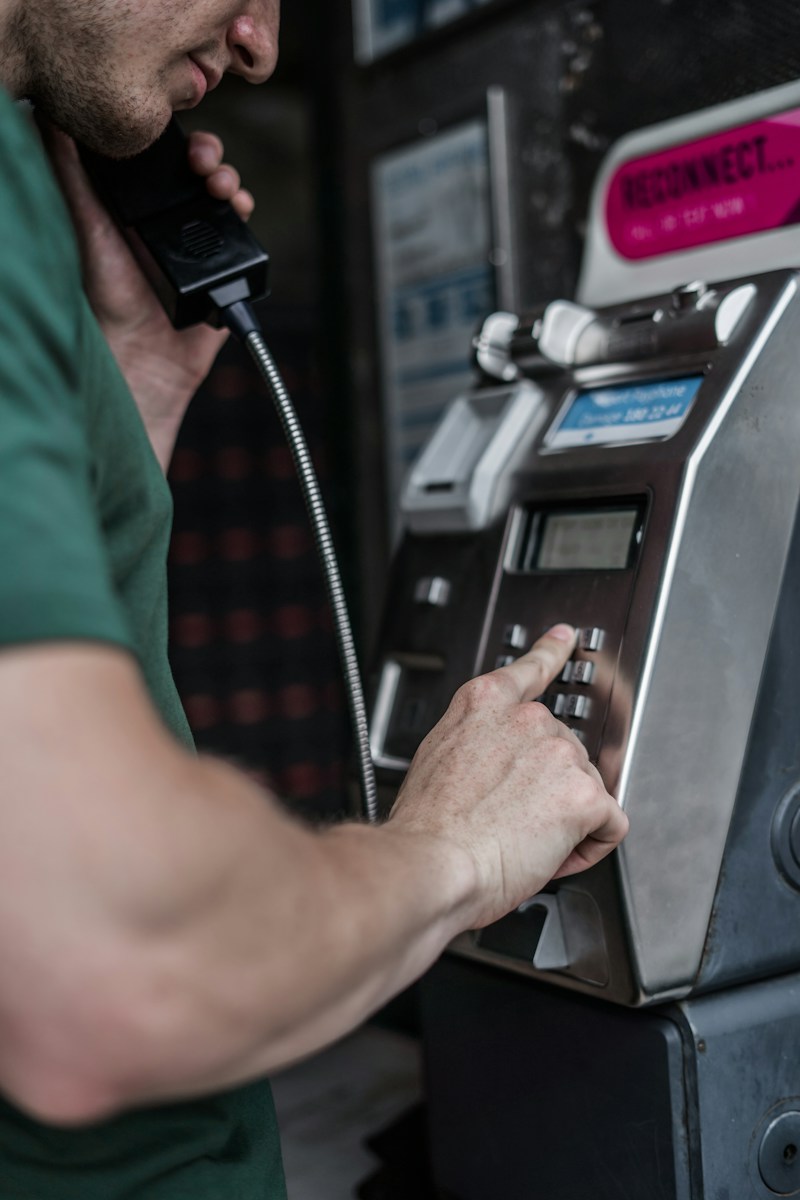
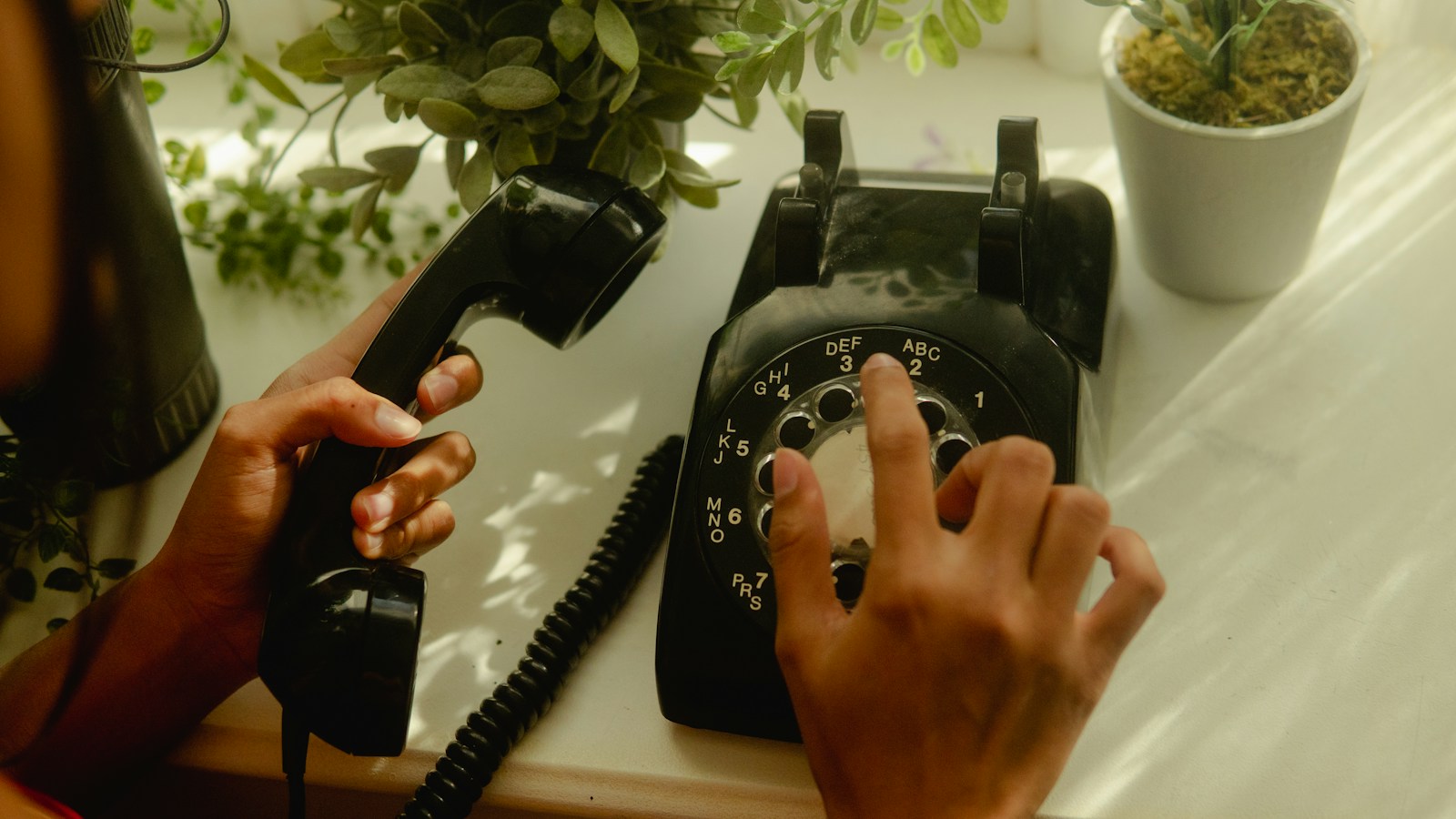
Before smartphones stored every contact automatically, you simply knew the phone numbers that mattered — your best friend’s, your grandparents’, the pizza place down the street. Kids could rattle off seven digits (plus area code, if it was long distance) without hesitation, because there was no alternative. Losing your address book meant losing touch with people, so the important numbers lived in your head instead, often for years after you’d stopped needing them. Whole families organized their social lives around a wall-mounted phone with a cord stretched to its limit, and everyone in the house recognized the rhythm of a familiar number being dialed. Try asking a teenager today to recite a single phone number from memory, including their own parents’, and you’ll usually get a blank stare. It’s a small skill that quietly vanished once devices started doing the remembering for us.
Rewinding the VHS Tape Before Returning It
Renting a movie came with an unwritten rule: you rewound the tape before bringing it back, or you risked a dirty look — and sometimes an actual late fee — from the video store clerk. “Be Kind, Rewind” stickers were slapped on rental cases as a gentle public service reminder, and most households kept a dedicated rewinder to speed up the process. Watching the little counter numbers spin backward while you waited was practically a ritual in itself. If you forgot and returned a tape mid-reel, you were the household villain for a week. It taught a strange kind of communal responsibility that streaming has made completely unnecessary — nobody today has ever had to think about the next person who’ll press play on the exact same physical copy of a movie.
Waiting a Full Week for the Next Episode
There was no bingeing an entire season in one weekend. If you wanted to know what happened next on your favorite show, you had to wait seven full days, same time, same channel, and hope nothing came up to make you miss it. Missing an episode meant genuinely missing it — no on-demand replay, no catching up online the next morning. Water cooler conversations depended on everyone having watched at the same pace, which created a shared cultural rhythm that’s mostly gone now. Cliffhangers actually hung for a week, sometimes over a whole summer hiatus, and fans built genuine anticipation instead of just clicking “next episode” the second the credits rolled. Younger viewers raised on streaming often can’t fathom deliberately waiting that long for a story to continue.
Navigating With a Paper Road Atlas
Long before GPS voices calmly rerouted you, road trips meant someone in the passenger seat holding a giant folded map or a spiral-bound atlas, tracing routes with a finger and calling out exits well in advance. Getting lost was a real possibility, and finding your way back required actual navigation skills, a gas station attendant’s directions, or sheer stubborn trial and error. Refolding the map correctly afterward was its own minor achievement that almost nobody managed on the first try. Families kept an atlas in the glove compartment for years, its pages soft and torn at the fold lines from constant use. There was a genuine sense of accomplishment in arriving somewhere new using nothing but printed paper and memory — something GPS has made both easier and a little less memorable.
The Encyclopedia Set in the Living Room
Every well-stocked household had a matching set of encyclopedia volumes, usually purchased through a door-to-door salesman or a special payment plan, lined up proudly on a shelf. Doing a school report meant pulling out the right letter volume and reading through dense columns of text, often supplemented by a trip to the library for anything more current. The set was a status symbol as much as a reference tool, and parents genuinely believed it was an investment in their children’s future. Updated yearbooks arrived annually to keep the information current, at least for a while. Searching for information took real effort and page-flipping patience compared to typing a question into a search bar and getting an answer in half a second, which makes the whole ritual feel almost quaint now.
Getting a Busy Signal on the Phone
Before call waiting and voicemail were standard, calling someone whose line was already in use meant hearing a flat, repetitive busy signal — and that was that. You simply hung up and tried again later, sometimes for hours, with no way of knowing who they were talking to or for how long. Teenagers tying up the family’s one phone line for hours was a genuine household conflict, since it meant nobody else could call in or out. There was no way to leave a message unless an answering machine happened to be hooked up. The busy signal became such a universal sound that it needed no explanation — everyone instantly understood what it meant and the mild frustration that came with it, a shared experience that’s simply disappeared with modern phone networks.
Developing Film and Waiting for the Photos
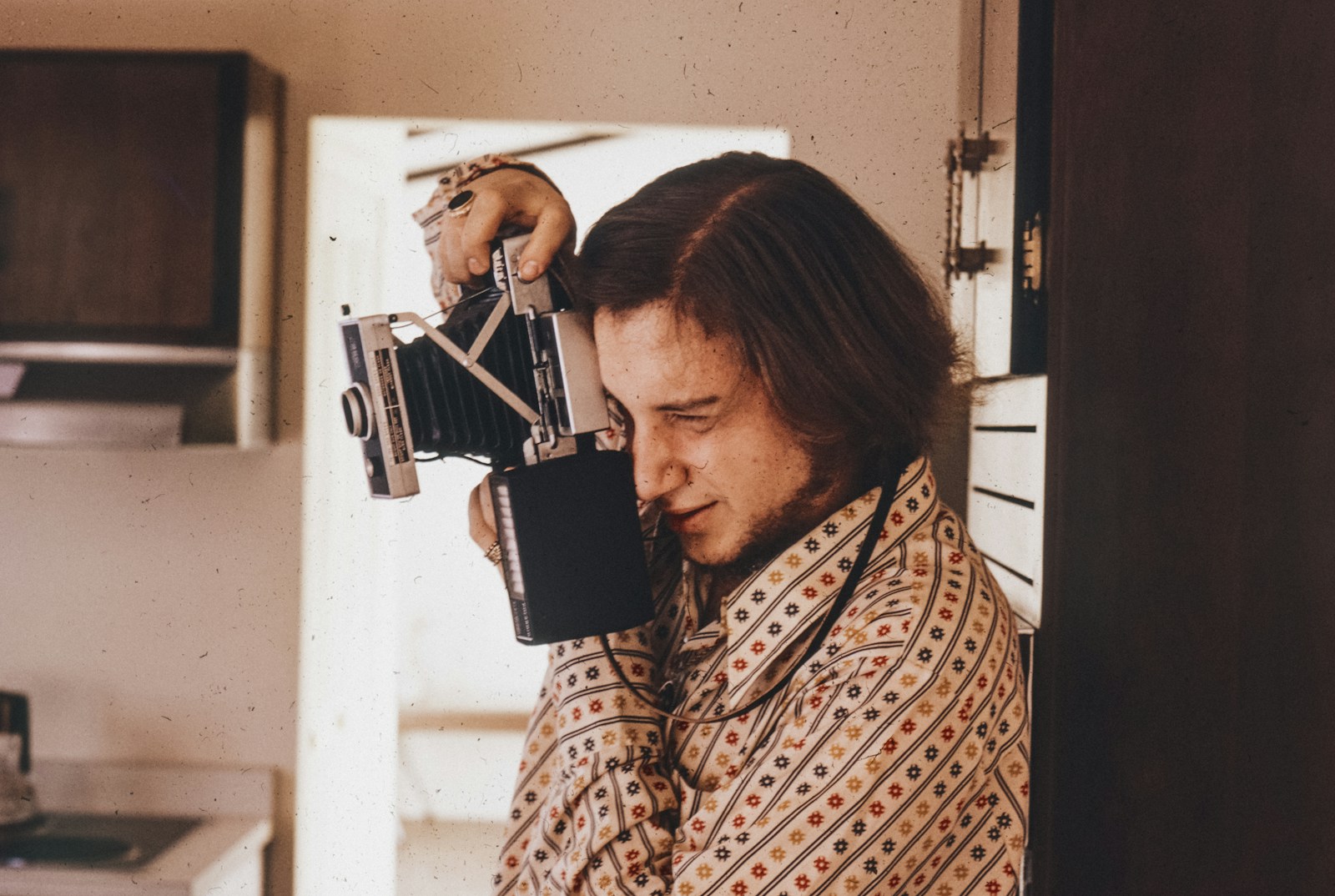
Taking a picture used to be an act of genuine anticipation. You’d shoot a roll of 24 or 36 exposures, often stretching it across weeks or months of events, then drop it off at a drugstore counter and wait days to see whether any of the photos actually turned out. Blurry shots, thumbs over the lens, and people with their eyes closed were permanent, unavoidable outcomes you didn’t discover until it was too late to retake them. Getting the envelope back and flipping through prints for the first time was genuinely exciting, almost like unwrapping a small gift. Double prints were a popular option so you could mail copies to relatives. Nothing about digital photography, for all its convenience, quite replicates that particular mix of anticipation and surprise.
Calling a Number Just to Hear the Time
Many phone companies once offered a free number you could dial to hear an automated voice announce the exact time, sometimes down to the minute, updated continuously. People used it constantly to set clocks, catch a bus, or settle an argument about how late someone actually was. Some cities paired the time announcement with the current temperature as a bonus public service. It felt almost magical that a machine on the other end of the line always knew precisely what time it was, ready twenty-four hours a day. As clocks became built into every device imaginable, the service simply faded away without much notice, and most people under a certain age have never heard of it existing in the first place.
Mixtapes Recorded Straight Off the Radio
Making a mixtape meant sitting by the radio with a blank cassette loaded and your finger hovering over record and pause, waiting for your favorite song to come on. If the DJ talked over the intro or the ending got cut off because you reacted a half-second too slow, you just lived with it — there was no redo without losing the next opportunity. Compiling a full tape of favorite songs could take days of patient listening and quick reflexes. Trading homemade mixtapes with friends or giving one to a crush was a genuine act of effort and personal expression. The hiss of tape, the click of the pause button, and the imperfect timing were all part of the charm, something a curated streaming playlist simply can’t replicate.
The Sunday Newspaper as the Only Source of Coupons
Saving money on groceries meant sitting down with the thick Sunday paper, scissors in hand, clipping coupons out of glossy inserts before they expired. Families organized coupon envelopes or accordion folders by category, and clipping became a genuine weekend household activity, sometimes involving the whole family around the kitchen table. Store flyers tucked into the same paper told you exactly what was on sale that week, since there was no app to check prices instantly. Forgetting the paper at the store meant missing out on real savings until the next Sunday rolled around. It was slower and messier than digital coupon codes, but it also made saving money feel like an active, hands-on skill rather than something an app quietly does for you.
Writing Actual Letters to a Pen Pal
Long before instant messaging, staying in touch with a friend who moved away, or a pen pal met through a school program, meant sitting down to handwrite an actual letter, sealing it in an envelope, and walking it to a mailbox. Then came the waiting — days, sometimes weeks, for a reply to make its way back across the country or the ocean. Handwriting mattered, stationery choices mattered, and a specific stamp or sticker could make a letter feel personal in a way a text message never quite manages. Checking the mailbox daily in hopeful anticipation was its own small ritual. Whole friendships were sustained entirely through paper and patience, building a kind of anticipation and thoughtfulness that instant replies have mostly replaced with speed.
Watching TV on the Family’s Only Set
Most households had exactly one television, usually parked in the living room, which meant watching anything required negotiation with siblings and parents over what to put on. Whoever controlled the dial — and later, the single remote — effectively controlled the evening’s entertainment for everyone in the house. Getting up to physically change the channel or adjust the rabbit-ear antenna for better reception was a normal, repeated chore during any given show. Families gathered together simply because there was nowhere else in the house to watch anything else. A second television, let alone one in every bedroom, was considered a luxury most people didn’t have until decades later, which made TV time a genuinely shared, sometimes contentious, family event.

Leave a Reply