

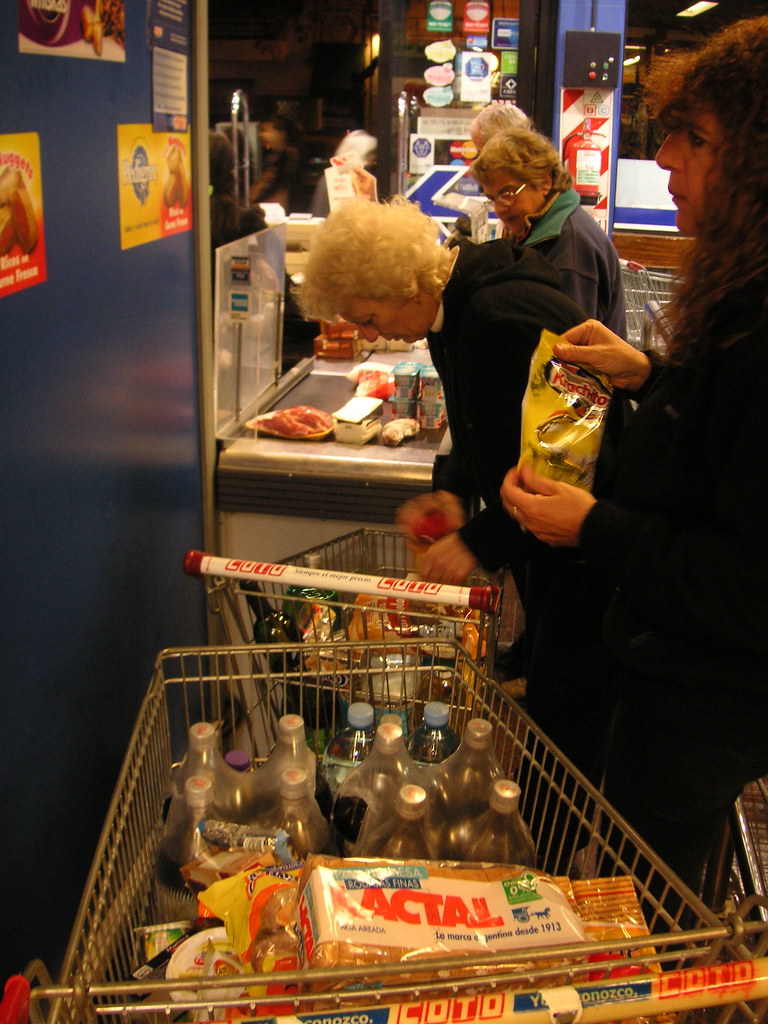
The 1960s get remembered for the moon landing, the British Invasion, and a decade of enormous cultural change, but underneath all of that, daily life looked remarkably different in ways that had nothing to do with headlines. Ordinary households operated on assumptions about safety, medicine, and everyday behavior that simply don’t exist anymore, not because people were reckless, but because the information, laws, and products that would eventually change all of it hadn’t arrived yet.
Looking back at an average ’60s household through modern eyes can feel almost like reading about a different country entirely. Here are twelve things that were completely unremarkable at the time and would be genuinely shocking if they happened in an average home today.
Kids Riding in the Front Seat With No Restraints
Long before car seats and seatbelt laws became standard, it was entirely normal for a young child to sit in the front passenger seat, sometimes even standing up or bouncing around, with absolutely nothing holding them in place. Parents didn’t think twice about it, since seatbelts weren’t yet a legal requirement and infant car seats as we know them today simply didn’t exist in most households. New York became the first state to require adult seatbelt use, but not until 1984, more than two decades after the era in question. A toddler standing on the front bench seat while the car cruised down the highway was simply how families traveled, a sight that would provoke immediate alarm from anyone witnessing it today.
Smoking on Airplanes and in Hospitals
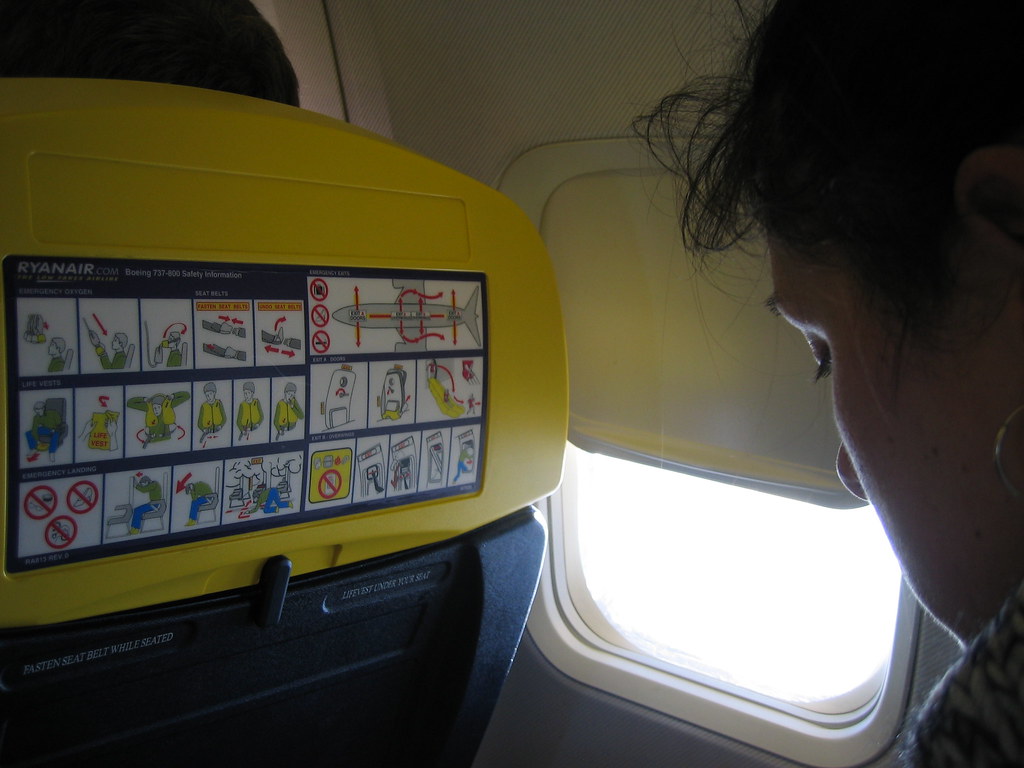
Lighting a cigarette mid-flight was completely routine, with ashtrays built directly into airplane armrests and smoking sections that shared the exact same recycled air as everyone else on the plane. Doctors, nurses, and even patients smoked inside hospitals, sometimes in waiting rooms and occasionally in patient rooms themselves. Cigarette advertisements frequently featured physicians endorsing specific brands, reflecting just how little the medical risks were understood or acknowledged publicly at the time. Secondhand smoke wasn’t a phrase most people used or worried about. The idea of smoking freely in an enclosed airplane cabin or a hospital corridor today would be almost unimaginable given everything learned since.
Leaded Gasoline in Every Car on the Road
Every gas station pump in the country dispensed gasoline containing added lead, a compound used to boost engine performance that also released lead particles into the air with every mile driven. Nobody filling up their tank gave it a second thought, since it was simply the only type of gasoline widely available. It would take decades of research and regulation before the Environmental Protection Agency completed its phaseout of leaded gasoline for on-road vehicles in 1996. Children playing near busy roads throughout the ’60s were regularly exposed to lead emissions that later research linked to serious developmental concerns, an exposure risk almost nobody was aware of at the time.
Lawn Darts as a Backyard Party Game
Metal-tipped lawn darts, sold under names like Jarts, were a genuinely popular backyard lawn game throughout the decade, tossed high into the air by adults and kids alike aiming for a ring on the ground. The heavy metal tip that made them fly straight also made them capable of causing serious injury if a throw went wide or a kid wandered into the landing zone at the wrong moment. Nobody at the time saw anything unusual about handing children a weighted metal projectile to throw around the yard at a family cookout. It would eventually take mounting injury reports for the sale of the classic metal-tipped version to be banned in the U.S. two decades later. In the ’60s, though, it was just another game sitting next to the horseshoes in the garage.
Doctors Making House Calls
If a child ran a high fever or a family member fell seriously ill, it was entirely normal to call the family doctor and have them come directly to the house, bag in hand, rather than heading to a clinic or emergency room. Many towns had a single well-known family physician who knew every member of a household personally, sometimes across multiple generations. Payment was often informal, sometimes settled with cash on the spot or billed later without much paperwork involved. This kind of personal, on-demand house-call medicine largely disappeared as healthcare became more specialized, insurance-driven, and centralized around hospitals and clinics. The idea of a doctor showing up at your front door today, without an appointment or an ambulance involved, feels almost like a scene from another era entirely, because it is.
Kids Roaming Free Until the Streetlights Came On
Children in the ’60s were routinely sent outside after breakfast with no set plan beyond “be back by dinner,” free to roam the neighborhood, nearby woods, or a local creek for hours without any adult supervision or way to check in. Parents had no method of tracking their kids’ location beyond trusting them to show up when the streetlights flickered on at dusk. Groups of neighborhood kids formed their own loose social hierarchies and rules independent of any adult involvement. This level of unsupervised freedom was considered completely normal parenting, not a cause for concern. A modern parent allowing a six-year-old to disappear into the neighborhood for an entire day with zero check-ins would likely draw serious questions from other adults today.
The Milkman Delivering to Your Doorstep
Fresh milk, and often eggs, butter, and other staples, arrived at the front step several times a week via a dedicated milkman driving a specific delivery route through the neighborhood. Households left empty glass bottles out to be collected and refilled, an early reusable packaging system nobody thought of in those terms at the time. Payment was frequently handled through a running monthly tab rather than cash exchanged at each delivery. The milkman himself often became a familiar, trusted neighborhood figure, greeted by name and sometimes even given a house key for early deliveries. This entire delivery infrastructure largely disappeared as supermarkets expanded and refrigeration technology made stockpiling groceries at home far more practical.
Only Three Television Channels to Choose From
Most American households could pick up exactly three network channels through an antenna, meaning the entire country was often watching the exact same handful of programs on any given night. There was no channel surfing in any meaningful sense, since there was almost nothing to surf between. Reception depended heavily on how well the antenna was positioned, and a strong wind or storm could turn a clear picture into static instantly. Families gathered together simply because there wasn’t a meaningful alternative to watching as a group. The idea of having virtually unlimited entertainment choices streaming instantly to multiple devices in the same house would have sounded like pure science fiction to anyone watching one of those three channels back then.
Shared Party Line Telephones
Many households, especially in rural or small-town areas, shared a single telephone line with several neighboring families, meaning you might pick up the receiver to make a call and hear someone else already talking. Basic phone etiquette required listening briefly to check if the line was free before dialing at all. Genuine privacy on a call was essentially nonexistent, since anyone else sharing the line could quietly listen in if they wanted to. Emergencies became more stressful if a neighbor happened to be tying up the shared line at exactly the wrong moment. The idea of multiple unrelated households sharing one phone line and one shared conversation space feels almost absurd by today’s standard of a personal device for nearly every family member.
No Such Thing as a Bike Helmet
Kids rode bicycles everywhere throughout the decade, often at real speed down hills and busy streets, with absolutely nothing on their heads beyond maybe a baseball cap. Bike helmets as a widely available consumer product barely existed, and the ones that did exist weren’t designed with real impact protection in mind. Falling off a bike and hitting your head was treated as an unfortunate but ordinary part of childhood rather than a preventable injury. Parents genuinely didn’t have the option to buy a properly designed helmet even if they’d wanted one. It would take decades of safety research and dedicated advocacy before real protective helmets became widely available and eventually expected, rather than nonexistent.
Paddling as Standard School Discipline
Physical punishment, including a wooden paddle applied by a principal or teacher, was a completely accepted, formally sanctioned disciplinary tool in many public schools throughout the decade. Students sent to the principal’s office for a genuine offense might return with a sore backside, and parents were often notified as a courtesy rather than for permission. Teachers themselves sometimes carried a paddle openly in the classroom as a visible deterrent. Few parents at the time seriously questioned whether striking a child at school was an appropriate response to misbehavior. Today, the idea of a school employee physically striking a student as official policy would trigger immediate legal and social consequences almost everywhere in the country.
Buying Groceries With No Ingredient Labels to Check
Grocery shopping in the ’60s meant reading a short list of ingredients on a package, if any detailed list existed at all, with no standardized nutrition facts panel to compare calories, fat, or sugar content between products. Consumers had no reliable, consistent way to know exactly what was in the food they were buying beyond the manufacturer’s own marketing claims. Artificial colors, preservatives, and additives were used freely with minimal public awareness or regulatory scrutiny compared to today’s standards. Shoppers largely trusted brand names and advertising rather than any detailed label information. It would take years of consumer advocacy before standardized nutrition labeling became the reliable, detailed resource shoppers now take for granted at every grocery store.

Leave a Reply