

Before the grocery store aisle had a version of everything, most households simply made what they needed. It wasn’t a hobby or a weekend project posted for applause — it was Tuesday. Bread rose on the counter because that was cheaper and better than a loaf wrapped in plastic, and cleaning solutions got mixed from vinegar and baking soda because nobody was driving to the store for a bottle of window spray. That self-sufficiency wasn’t glamorous, but it built a kind of household competence that’s becoming rare and, lately, newly desirable again.
Revisiting these twelve things people once made rather than bought is a reminder of how much knowledge lived in ordinary kitchens and back porches, and how much of it is worth bringing back, if only for the satisfaction of doing it yourself.
Bread
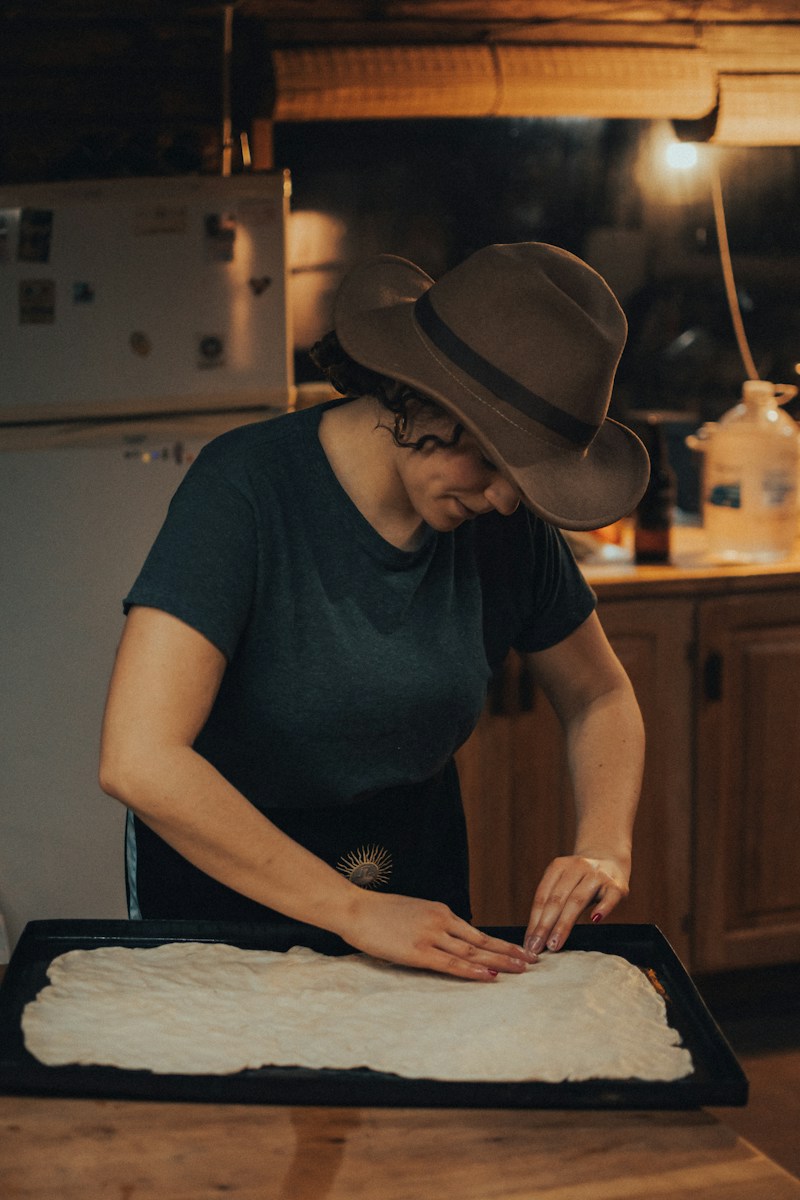
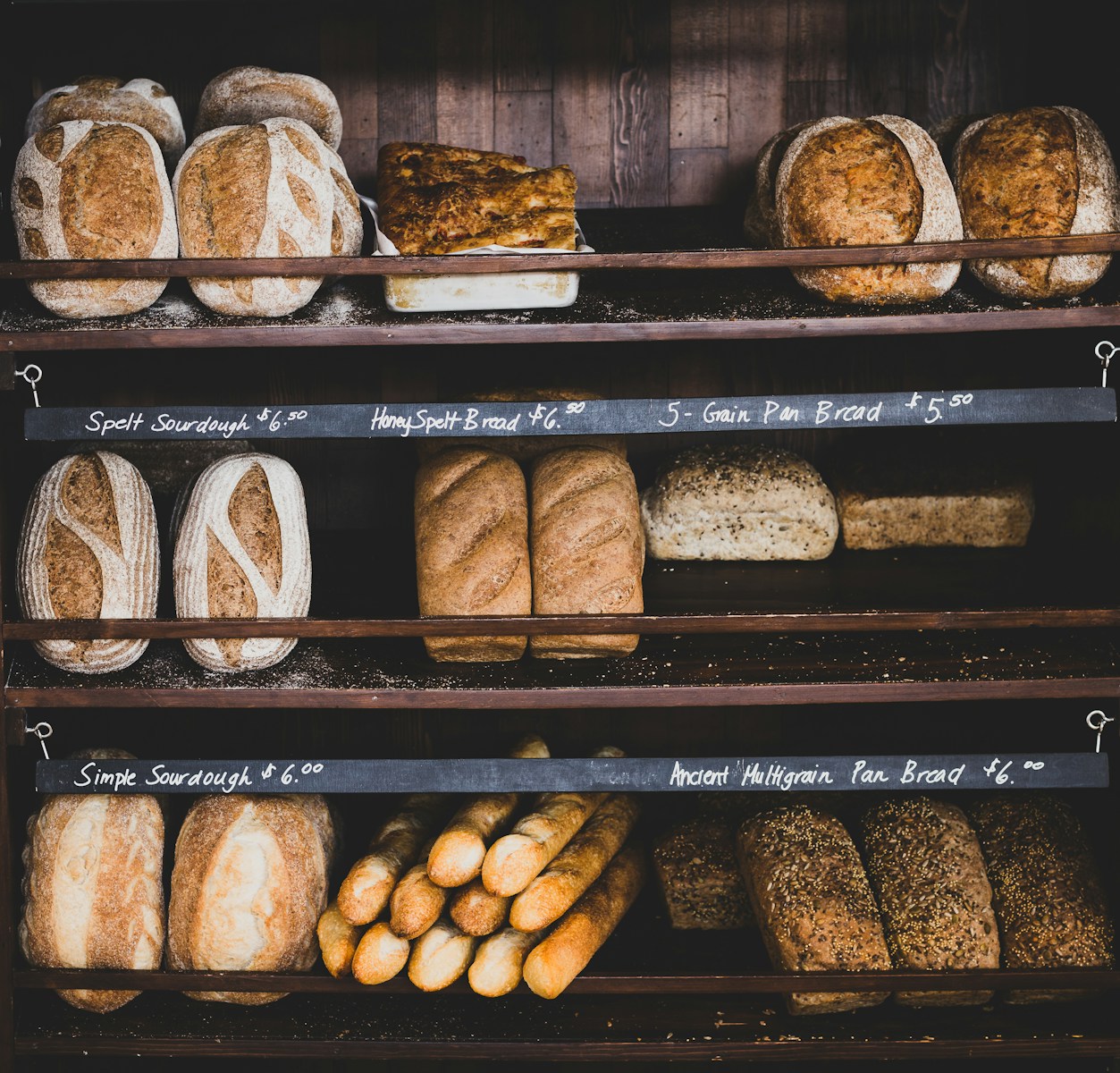
A loaf of bread from the store was, for generations of households, considered a poor substitute for what could be made at home for a fraction of the cost. Flour, yeast, water, and salt sat in every pantry, and baking day was often a weekly ritual that filled the house with a smell no bakery aisle could replicate. Homemade bread also meant control over ingredients at a time when preservatives and mass production were viewed with real suspicion by home cooks who trusted their own hands over a factory line. Children were taught to knead dough as a basic life skill, right alongside learning to sew a button or change a tire. The resurgence of home baking in recent years, especially sourdough culture-keeping, is less a trend than a rediscovery of a skill that used to be assumed, not admired.
Laundry Soap
Long before liquid detergent came in brightly colored jugs, households made their own soap from rendered fat, lye, and whatever scent was on hand, often as a once- or twice-a-year batch that lasted months. Even after commercial detergent became common, plenty of frugal households kept mixing homemade laundry powder from grated bar soap, washing soda, and borax, stretched to cover a family’s wash for pennies on the dollar. It required patience and a bit of chemistry sense, but it also meant total control over what touched the family’s clothes and skin. That knowledge has become a genuine specialty skill today, kept alive mostly by homesteading enthusiasts and thrift-minded households looking to cut down on plastic packaging and rising detergent prices alike.
Jam and Preserves
Come summer, kitchens filled with the smell of simmering fruit and sugar as households turned a garden’s or orchard’s excess into jars that would carry the taste of August all the way into February. Canning jam wasn’t a specialty craft reserved for enthusiasts; it was simply what you did with strawberries, peaches, or blackberries before they spoiled, and pantry shelves lined with jewel-toned jars were a point of quiet pride. The mason jars themselves got reused year after year, passed down along with the recipes and the know-how for a proper seal. Store-bought jam, sweeter and less distinctive, was viewed as a convenience for people who hadn’t had the chance to put up their own. That instinct toward preserving a harvest rather than wasting it is exactly what’s driving new interest in home canning today.
Pickles
A crock of cucumbers brining in salt water on the counter or in the cellar was a common summer sight, the first step toward a winter’s supply of pickles that cost almost nothing beyond the vegetables themselves and a bit of vinegar and dill. Families often had their own closely guarded recipe, tweaked over generations, and pickling extended well beyond cucumbers to green tomatoes, beets, and watermelon rind that would otherwise have been thrown out. The process doubled as a way to stretch a garden’s yield through the colder months, when fresh vegetables were scarce and expensive. Store shelves full of pickles in every conceivable flavor make the homemade version feel almost unnecessary now, but the crunch and tang of a batch made at home still outshines anything that came off a factory line.
Quilts
Nothing went to waste in a household that quilted, and worn-out shirts, dresses, and flour sacks were cut into squares and stitched into blankets that would outlast the original garments by decades. Quilting bees brought neighbors and family members together over a shared frame, turning a practical necessity into a genuinely social occasion that also passed sewing skills down to younger generations. A quilt made this way carried real history in its fabric, often stitched with scraps from a wedding dress, a christening gown, or a favorite work shirt, making each one entirely unrepeatable. Buying a blanket at the store, when a quilt could be assembled from fabric already in the house, would have seemed like skipping a step that mattered. Handmade quilts from this era are now treasured heirlooms precisely because that patience and piecing can’t be mass-produced.
Candles
Before electricity reached every corner of rural life, and even for a while after, households kept a steady supply of homemade candles on hand, dipped or poured from rendered tallow or beeswax and a length of cotton wicking. Candle-making day was often tied to butchering season, when fat rendered from a hog or cow provided the raw material, making the whole process a practical extension of using every part of an animal. Even once electric lighting became standard, homemade candles stuck around for their scent, their thriftiness, and the simple fact that the skill was already in the household’s hands. Buying candles from a store, especially decorative ones, was considered something of an indulgence reserved for special occasions rather than everyday lighting.
Soap
Bar soap for washing hands, dishes, and laundry alike was often made in a single large batch, using the same lye-and-fat process as candle tallow, and then cut into blocks that would last a household for months at a time. It wasn’t fancy or scented like the soaps sold in stores today, but it did the job, and the ingredients cost almost nothing beyond what the household already had on hand from cooking and butchering. Making soap required careful attention to the lye, which could burn skin if handled carelessly, so it was often treated as a skill passed down specifically from mother to daughter, along with the exact ratios that worked best. That tradition has become something of a specialty craft now, kept alive by hobbyists who appreciate both the chemistry and the history behind a bar of soap made entirely from scratch.
Wine or Homemade Cordials
A cellar or pantry corner dedicated to fermenting dandelion wine, elderberry cordial, or a batch of homemade beer was common in households that treated a garden’s or hedgerow’s bounty as raw material for more than just eating. These weren’t fine vintages, but they served their purpose at holidays and gatherings for a fraction of what a bottle from the store would cost, and the recipes were often handed down along with strong opinions about the right proportion of sugar to fruit. Making your own also meant you knew exactly what went into it, at a time when trust in store-bought alcohol wasn’t universal. The revival of home brewing and winemaking as hobbies today echoes this same instinct, even if it’s now framed as a pastime rather than a household necessity.
Clothes and Mending
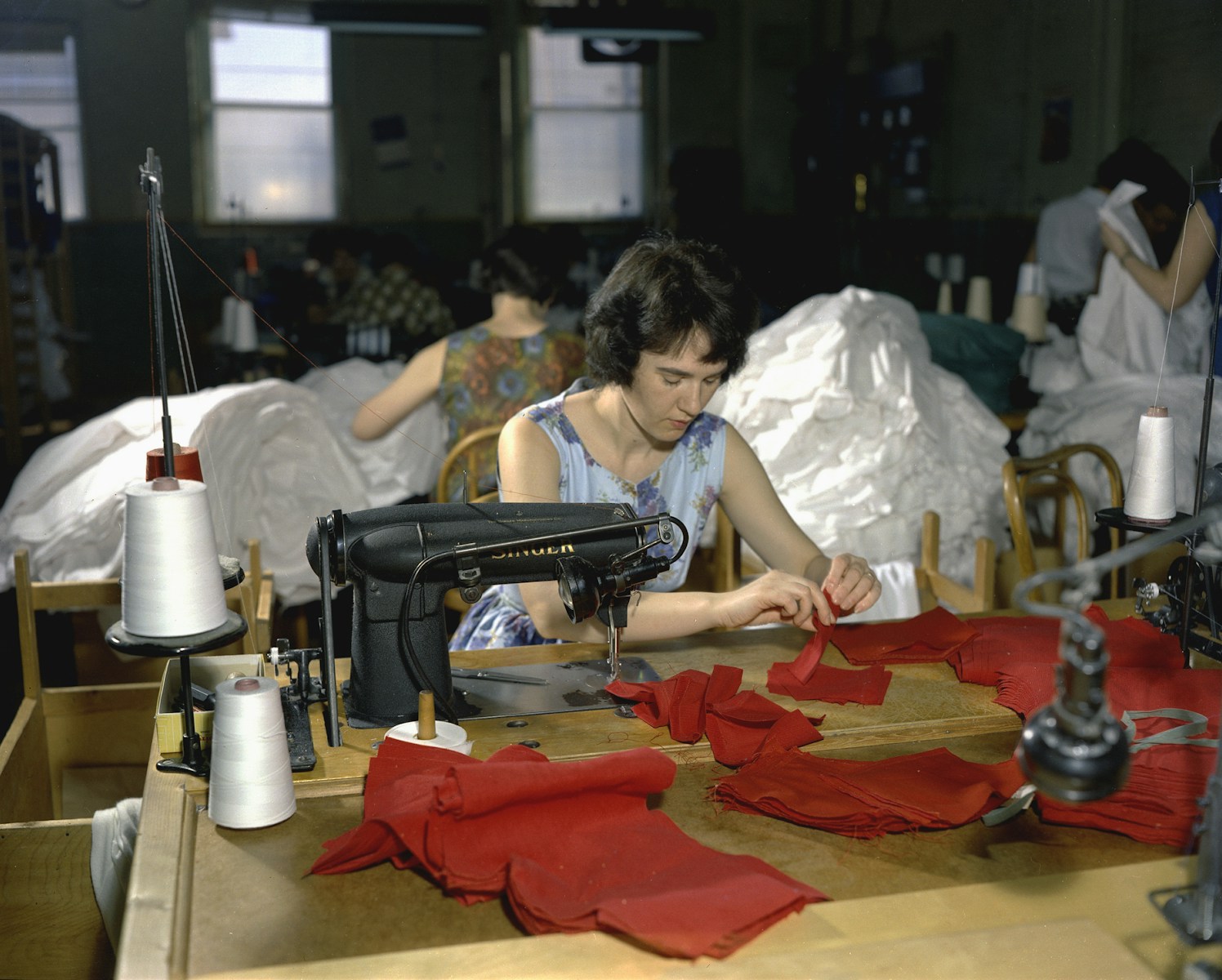
A sewing machine humming in the corner of the living room was as common a sight as a television, and most households made at least some of their own clothing rather than buying everything ready-made. Even families who bought clothes new treated mending as a given, patching knees, replacing buttons, and turning collars rather than discarding a garment at the first sign of wear. Fabric was bought by the yard from a dry goods store, and a pattern could be reused for years, adjusted slightly for a growing child or a new occasion. That habit of repair over replacement stands in sharp contrast to today’s disposable approach to clothing, and it’s exactly the instinct that’s driving renewed interest in mending, visible or otherwise, among people tired of fast fashion’s short lifespan.
Ketchup and Condiments
Long before ketchup came standardized in a glass bottle with a recognizable label, households made their own from tomatoes, vinegar, and spices, often canning a summer’s tomato surplus into a condiment that would last through winter. Mustard, relish, and chow-chow followed the same logic: garden vegetables that were about to go to waste got transformed into something flavorful and shelf-stable instead. Recipes varied wildly from household to household, which meant the ketchup on one family’s table tasted noticeably different from the neighbor’s, something that’s been almost entirely flattened out by mass production today. Making your own condiments wasn’t about flavor snobbery; it was simply the most sensible way to use a garden’s output and avoid buying something that could be made for free.
Yogurt and Cottage Cheese
With a bit of warm milk, a starter culture, and some patience, households turned ordinary milk into yogurt or cottage cheese right on the counter or near the stove’s residual warmth, stretching a milk delivery further than buying prepared dairy products ever could. This was especially common in households with their own dairy cow or goat, where excess milk needed a use before it spoiled, but even households buying milk from a store or milkman often kept the practice alive out of habit and thrift. The process required almost no special equipment, just a warm spot and an understanding of timing that got passed down through repetition rather than written recipes. Store shelves lined with dozens of yogurt brands make this skill feel obsolete, but the tang and thickness of a homemade batch still surprises anyone who tries it for the first time.
Cleaning Solutions
A bottle of glass cleaner or a tub of scouring powder from the store was, for many households, an unnecessary purchase when vinegar, baking soda, lemon, and a bit of elbow grease handled the same jobs for almost nothing. Windows got polished with vinegar and old newspaper, drains got cleared with baking soda and boiling water, and cast iron got scoured with coarse salt rather than a specialty cleaner. These weren’t folk remedies dressed up as nostalgia; they were the standard cleaning methods in most kitchens for decades, backed by ingredients that did double duty for cooking and cleaning alike. The explosion of specialty cleaning products in the back half of the twentieth century replaced a lot of this know-how, but the same basic combinations still work exactly as well today as they did on a grandmother’s kitchen counter.

Leave a Reply