

The ’90s felt disposable while it was happening. Plastic toys, cheap electronics, and mass-produced novelty items came and went constantly, treated as this month’s obsession rather than anything worth holding onto for the long haul. Kids traded, lost, and outgrew this stuff at a rapid pace, and parents cleared it out just as fast once the next trend rolled in.
That disposability is exactly what makes so much of it valuable now. Because nobody thought to keep this stuff carefully, well-preserved examples have become genuinely hard to find, and collectors, especially the generation that grew up with it, are actively paying real money to get it back. These twelve things have become surprisingly serious collector targets.
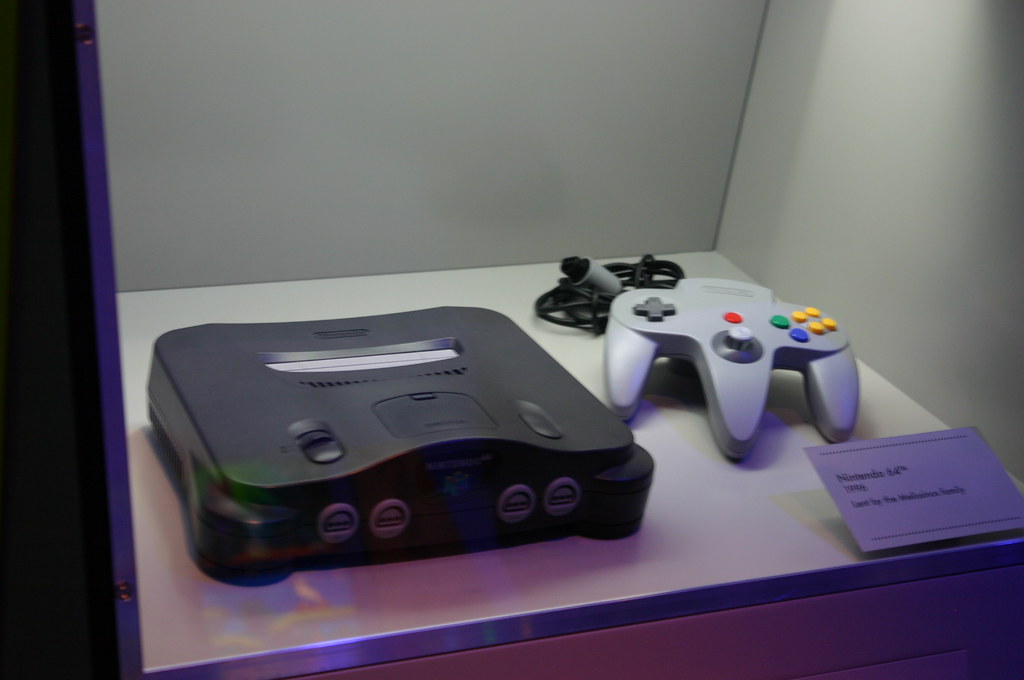
Original Nintendo 64 Console and Games
The N64 introduced a huge number of kids to 3D gaming for the first time, occupying countless living rooms until newer consoles eventually took its place in the entertainment center. Once replaced, these systems typically got sold at garage sales, donated, or simply left in a closet as technology moved on. Retro gaming has become a substantial collecting hobby, and a complete original N64 setup with controllers and cables can sell for a couple hundred dollars or more depending on condition. A dusty console pulled from storage is worth testing before it’s assumed to be worthless.
Tamagotchi Virtual Pets
These small egg-shaped digital pets demanded constant attention, feeding and cleaning schedules that made owning one feel like a genuine responsibility rather than just a toy. Once the novelty wore off and batteries died, most got tossed in a junk drawer or thrown away entirely, considered disposable electronic fads. Original units in working condition, especially with their original packaging, have become a genuine nostalgia purchase for adults who owned one the first time around. A forgotten Tamagotchi in a drawer is worth checking before it’s assumed to be dead for good.
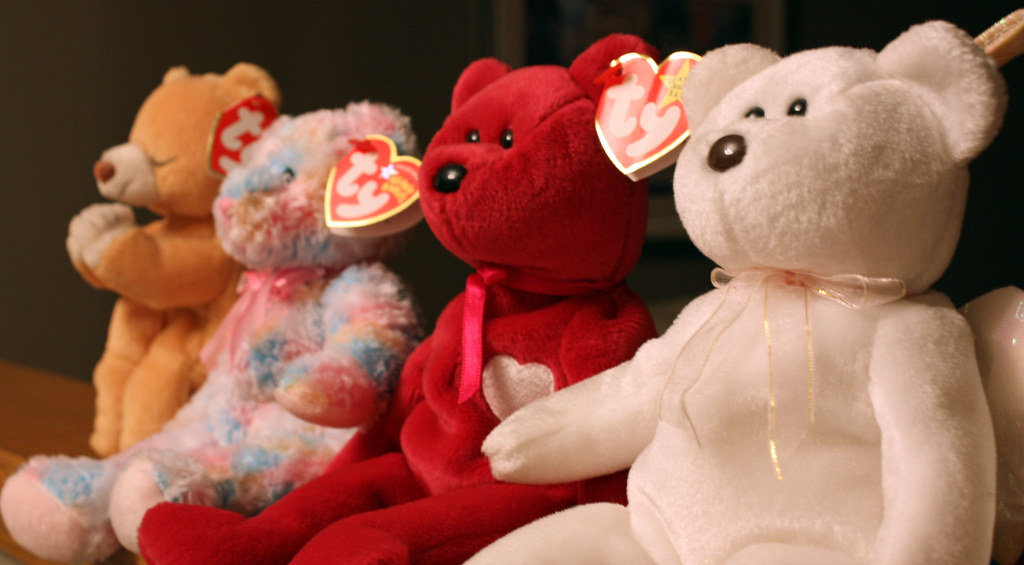
Beanie Babies
Millions of these small beanbag animals were bought and carefully preserved with tags intact, driven by genuine belief that they’d become valuable investments down the road. Most turned out to be far more common than collectors at the time realized, which tanked resale value for the vast majority of them. A small number of specific, genuinely limited early releases have retained real collector interest, though identifying them requires checking specific tag and production details rather than assuming rarity. A box of Beanie Babies is worth a careful sort rather than an automatic trip to donation.
Pogs and Slammers
These small cardboard discs, played in a simple flipping game with a heavier slammer piece, were a genuine playground craze that spread through schools nationwide. Once the trend faded, most collections got scattered, lost, or thrown away entirely, treated as disposable playground currency rather than anything worth keeping. Complete sets, especially ones tied to specific licensed characters or limited promotional runs, have become a genuine nostalgia collectible for adults who played with them as kids. An old tube of pogs found in a closet is a direct time capsule of playground culture.
Nokia Brick Phones
These sturdy, nearly indestructible phones were many people’s first introduction to mobile technology, valued for battery life and durability rather than sleek design. As smartphones took over completely, these older phones became instantly obsolete, and most got tossed in a drawer or thrown away once a carrier upgrade came through. Their retro tech appeal and genuine durability have made them a favorite among collectors of vintage electronics and anyone nostalgic for a simpler phone experience. A working brick phone found in storage is a fully functional piece of technology history.
Sealed VHS Tapes
Home video collections built up throughout the decade, especially Disney titles that families bought to keep on hand for repeat viewings. As DVDs and then streaming took over, most VHS collections got donated, sold in bulk, or thrown away entirely once tape players stopped being standard equipment. Certain releases, especially early pressings still factory-sealed and never opened, have developed a genuine collector following among people nostalgic for physical media. A box of old tapes in a basement is worth checking for unopened, early releases before being written off as clutter.
Trapper Keeper Binders
These snap-close binders with bold, often licensed graphic covers were a genuine status symbol in school hallways, chosen as much for the design on the front as for their actual organizational function. Once school supplies moved on to newer trends, most got tossed out at the end of the school year or during a later move. Well-preserved originals, especially with distinctive or licensed cover art, have become a genuine nostalgia collectible for adults who remember carrying one to class. A Trapper Keeper found in an old box of school supplies is worth a second look before recycling.
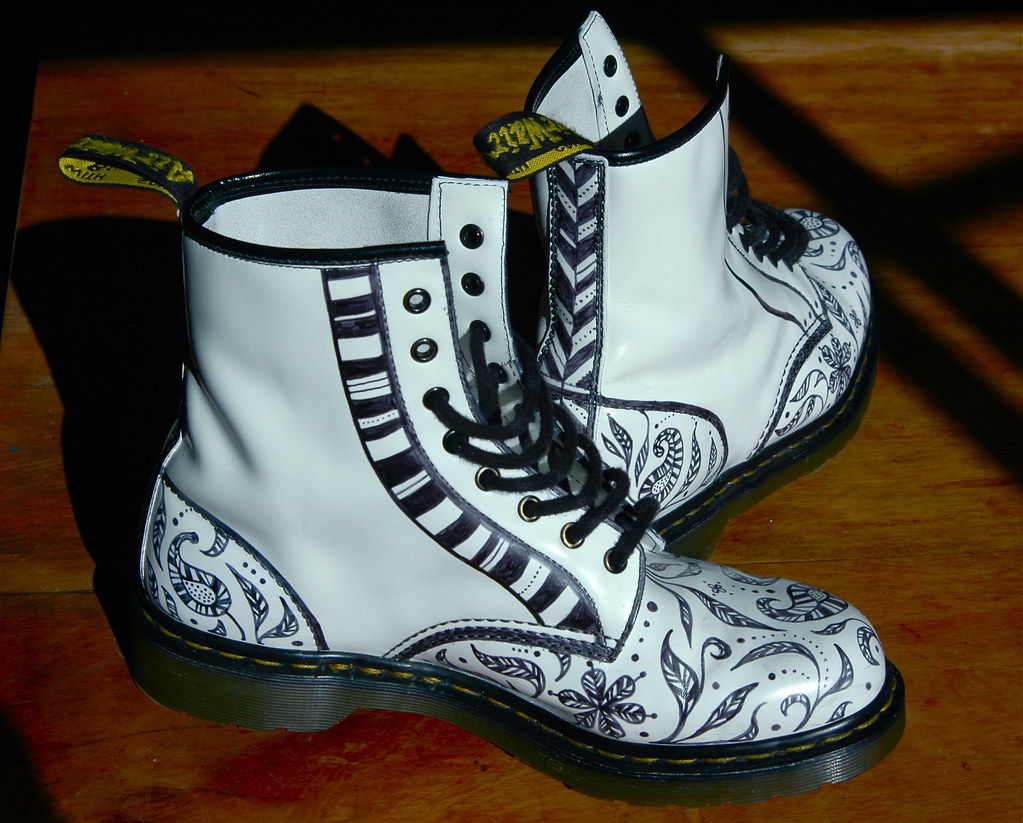
Doc Martens Boots
These sturdy leather boots, recognizable by their yellow stitching and air-cushioned soles, were a defining footwear choice throughout the decade across multiple subcultures. As trends shifted, plenty of pairs got worn down, donated, or replaced entirely once the style temporarily fell out of favor. The boots have cycled back into consistent fashion relevance, and vintage pairs in good condition, especially made in specific manufacturing eras, are sought after by collectors who value the original construction quality. A well-kept pair pulled from a closet has real wearable value beyond nostalgia.
’90s Concert and Tour T-Shirts
Shirts bought at concerts throughout the decade got worn until soft, then eventually relegated to a drawer of old clothes once they stopped fitting the current wardrobe. Original tour merchandise from the era, especially printed on heavier cotton no longer commonly used, has become a genuine target for vintage clothing collectors and resellers. Specific tour dates and city listings printed on the back help collectors authenticate and date individual shirts precisely. An old concert shirt buried in storage is worth a second look before it gets donated or cut into rags.
Game Boy Color and Pokémon Cards
Handheld gaming consoles and trading cards from this era defined an entire childhood obsession, traded and played with constantly on playgrounds and school buses. Most cards and consoles got worn out, lost, or scattered over the years as kids moved on to newer interests. Both categories have become genuinely significant collecting hobbies, with certain rare cards and well-preserved consoles commanding serious attention from dedicated collectors. An old collection stored in a shoebox deserves a proper sort rather than an assumption that time diminished its appeal.
Lisa Frank School Supplies
Brightly colored folders, stickers, and notebooks featuring rainbow-saturated animal designs were a genuine must-have for a generation of schoolkids. Most of these supplies got used up, thrown away, or discarded at the end of a school year without a second thought. Well-preserved examples, especially unused folders and sticker sheets, have become a genuine nostalgia collectible for adults drawn back to the bold, maximalist designs of their childhood. A stash of old Lisa Frank supplies found in storage is a small but genuine piece of that era’s visual culture.
Jelly Sandals and Scrunchies
These simple, colorful accessories were everywhere throughout the decade, cheap enough to buy in bulk and casual enough to wear with almost anything. Once fashion moved on, most got thrown away or lost entirely, treated as disposable rather than anything worth keeping. Both have cycled back into genuine fashion relevance more than once since, with vintage originals sought after by collectors specifically for their authentic materials and colors. A drawer of old scrunchies or a forgotten pair of jellies is a small but real piece of era-specific style.

Leave a Reply