

Walk into almost any American home in 1960 and you would find the same handful of things. A television glowing in the living room. A phone with a dial. A kitchen table where everything happened.
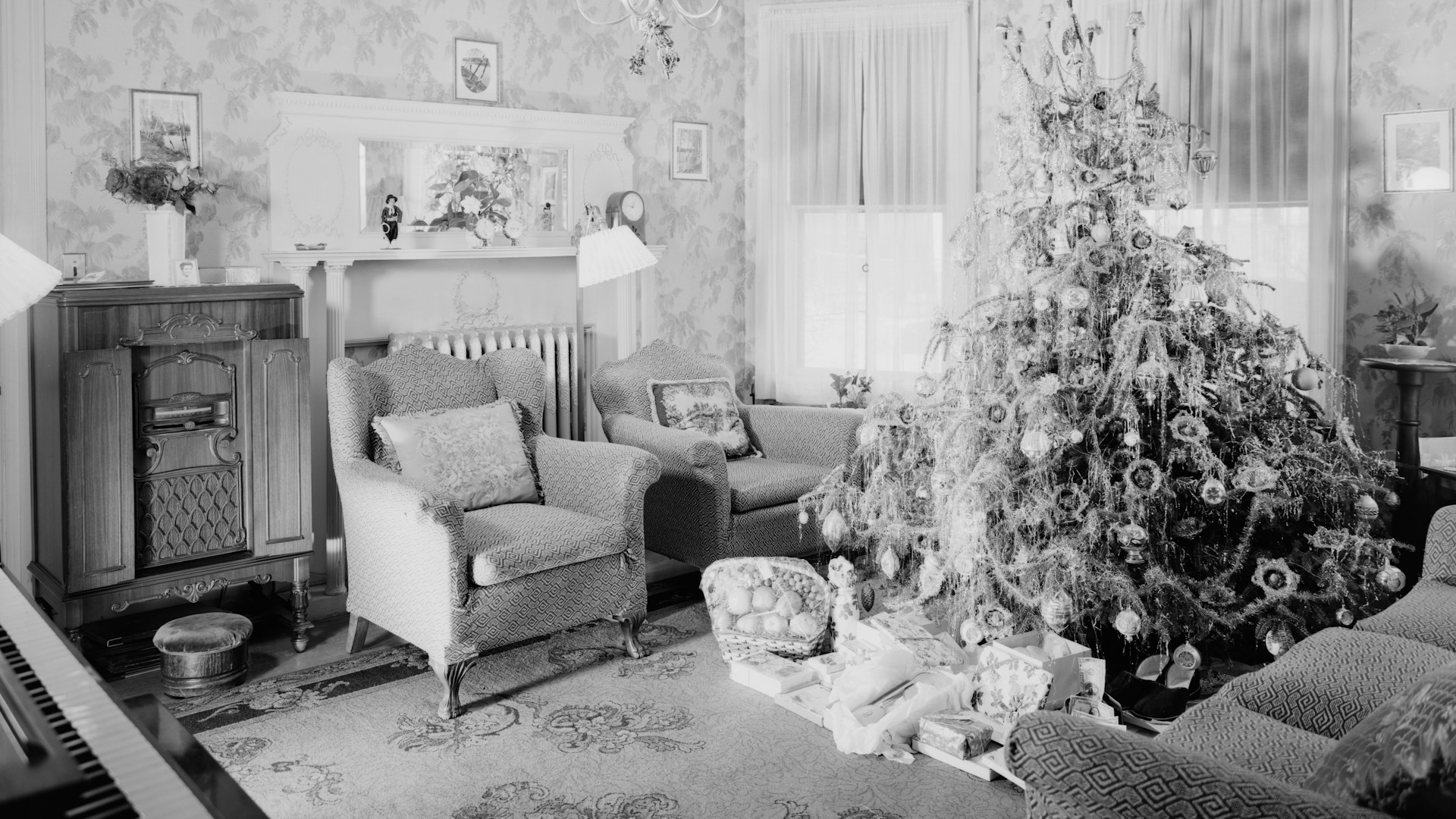
Cheapism’s August 2026 feature on 12 things families almost always had in their homes in the 60s brings that world back, drawing on the 1960 Census and collections at the Smithsonian. Here is the tour, item by item.
Cheapism’s phrase is “almost always,” and it is a fair one, since not every family had every item. Where the source says so, we note it.
The Television Set Was In More Homes Than Cars Or Telephones
By 1960, according to Cheapism, more than 46 million U.S. housing units had at least one television. That put TVs in more households than automobiles or telephones.
Families usually had one set in the living room, and somebody had to get up to adjust the knob and the antenna.
The Rotary Phone Often Lived In The Kitchen Or Hallway
Most homes had a rotary phone, often in the kitchen or hallway. Designs included Western Electric’s Model 500 and the Princess phone, which the Smithsonian dates to around 1960.
Shared extensions meant less privacy, so every teenager remembers stretching the cord as far around a corner as it would go.
The Radio Kept The Kitchen Company
The 1960 Census asked households how many working radios they had, not counting the one in the car. Kitchen radios provided news and music while dinner was cooked.
Transistor radios gave younger listeners more independence, as Cheapism notes.
The Record Player Ranged From Portable To Giant Console
Most homes had a record player of some kind. Cheapism describes everything from portable units to large console cabinets that combined a turntable, radio, speakers and storage.
Teens often preferred the portable models, which were easy to carry from room to room.
A Set Of Encyclopedias Stood In For The Internet
Cheapism pictures a set of 16 dark blue volumes of the World Book Encyclopedia. Before search engines, a set like that was where homework questions were answered.
It sat on the bookshelf as proof that the family valued learning.
Wall-To-Wall Carpeting Covered Whole Rooms
Broadloom carpet covered entire rooms in synthetic materials, according to Cheapism. It was soft underfoot but needed regular cleaning.
Deep shag became even more popular as the 1970s approached.
The Iron And Ironing Board Were Part Of Weekly Life
Ironing was a regular household chore, done with an electric iron and a folding ironing board, often with spray starch. Cheapism notes that wrinkle-resistant fabrics later reduced the workload.
Anyone who ironed a pile of shirts on a Sunday night knows exactly how it felt.
The Sewing Machine Made Clothes And Curtains
The Smithsonian holds a Singer industrial-design archive whose strongest concentration runs from 1960 through 1977, Cheapism reports. Documentation exists for the company’s 1961 Slant-O-Matic 500.
For many families, a machine like that meant hemmed pants and homemade curtains.
The Refrigerator Door Was The Family Bulletin Board
The refrigerator did more than keep milk cold. According to Cheapism, it often served as an informal bulletin board covered with children’s drawings, shopping lists, calendars and photos.
Open the door and you got dinner, and look at the front and you got the family’s week.
The Kitchen Table Did Everything
Cheapism says the kitchen table served many purposes beyond meals, including homework, sewing, crafts and sorting bills.
It was the family office, workshop and classroom, usually all in the same afternoon.
The Clothesline Was Still Busy Because Dryers Were Not Universal
The Census questionnaire distinguished electric dryers, gas dryers and households with no dryer. Cheapism says a dryer “wasn’t something every family could count on in 1960.”
That is why a clothesline in the backyard was a common sight, and why sheets dried in the sun smelled so fresh.
The Family Photo Album Held It All Together
The Smithsonian preserves an album assembled around 1960, per Cheapism. Kodak introduced its cartridge-loading Instamatic line in 1963, and more than 50 million Instamatic cameras were produced between 1963 and 1970.
Those snapshots ended up in albums on the coffee table, ready for company.
Why This Small List Says So Much About Family Life
Nearly everything on the list was shared. One television, one phone, one record player and one kitchen table meant families spent evenings in the same rooms.
Today each person carries a screen, a phone and a library of music in a pocket. The 1960s home asked everyone to take turns, and that is what many of us miss.
It also explains why these objects turn up at flea markets and estate sales, where they are still loved by people who grew up with them.
What These 12 Things Tell Us
Put together, the list paints a home built around the family room: a screen, a phone, a radio, a record player and a table. Gadgets were fewer, but they were shared and noticed.
If you grew up in one of those houses, dig out the old album and see which of the 12 you can spot in the background of your own pictures.
More Stories You May Like
- Thrifter With A Savers Coupon Hunted For Things To Flip And Grabbed Antique Canning Jars For $2.99 For Three Plus A Heavy Cast Iron Candlestick For $7.99
- She Was Gifted A Jeweled Crystal Cat Brooch By A Designer She Had Never Heard Of Then Found Similar Ones Going For $150 Online
- Goodwill Night Trip Turns Up A Trinket Box Inside Another Trinket Box For Just $1.99 Plus A Salvation Army Stop

Leave a Reply