

It’s easy to walk past a folding table of odds and ends at an estate sale and assume everything on it is exactly what it looks like: worn-out, outdated, and destined for the dump. But estate sales are full of items that look worthless to the average shopper precisely because their value depends on details that aren’t obvious at a glance, like a maker’s mark, a rare color variant, or a production run that ended decades ago.
The shoppers who consistently walk away with something worthwhile are the ones who’ve trained themselves to look past first impressions. Here are eleven categories of estate sale items that deserve a second look before you write them off.
Costume Jewelry in a Tangled Box
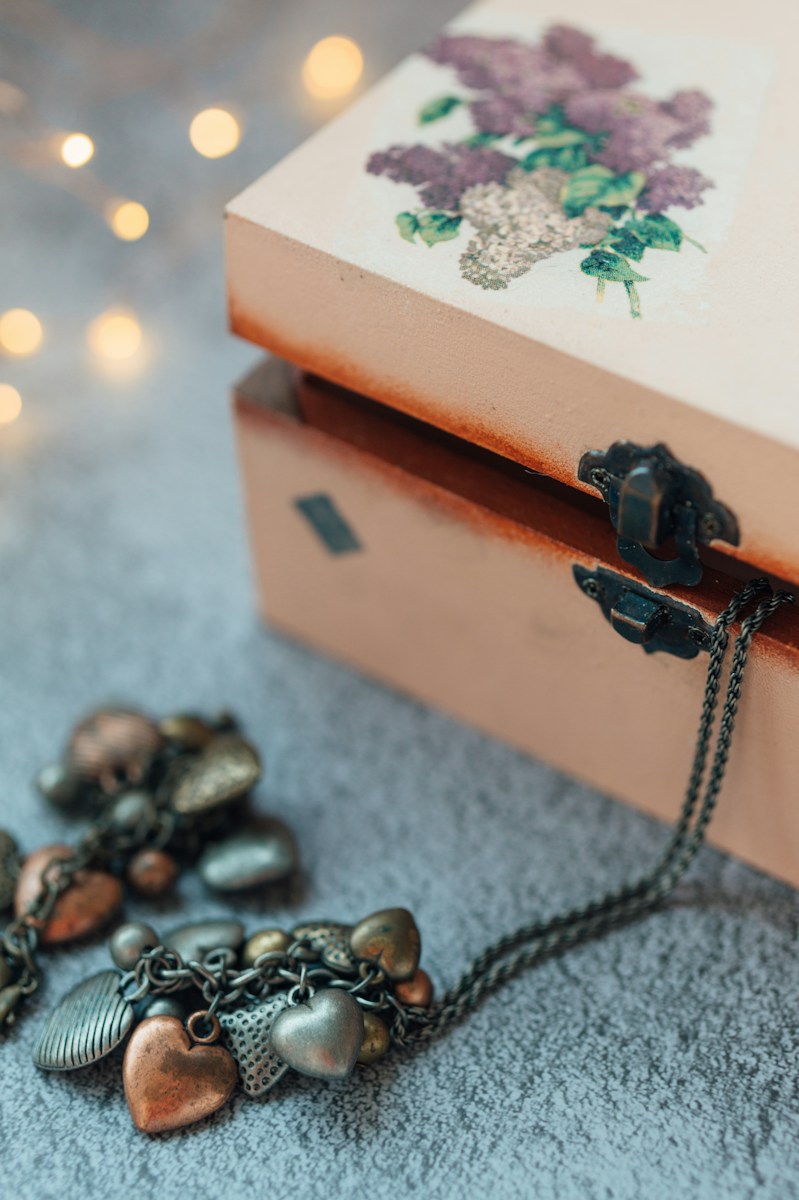
A cigar box or jewelry organizer full of tangled necklaces and mismatched earrings looks like something to skip entirely, but signed costume jewelry from mid-century designers is a genuinely active collecting category. Pieces marked by well-known costume jewelry houses, identifiable by a small signature stamped on the clasp or back, can be worth considerably more than their plastic-and-rhinestone appearance suggests. Vintage jewelry valuation guides note that signed pieces in good condition regularly sell for $20 to $150, with rare designer sets bringing significantly more. It’s always worth digging through a tangled box piece by piece rather than assuming it’s all costume filler.
Old Postcards and Correspondence
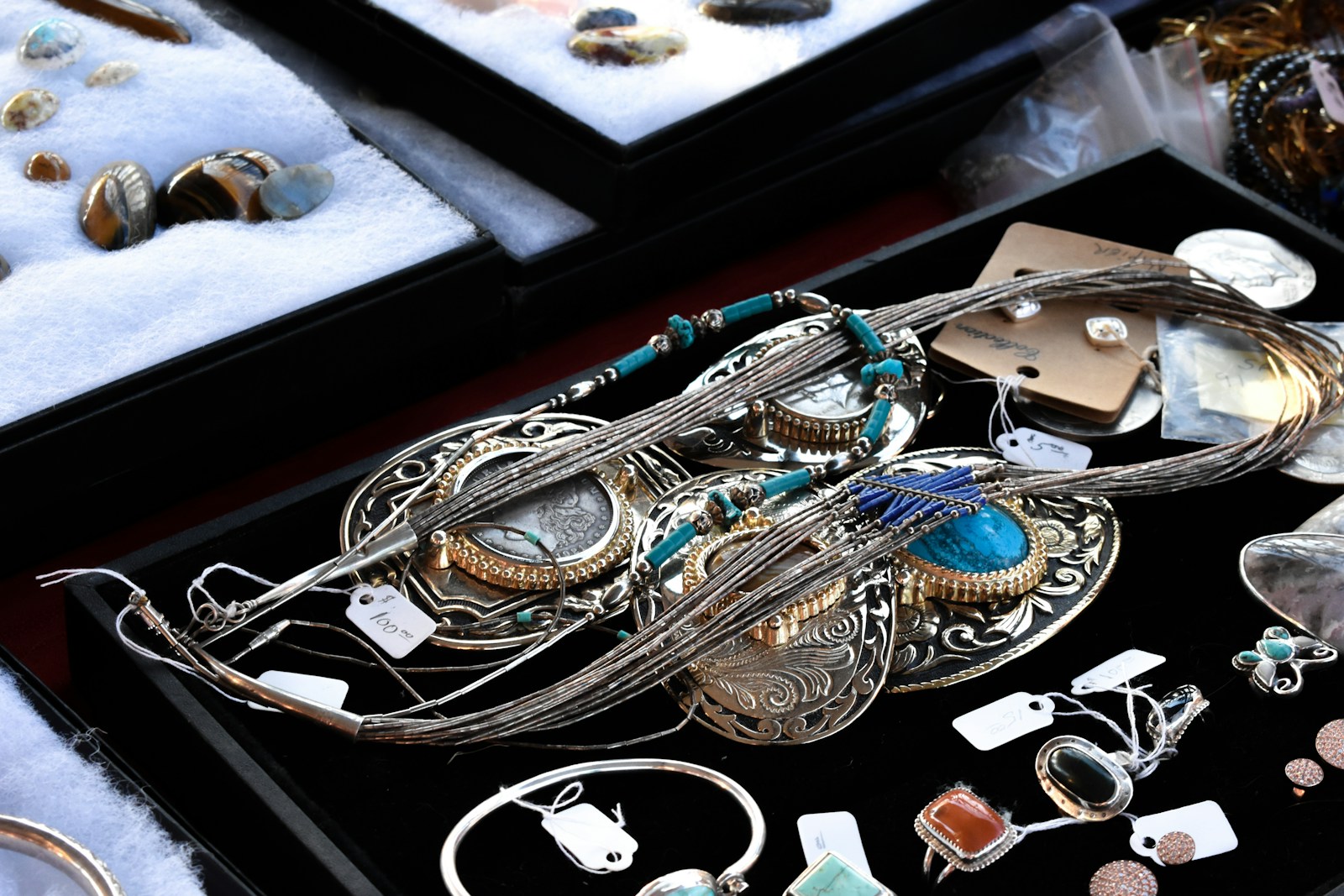
A shoebox of yellowed postcards looks like clutter to most people, but postcard collecting, sometimes called deltiology, is one of the oldest paper collecting hobbies around. Cards depicting small-town main streets, roadside attractions, or early advertising images are particularly desirable, since they document places and businesses that no longer exist. Handwritten messages on the back can add historical interest even when the image itself is common. A box that looks like nothing more than old mail is worth flipping through before it gets left behind.
Matchbook Collections
Matchbooks from defunct restaurants, hotels, and nightclubs are exactly the kind of thing that ends up in a free box because nobody thinks to look twice at them. Advertising matchbook collecting has a small but devoted following, especially for matchbooks tied to now-closed establishments with distinctive graphic design from the mid-twentieth century. They take up almost no space and cost next to nothing, which makes them one of the lowest-risk items to grab on the off chance a collector down the line finds them appealing.
Vintage Sewing Machines
A heavy cast-iron sewing machine in an ornate wooden cabinet often gets treated as furniture nobody wants to move, but antique Singer sewing machines with decorative decals and original attachments have a genuine collector base. Appraisal records for Singer machines show that while common models in working condition often sell modestly, rare early models and machines in exceptional cabinets can bring several hundred dollars or more. Even machines that no longer run can be valuable for their cabinetry and decorative ironwork alone.
Old Cameras and Camera Equipment
Boxes of old cameras, lenses, and leather cases are common at estate sales and frequently priced as a lot simply to clear them out. Mechanical film cameras from respected manufacturers, along with certain lenses that remain compatible with modern camera bodies through adapters, are actively sought by both collectors and working photographers. A camera bag that looks like dusty obsolete equipment might contain a lens that’s worth considerably more than the body it’s attached to, so it’s worth examining each piece individually rather than assessing the whole box at once.
Hand Tools with Forged Markings
A coffee can full of old hand tools looks like scrap metal to most shoppers, but tools from respected manufacturers, particularly hand planes, chisels, and specialty woodworking tools, are collected and restored by enthusiasts who value the quality of pre-industrial forging methods. Collector resources for vintage tool brands note that well-marked tools in usable or restorable condition regularly draw interest well beyond their scrap value. A little rust doesn’t disqualify a tool; it often just means it hasn’t been cleaned up yet.
Comic Books in a Cardboard Box
A stack of comic books with worn covers and yellowed pages looks like nothing more than kids’ reading material left behind, but certain issues from the Silver Age of comics, roughly the late 1950s through the 1960s, are among the most valuable pieces of American pop culture ephemera. Comic collector price guides show that key first-appearance issues in any readable condition can be worth hundreds or thousands of dollars, while even common back issues from the era often sell for meaningful sums to collectors filling out a run. Checking the cover date and issue number before assuming a box is worthless takes only a moment.
Vinyl Records in Their Original Sleeves
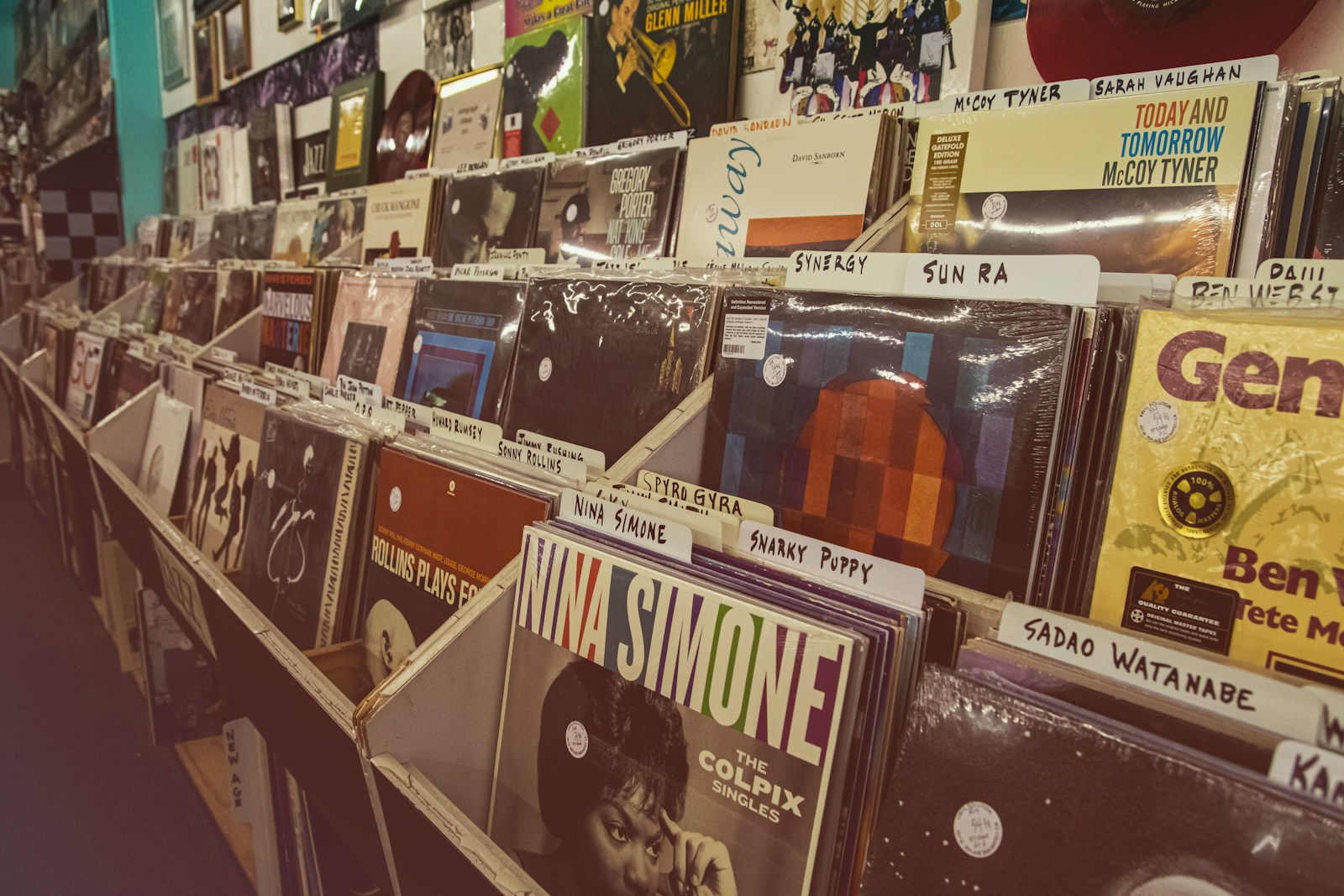
A milk crate of records looks like a relic of a format everyone abandoned decades ago, but vinyl has a thriving resale market, and certain original pressings, particularly first editions with the correct label variant, are genuinely valuable to collectors. Record price guides note that pressing details, matrix numbers, and sleeve condition all factor heavily into value, meaning two copies of the same album can be worth wildly different amounts. It’s always worth pulling a few records out to check condition rather than judging the whole crate by its top layer.
Military Memorabilia in a Drawer
Medals, patches, and old uniforms tucked into a dresser drawer are frequently overlooked because they’re small and unassuming compared to furniture and jewelry. Military collectibles, especially items tied to specific units, campaigns, or conflicts, have a dedicated collector community that values authenticity and documentation above almost anything else. Even a single medal or patch can carry meaningful historical and monetary value, particularly when it comes with paperwork identifying the original owner or unit.
Old Cookbooks and Community Recipe Collections
A stack of stained, dog-eared cookbooks looks like something to leave behind without a second thought, but community and church fundraiser cookbooks, along with early editions of well-known cookbook titles, are collected both for their recipes and as regional historical documents. Spiral-bound community cookbooks in particular were often printed in small local runs and never reprinted, making surviving copies genuinely scarce. A cookbook that looks like kitchen clutter might be the only surviving record of recipes from a specific town or church group decades ago.
Mismatched China and Serving Pieces
A single incomplete set of china often gets treated as unsellable clutter, but individual serving pieces, particularly unusual shapes like gravy boats, cake stands, and covered vegetable dishes, are frequently sought by people replacing broken pieces from their own family sets or collectors who specialize in a specific pattern. Because these pieces are sold as odd lots rather than full sets, they’re often priced far below what a buyer specifically looking for that exact piece would pay. It’s worth checking the maker’s mark on the bottom before assuming an incomplete set has no home to go to.

Leave a Reply