

Walk into almost any grandmother’s house in the 1960s, 70s, or 80s and you’d find the same cast of characters: a shelf of mismatched glass bowls, a drawer of tarnished silverware nobody used but everybody kept, and a china cabinet that only got opened on holidays. For decades, most of that stuff got boxed up, donated, or hauled straight to the curb when it came time to clean out the house. Nobody wanted brown furniture or old dishes. It felt dated, not desirable.
Fast forward to today, and a lot of that “outdated” stuff is exactly what collectors, decorators, and thrifters are digging through bins to find. The patterns, the materials, and the craftsmanship that once seemed old-fashioned now read as charming, well-made, and increasingly hard to replace. If any of these eleven things are still sitting in a closet or attic somewhere, it might be worth a second look before they head to the donation pile.
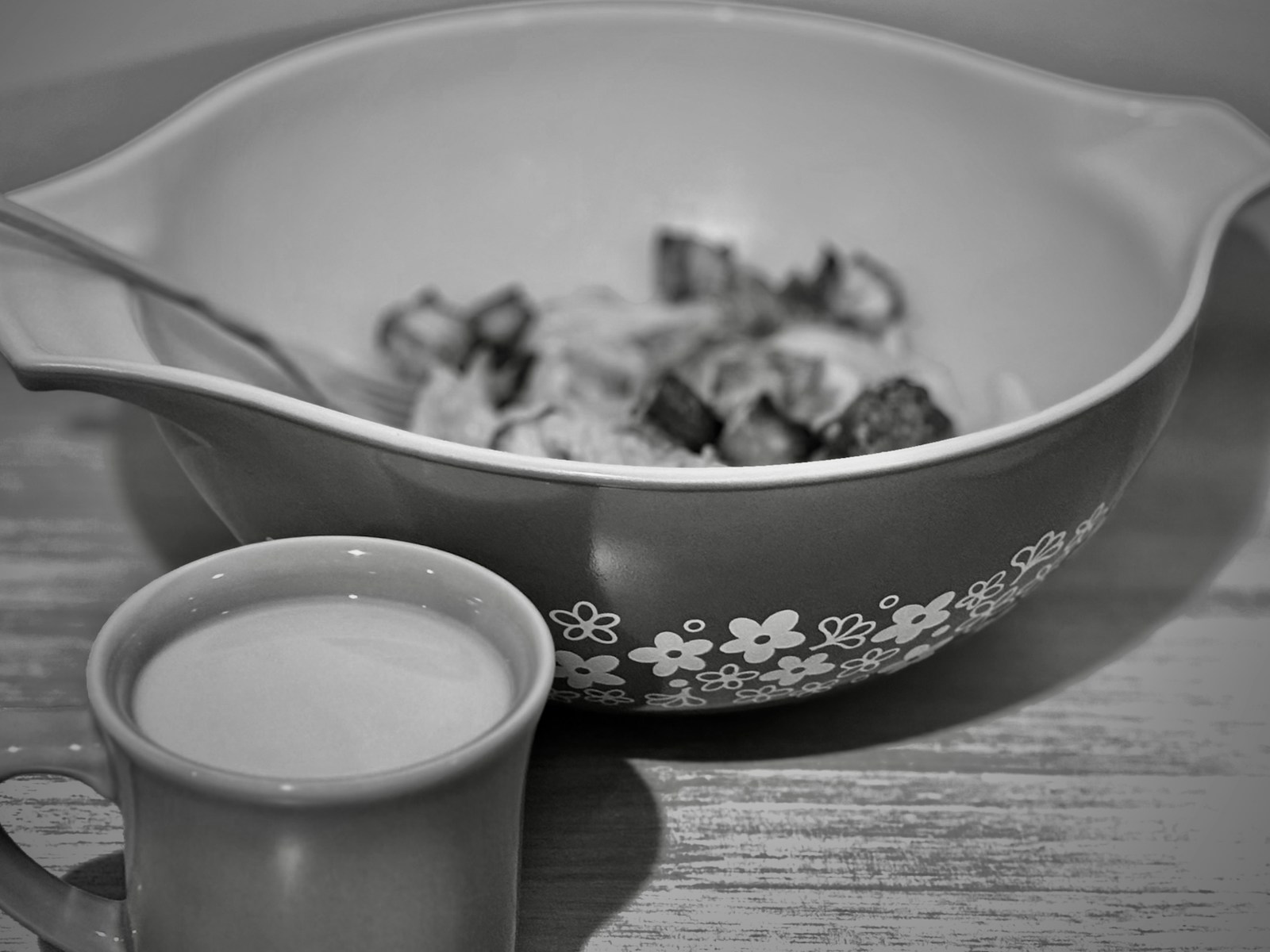
Pyrex Nesting Mixing Bowls
Almost every grandmother had a set of these primary-colored, nesting mixing bowls stacked in a cabinet, usually a little chipped from decades of cake batter and casserole prep. They were workhorses, not showpieces, which is exactly why so many got donated or sold off cheap once a grandmother’s kitchen was cleared out. Collectors now hunt specific patterns and colorways with real intensity, since Pyrex stopped making most of these designs decades ago and only a limited number survived in good condition. Common solid-color bowls are still affordable, but the harder-to-find patterned sets can sell for several hundred to well over a thousand dollars depending on the pattern and condition. If a set is still in the family, it’s worth checking the pattern name before it goes anywhere.
Fire-King Jadeite Dishware
That soft, opaque green kitchenware wasn’t originally sold as a collectible at all. It was inexpensive restaurant-grade and everyday dinnerware from the mid-20th century, the kind of thing grandma bought because it was cheap and durable, not because it was pretty. Jadeite has since become one of the most sought-after vintage kitchenware categories around, prized for its color and its Depression-era and postwar nostalgia. Common mugs and plates are still reasonably priced, but rarer patterns, restaurant ware pieces, and boxed sets have climbed dramatically, with some rare pieces selling for over a thousand dollars. It’s one of the easiest vintage finds to spot in a cabinet, since the milky jade-green color doesn’t look like much else.
Cast Iron Skillets
Every grandmother seemed to have at least one heavy, black skillet that never left the stovetop, seasoned by decades of frying and passed down like a family heirloom because, in a lot of houses, it was one. Vintage American cast iron, especially pieces made by companies like Griswold and Wagner before manufacturing shifted, is lighter, smoother, and more evenly cast than most modern cookware. Once these companies stopped production, the supply of original pieces was fixed, and interest from collectors and home cooks alike has only grown. Depending on the maker, size, and condition, early Griswold skillets can sell for several hundred to a few thousand dollars. A skillet with a faded logo on the handle is worth flipping over before it’s tossed.
Depression Glass
Named for the era it was mass-produced in, Depression glass was originally given away free with cereal, flour, and movie tickets, which is exactly why it ended up in nearly every household for a generation. The pink, green, and amber pressed-glass patterns were never meant to be precious, but decades later the surviving pieces, especially complete sets and rarer colors, have become genuinely desirable among collectors. Prices vary enormously by pattern and piece, with everyday cups and saucers staying affordable while rarer serving pieces and pitchers can bring in tens to low hundreds of dollars each. A full set in a hutch is worth researching before it’s split up or donated.
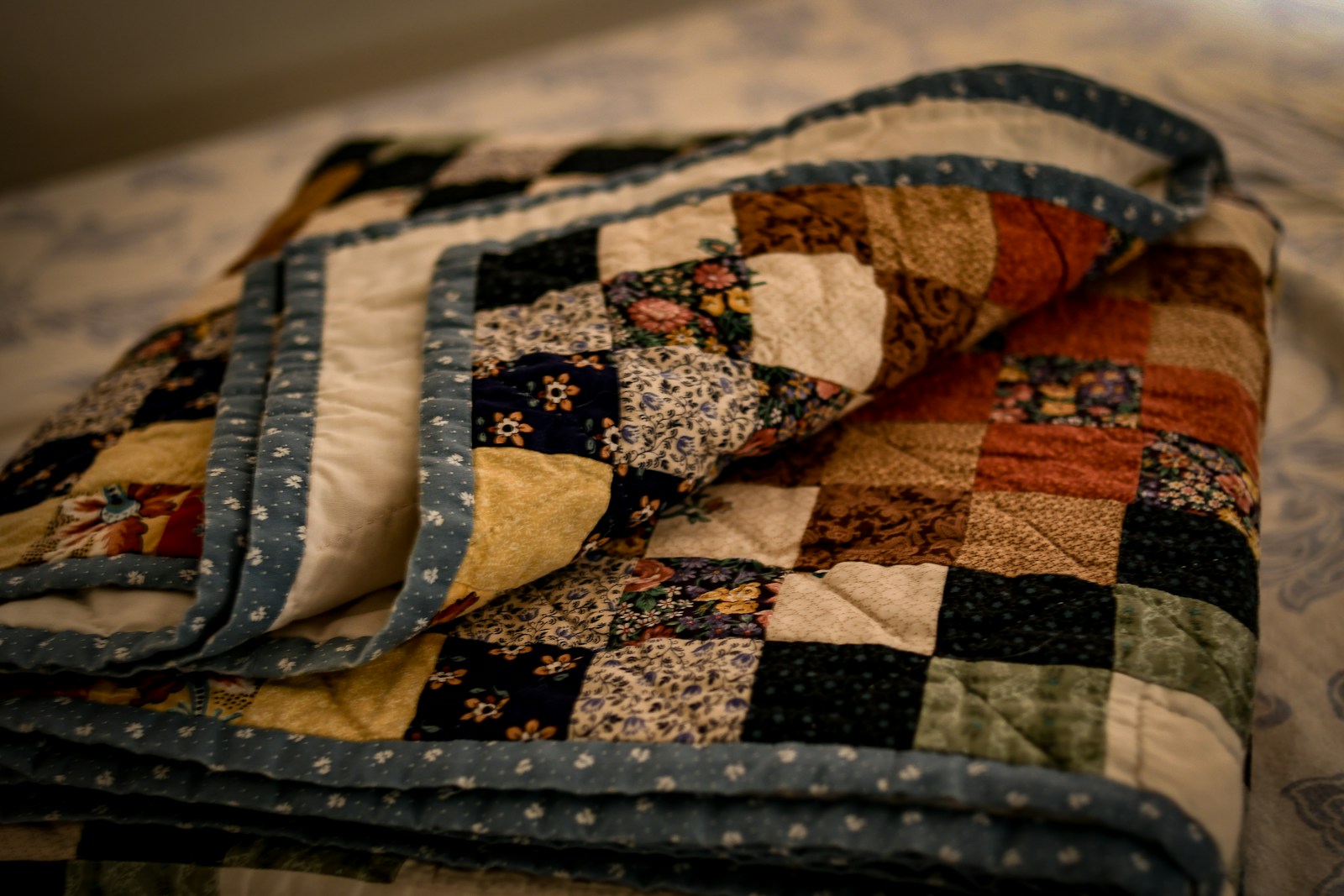
Hand-Stitched Quilts
Before quilts were a decorating trend, they were simply how a family stayed warm and used up fabric scraps that were too good to throw away. Grandmothers pieced them by hand over months, often using patterns passed down from their own mothers, and the result was something functional that also carried a family’s history in its stitching. These quilts got relegated to cedar chests and linen closets for decades, considered too old-fashioned for a modern bedroom. Now they’re prized as textile art, valued for the hours of hand-stitching, the fabric history, and the fact that nobody makes them this way anymore. A well-preserved antique quilt in a strong pattern is a genuine keepsake, whether or not it ever changes hands.
Console Radio-Phonograph Cabinets
Before entertainment centers, there was the console: a piece of furniture as much as an appliance, housing a radio, a record player, and sometimes a television behind polished wood doors. These were often the centerpiece of a living room, the place where a family gathered to listen to the news or spin a record after dinner. As stereo equipment shrank and got cheaper, these massive cabinets started feeling like dead weight, and plenty got left at the curb or broken down for parts. Working examples with intact veneer are increasingly hard to find, and mid-century design fans now seek them out both for the retro tech inside and as striking furniture pieces on their own.
Rotary Telephones
The heavy, satisfying click of a rotary dial is a sound an entire generation grew up with, usually from a phone bolted to a kitchen wall with a cord long enough to stretch into the next room. These phones were built to last decades, which is part of why so many survived in working condition long after they became obsolete. Once touch-tone and cordless phones took over, rotary phones went from essential to embarrassing almost overnight, and a lot of them got tossed. Now they’re a favorite decorating accent for anyone chasing a mid-century look, valued for their heft, their color options, and the fact that they still technically work.
Silver-Plate Flatware Sets
Nearly every household kept a set of formal flatware for company, usually in a wooden or velvet-lined case that only came out for holidays. These sets were a genuine investment when purchased, often given as wedding gifts, and grandmothers tended to guard them carefully even as everyday stainless steel took over daily use. When it came time to downsize, these sets often got sold for a fraction of what they were worth simply because nobody in the family used formal flatware anymore. Complete sets in recognizable patterns, especially from well-known makers, remain in demand among people who still set a formal table or collect the patterns themselves.
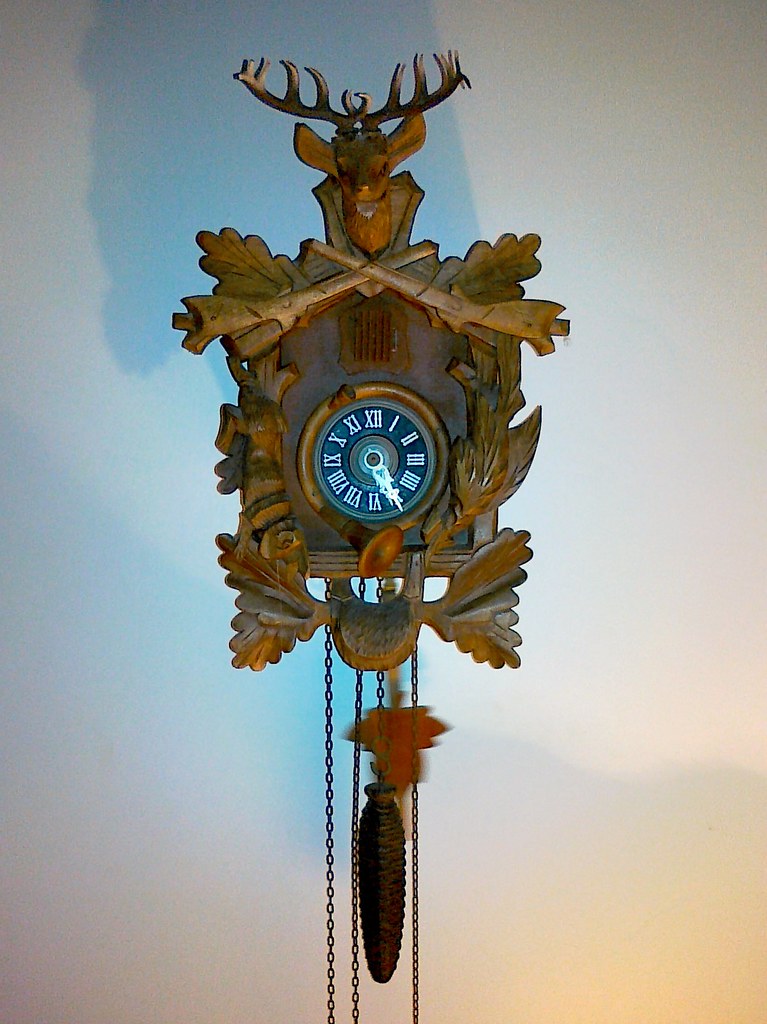
Cuckoo Clocks
A carved wooden cuckoo clock ticking away on a living room wall was practically a fixture in a certain generation’s home, often a souvenir from travel or a gift passed down through the family. The mechanical chirping bird and swinging pendulum made these clocks genuinely fascinating to watch, which is part of why so many kids remember them fondly decades later. As decorating tastes shifted toward minimalism, cuckoo clocks started to feel fussy and old-fashioned, and working ones often ended up in storage or donated outright. Well-maintained examples, especially older hand-carved ones from established clockmaking regions, are now sought after by collectors who appreciate the craftsmanship.
Embroidered Linen Tablecloths
Grandmothers kept stacks of these in a linen closet, each one hand-embroidered or crocheted along the edges, brought out for Sunday dinners and holiday gatherings. The needlework alone could take weeks to complete, and many of these pieces were made as part of a hope chest long before they ever touched a table. As tablecloths gave way to placemats and casual dining, these linens got relegated to storage, considered too delicate or too formal for everyday use. They’re now appreciated as genuine handmade textile art, valued for the labor behind them as much as the vintage look they bring to a table.
Rhinestone Costume Jewelry
Every grandmother seemed to have a jewelry box full of glittering brooches, clip earrings, and statement necklaces, most of it costume jewelry rather than fine jewelry, but no less cherished for it. Brands like Trifari made pieces with genuine design ambition, using high-quality rhinestones and detailed metalwork that held up remarkably well over decades. For a long time, costume jewelry was seen as just old lady jewelry, easy to overlook or sell off cheap at an estate sale. Signed pieces from recognized makers have become a real collecting category, with well-preserved examples selling for hundreds to well over a thousand dollars at auction.

Leave a Reply