

Open-concept living rooms and builder-grade drywall boxes had their run, and for a while it seemed like every charming quirk of an older home was destined for demolition in the name of resale value. Walls came down, nooks got flattened into hallways, and anything that didn’t maximize square footage on a listing sheet was treated as an obstacle rather than a feature. But something has shifted. Buyers are actively hunting for the very details their parents’ generation tried to renovate away, and architects are quietly reintroducing them into brand-new builds.
These eleven features, once dismissed as inefficient holdovers from another era, are now exactly what’s driving people to fall in love with a listing photo before they’ve even stepped inside.
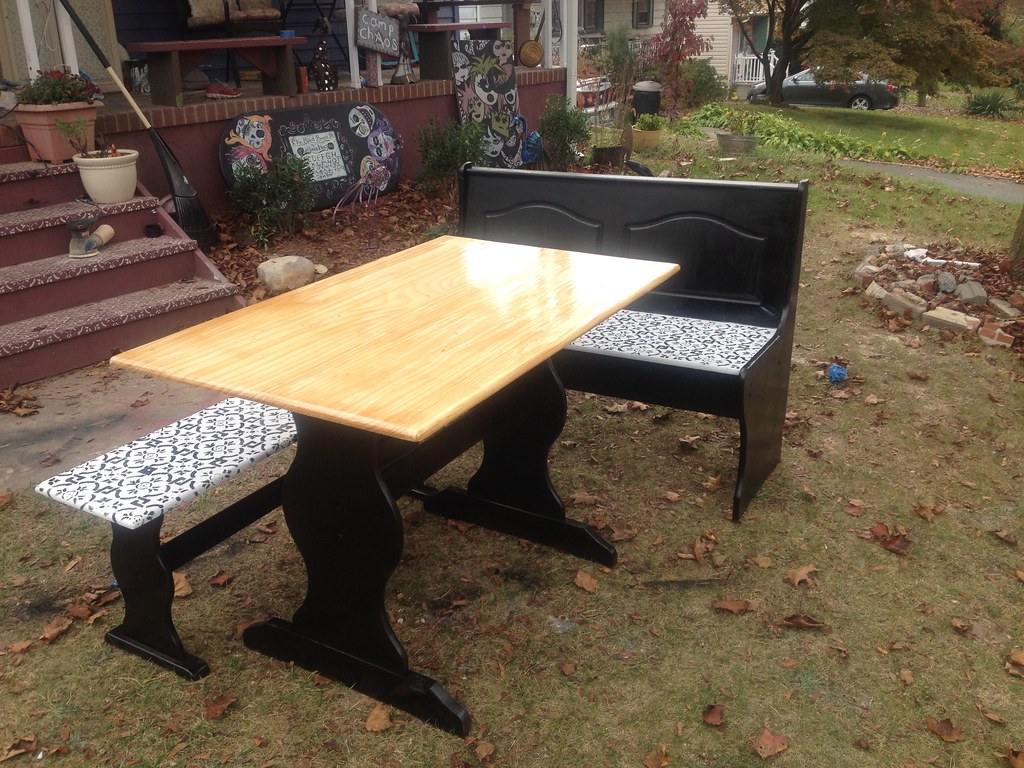
Breakfast Nooks
A built-in bench seat tucked into a sunny corner of the kitchen, wrapped around a small table, used to be a standard feature in homes built through the mid-twentieth century, offering a cozy spot for a quick meal without setting the formal dining room. Open-concept renovations spent years ripping these out to make way for larger islands and more expansive kitchen footprints, treating the nook as wasted space that could be put to better use. Now the breakfast nook has returned as one of the most requested features in kitchen renovations, prized precisely for the intimacy and built-in charm that a floating island can’t replicate. Homeowners are even retrofitting new nooks into kitchens that never had one, banquette seating and all, chasing the same cozy corner their grandparents took entirely for granted.
Built-In Bookshelves
Floor-to-ceiling built-in bookshelves flanking a fireplace or filling an entire wall of a study were a hallmark of well-appointed homes for generations, offering permanent, custom-fitted storage that felt like part of the house’s architecture rather than an afterthought. As homes shifted toward more minimalist, flexible layouts, built-ins fell out of favor in new construction, replaced by freestanding furniture that could be rearranged or removed by a future owner. The pendulum has swung back hard, with built-in shelving now treated as one of the most desirable architectural details a home can offer, prized for both its storage capacity and the sense of permanence and craftsmanship it lends a room. Original vintage built-ins, especially those with glass-front cabinets or hand-carved detailing, have become a genuine selling point for older homes rather than something buyers plan to tear out.
Clawfoot Tubs
The freestanding clawfoot tub, raised on ornate cast-iron feet, was standard bathroom equipment before built-in tub-shower combinations took over for their efficiency and easier-to-clean surround. For decades, a clawfoot tub in an older home was viewed as a fixture to be replaced rather than restored, seen as impractical and old-fashioned next to a sleek fiberglass alternative. Now it’s one of the most sought-after bathroom features in both renovations and new luxury construction, valued for its sculptural presence and the genuinely relaxing deep soak it allows in a way most modern tubs don’t match. Refinishing an original clawfoot tub, rather than replacing it, has become a common renovation goal, with reclaimed and antique tubs commanding real interest from buyers specifically hunting for the original cast-iron versions.
Sunporches
A glassed-in or screened sunporch attached to the main house gave earlier generations a transitional space between indoors and out, useful for everything from an extra sitting room to a plant-filled retreat that stayed comfortable across most of the year. Many of these got enclosed further, converted into mudrooms, or simply neglected as central air conditioning made the whole house comfortable and reduced the need for a dedicated three-season space. Sunporches are back in demand, both restored in older homes and newly built as a bridge between a home’s interior and its garden or yard, appreciated now for the natural light and flexible use that a fully enclosed addition doesn’t offer. Homebuyers touring older properties often list an intact sunporch as a genuine deciding factor rather than a feature they plan to modify.
Pocket Doors
Doors that slide neatly into a wall cavity rather than swinging open into a room were a clever space-saving solution used heavily in homes built before World War II, particularly between formal living and dining rooms that needed to be closed off or opened up depending on the occasion. As open floor plans became the dominant style, pocket doors fell out of favor entirely, and plenty of older homes had theirs removed or permanently sealed shut during a renovation. Now they’re back in favor specifically for the flexibility they offer in smaller modern homes, allowing a room to be closed off for privacy without sacrificing the floor space a swinging door would require. Restoring an original pocket door, hardware and all, has become a point of pride for owners of older homes rather than a project to skip.
Transom Windows
The small windows mounted above doors and larger windows, known as transoms, were originally installed to allow light and air to circulate through a home before central heating and air conditioning existed, letting hallways and interior rooms borrow daylight from adjacent spaces. As HVAC systems made climate control less dependent on airflow, transoms became more decorative than functional, and many were removed or painted shut during later renovations that prioritized energy efficiency over airflow. They’ve returned as a favorite architectural detail specifically for the character and natural light they add, especially in interior rooms and hallways that would otherwise feel dark and closed off. Salvaged transom windows have become popular finds at architectural salvage yards, sought out by renovators trying to add period-appropriate detail to both old and new construction alike.
Mudrooms
A small entry room specifically designed for shedding boots, coats, and outdoor gear before stepping into the main living space was standard in colder-climate homes for generations, keeping the rest of the house cleaner and better organized in the process. As homes trended toward larger, more open entryways and attached garages took over much of that transitional function, dedicated mudrooms became less common in new construction, seen as an inefficient use of square footage. The feature has made a strong comeback, especially among families, who cite the mudroom as one of the single most requested rooms in new home designs and renovations alike. Built-in cubbies, boot benches, and hooks that once felt purely utilitarian are now treated as a design opportunity rather than an afterthought tucked by the back door.
Root Cellars
Underground or partially buried storage spaces, kept naturally cool and dark for storing preserved food, root vegetables, and canned goods through the winter, were a practical necessity for households without reliable refrigeration or easy access to year-round grocery stores. Once refrigeration and supermarkets made year-round produce a given, root cellars fell out of use almost entirely, with many older homes’ cellars converted to basic storage or simply abandoned. Interest in root cellars has returned alongside the broader homesteading and home-canning revival, with some homeowners restoring existing cellars and others building new ones specifically to store a season’s harvest the old-fashioned way. The appeal now is less about necessity and more about the self-sufficiency and reduced food waste that a properly managed root cellar still genuinely delivers.
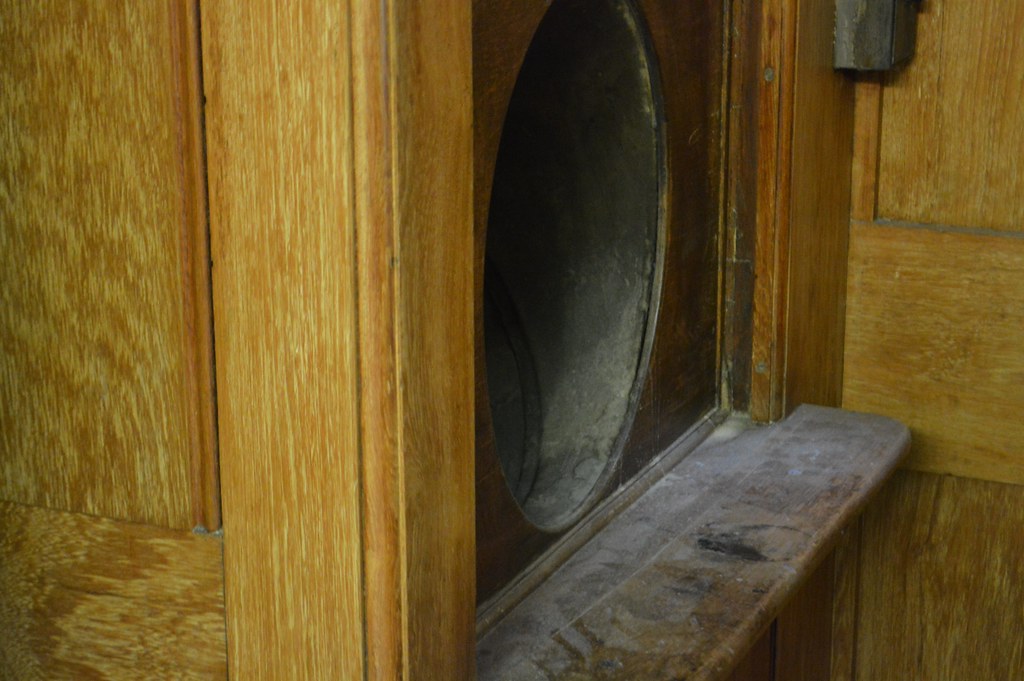
Laundry Chutes
A laundry chute, built into a wall between an upper floor and the basement or laundry room, let household members drop dirty clothes straight down rather than carrying a hamper up and down the stairs, a small convenience that was common in multi-story homes for decades. Building codes eventually tightened around laundry chutes over fire-safety concerns, and many new homes stopped including them altogether, while existing chutes in older homes were frequently sealed off during renovations. They’ve become a nostalgic and genuinely practical feature that renovators are working to reintroduce, often with updated, code-compliant materials that address the original fire-safety concerns while preserving the convenience. Finding an intact, functional laundry chute in an older home has become something of a delightful surprise for buyers who remember using one as a child.
Screened-In Porches
A wraparound or side porch enclosed in screening, rather than glass, let households enjoy the outdoors through warmer months without the mosquitoes and other bugs that came with a fully open porch, making it a genuinely functional extension of the living space for much of the year. As central air conditioning made indoor spaces more comfortable and attractive by comparison, screened porches saw less daily use and, in many cases, got enclosed into all-season rooms or removed entirely during renovations. The screened porch has come roaring back as a highly desired outdoor living feature, appreciated now specifically for the connection to fresh air and the outdoors that a fully climate-controlled home doesn’t offer. Real estate listings that highlight an original, well-maintained screened porch routinely draw extra attention from buyers hunting for exactly that kind of livable outdoor space.
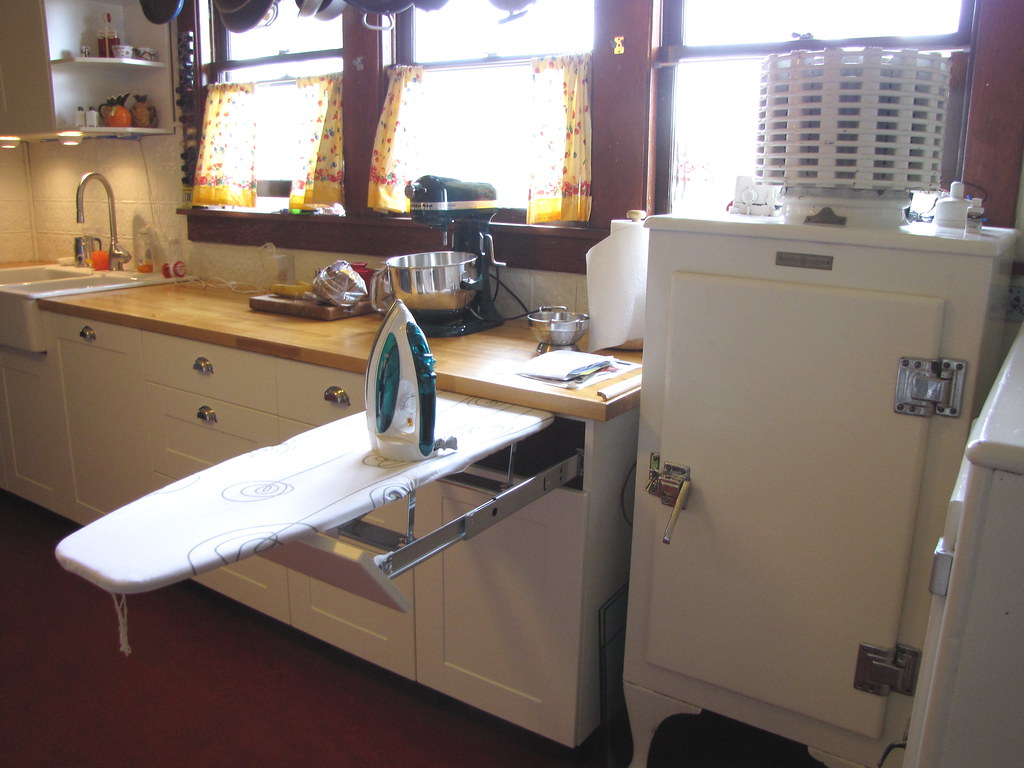
Built-In Ironing Boards
A fold-down ironing board built directly into a kitchen or hallway wall cabinet was a clever space-saving fixture in many mid-century homes, tucking away a bulky household item that would otherwise need its own closet or corner. As wrinkle-resistant fabrics became more common and ironing itself became a less frequent household task, these built-ins fell out of favor, and many were removed or repurposed into ordinary storage cabinets during later renovations. They’ve resurfaced as a charming, space-conscious detail that renovators of older homes are increasingly choosing to restore and use rather than remove, appreciating both the vintage charm and the genuinely clever use of otherwise wasted wall space. Finding one still intact and functional in an older home has become a small but genuine point of pride for owners who value that kind of built-in ingenuity.

Leave a Reply