

There’s a specific kind of regret that comes from moving, downsizing, or just wanting a fresh start, then years later realizing exactly what got left behind. It usually isn’t the obviously sentimental stuff people miss most; it’s the everyday household items that quietly did their job for decades and then got replaced by something cheaper, sleeker, or more “modern” that never quite measured up.
Ask around and you’ll hear the same handful of regrets over and over: the furniture that got sold too cheap, the appliance that actually worked better than its replacement, the collection that got scattered instead of kept together. These ten household staples top the list of things people wish they’d held onto.
Console TV and Stereo Cabinets
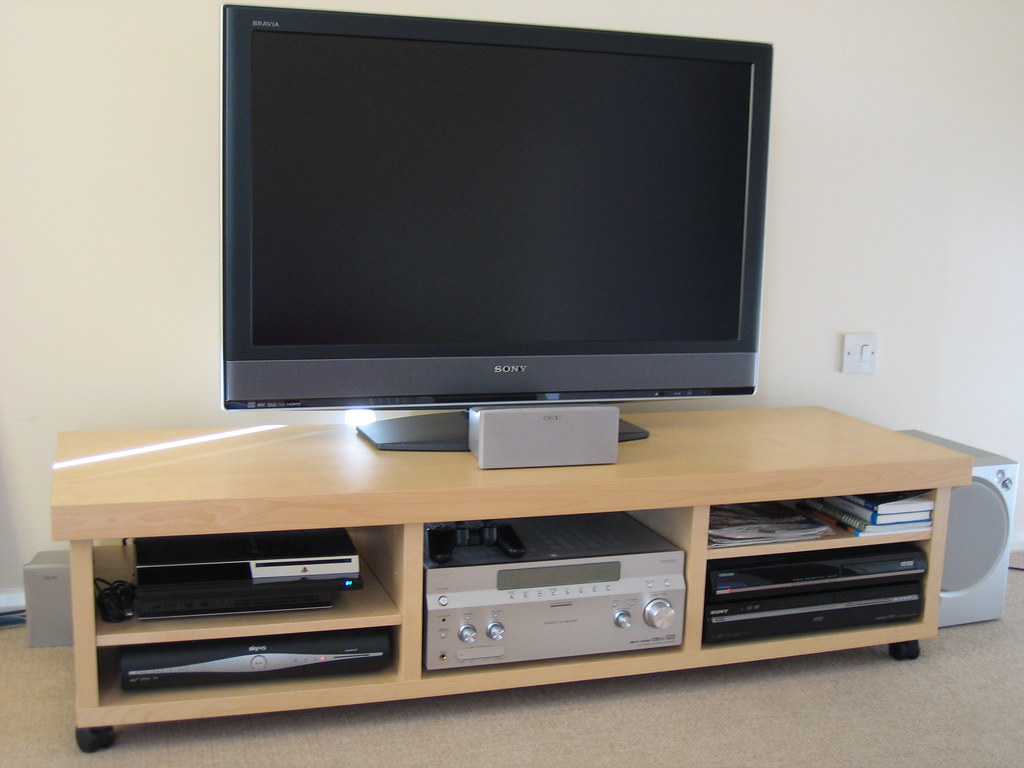
These combination furniture pieces once anchored entire living rooms, housing a television, radio, and record player behind polished wood cabinetry that was built to be a permanent fixture rather than disposable electronics. As flat screens and compact stereo systems took over, console units started to feel enormous and outdated, and a lot of genuinely well-built furniture got broken down or left at the curb. People who kept theirs, even after gutting the outdated electronics inside, often ended up with a striking piece of furniture that newer entertainment centers simply don’t match in craftsmanship or presence.
Complete Encyclopedia Sets
A full set of encyclopedias lined up on a shelf was practically a rite of passage for households with school-age kids, representing both a genuine investment and a source of family pride. Once the internet made instant research possible, these sets started to feel obsolete almost overnight, and plenty of families donated or discarded them entirely. What people miss isn’t necessarily the information inside but the physical presence of that shelf, the specific smell of the pages, and the memory of pulling a volume down for a school report. A complete, matching set has become a genuine piece of household nostalgia.
Singer Sewing Machines
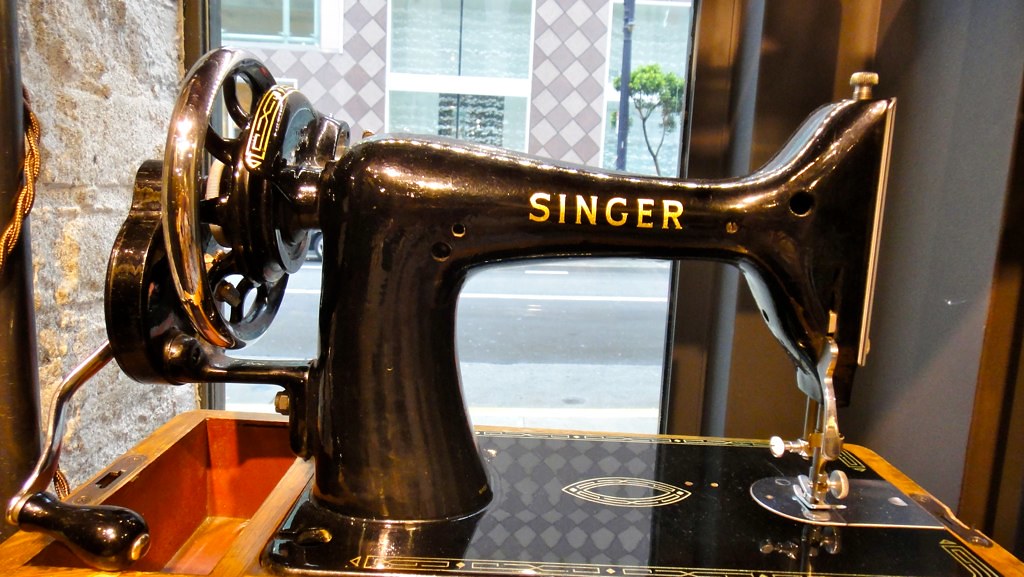
A sturdy sewing machine, often housed in its own wooden cabinet, was standard equipment in households where clothes got mended and made rather than simply replaced. These machines were mechanically simple and remarkably durable, often still functioning perfectly after decades of steady use. As home sewing became less common and machines got replaced by cheaper plastic models, a lot of these older, better-built machines got sold off or donated for a fraction of their usefulness. People who gave theirs away often find that a decades-old machine outperforms a modern budget replacement.
Rotary Telephones
The heavy click and whirring dial of a rotary phone is a specific, memorable sound that an entire generation associates with home. These phones were built to survive decades of daily use, mounted on kitchen walls or sitting on hallway tables as a fixture of the house itself. Once touch-tone and cordless phones arrived, rotary phones went from essential to obsolete almost overnight, and most got tossed without much thought. People who kept theirs, even unplugged and purely decorative, often treasure them as a tangible link to a specific, well-remembered era of home life.
Solid Wood “Brown Furniture”
Sturdy wood dressers, hutches, and dining sets, often passed down from a previous generation, fell dramatically out of style once lighter, more modern furniture took over. This furniture, sometimes dismissively called “brown furniture” by the design world, was frequently solid wood construction with dovetail joinery that far outlasts most furniture made today. A lot of it got sold for next to nothing at estate sales or simply hauled away, since demand cratered even as the actual quality remained high. People who parted with a solid, well-built piece for a modern replacement often regret the trade once the newer furniture starts to wear down.
Hand-Stitched Quilts and Crocheted Afghans
Quilts and afghans made by hand, often by a grandmother or great-grandmother, represented genuine hours of labor and a specific family history stitched into the fabric itself. As decorating trends moved toward store-bought throws and matching bedding sets, these handmade textiles often got packed away or donated during a move or downsizing. What people miss isn’t just the object but the connection to the person who made it, something no store-bought replacement can replicate. A handmade quilt or afghan, once given away, is genuinely impossible to get back in the same form.
Formal China Dinnerware Sets
A full set of formal china, often received as a wedding gift and used only for holidays, sat in cabinets for decades as a symbol of a certain kind of household milestone. As casual dining became the norm and formal entertaining declined, these sets started to feel impractical and old-fashioned, leading many people to sell or donate them during a downsizing. What often gets missed is the specific ritual of using nice dishes for special occasions, something that’s hard to recreate once a matched set has been broken up and sold piece by piece.
Vinyl Record Collections
Record collections built up over years, sometimes decades, represented a specific and personal music history that no streaming playlist can fully replicate. As CDs and then digital music took over, a lot of people sold off their entire vinyl collections for a fraction of what they’d invested in both money and time. Vinyl has since made a genuine and lasting comeback, valued for its sound quality and physical presence in a way that digital music simply doesn’t offer. People who sold their collections during the lean years for records often regret parting with albums that meant something specific to them.
Manual and Electric Typewriters
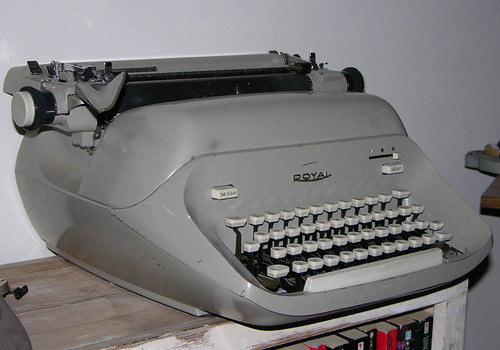
A typewriter sitting on a desk was once as essential to a household as a computer is today, used for letters, school papers, and household correspondence for years at a stretch. As personal computers took over, typewriters became obsolete almost overnight, and a lot of perfectly functional machines got donated or thrown out entirely. There’s a genuine tactile and creative appeal to typewriters that’s brought them back into favor with writers and collectors alike. People who let go of a family typewriter often wish they’d kept it as both a working machine and a piece of personal history.
Sterling Flatware Chests
A complete set of sterling silver flatware, stored in its own felt-lined wooden chest, was a genuine wedding investment for a certain generation, brought out only for the most formal occasions. As everyday stainless steel took over and formal dining became rarer, these sets often got sold off during downsizing, sometimes for far less than their actual silver content and craftsmanship warranted. The ritual of setting a table with real silver flatware is something a lot of people miss once it’s gone, along with the simple fact that a complete matched set is difficult to reassemble once it’s been sold piece by piece.

Leave a Reply