

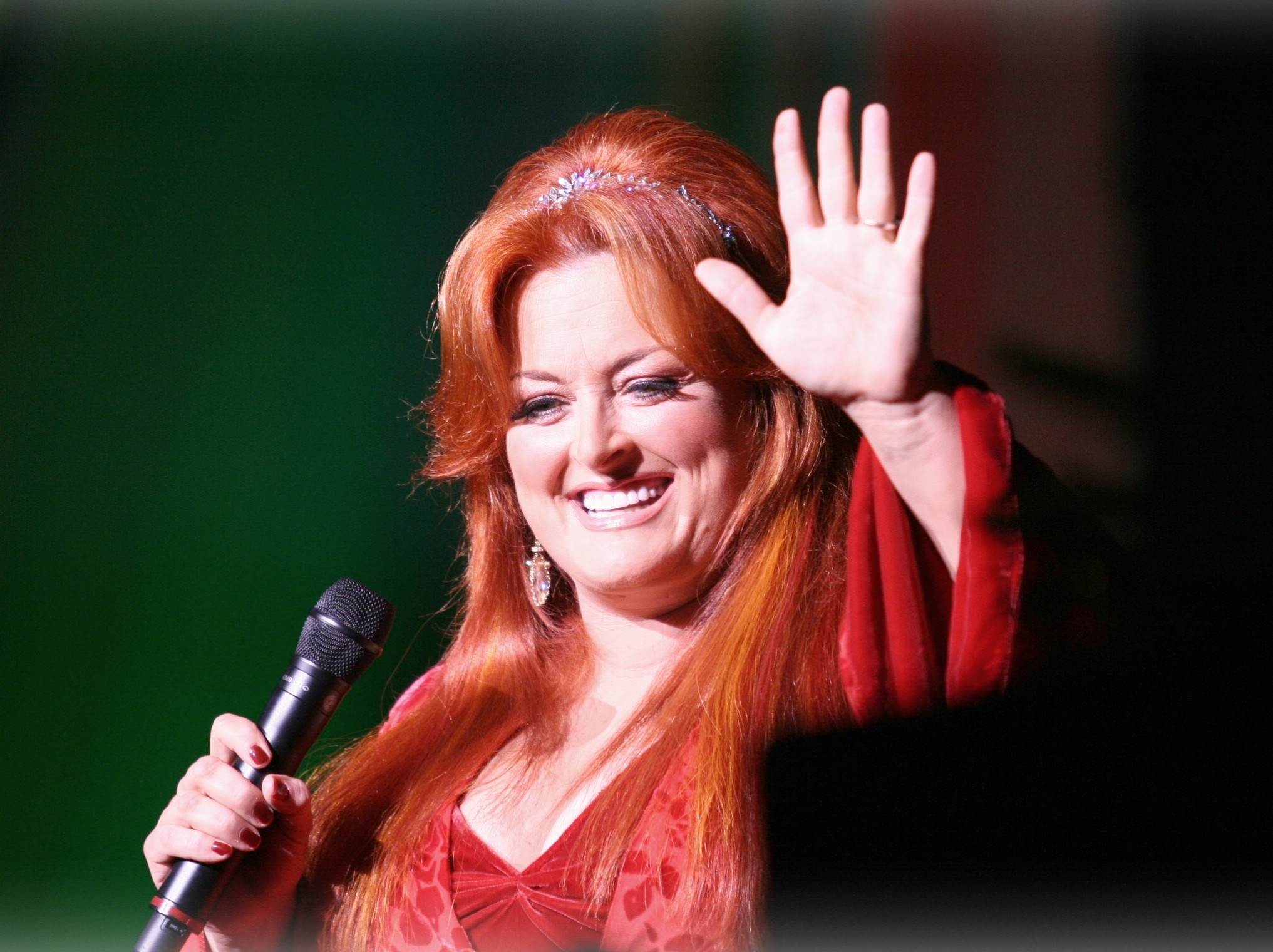
Wynonna Judd is grieving another seismic loss, paying tribute to a musical “legend” whose death has left her, in her own words, with a shattered heart. The country star’s public mourning for Bob Weir, a towering figure in American music, arrives as she is still navigating the aftershocks of her mother Naomi Judd’s death and the complicated work of carrying their shared legacy forward.
Her response to Weir’s passing is not just a celebrity condolence, it is a window into how artists who have survived profound personal tragedy lean on chosen family, memory, and the stage itself to keep going. For Wynonna, the loss of a collaborator and friend intersects with the unfinished grief of a daughter, and her words reveal how those stories have become impossible to separate.
Another Loss For A Voice Already In Mourning
Wynonna Judd’s reaction to Bob Weir’s death landed with particular force because fans know she is already carrying a heavy burden of grief. She has spoken openly about how losing her mother Naomi Judd reshaped every part of her life, from how she tours to how she marks family milestones, so the news that Weir had died at the age of 78 hit a nerve that was already exposed. When she described her heart as “shattered,” it was not the language of someone encountering loss for the first time, but of a woman who understands how grief can arrive in waves that never fully recede.
Her message framed Weir as a “legend,” but the emotional weight behind that word came from the way she tied his memory to her own story. Wynonna has been clear that music is the place where she processes pain, and the death of a friend who shared stages and songs with her is another reminder that the people who helped her survive Naomi’s absence are themselves not guaranteed to stay. That context is why her tribute resonated so deeply with fans who have watched her mourn in public and in real time.
Bob Weir’s Passing And Why It Cut So Deep
Bob Weir’s death was a major moment across the music world, not only because of his status as a guitarist, vocalist, and co founder of a pioneering band, but also because of the personal connections he forged with artists like Wynonna Judd. Reports confirmed that Weir died after a battle with lung issues, and that he was 78 when he passed, a detail that underscored how long he had been shaping American music. For Wynonna, this was not just the loss of a historic figure, it was the loss of someone who had stepped into her life at a moment of acute vulnerability.
Tributes poured in from across genres, but Wynonna’s stood out because she framed Weir’s death as a personal rupture rather than a distant headline. She emphasized the way he carried himself on and off stage, highlighting his generosity and the sense of community he created with fellow musicians. In her telling, the word “legend” did not only refer to his catalog or his role in a famous band, it captured the way he showed up for people when the spotlight was off.
“My Heart Is Shattered”: Inside Wynonna’s Tribute
When Wynonna Judd wrote that her heart was shattered, she was not reaching for dramatic effect, she was naming a feeling that fans have watched her live through repeatedly. In her remembrance of Weir, she recalled how he joined her on stage and how those performances quickly turned into something that felt like family, a detail echoed in coverage that noted how Weir stepped into her orbit. She described specific moments on stage, the way he listened, and the quiet kindness that made those collaborations feel less like guest spots and more like shared healing.
Her tribute also made clear that this was not a casual acquaintance. Wynonna spoke of favorite memories with Weir, signaling that their connection extended beyond a single tour or one off performance. By choosing to share those memories publicly, she invited fans into the private side of a relationship that had clearly become important to her, reinforcing the idea that the people who help an artist survive personal tragedy become part of their extended family, even if they come from different musical worlds.
The Incredible Gesture After Naomi Judd’s Death
One of the reasons Weir’s death “cuts different,” as Wynonna has suggested, is the way he showed up for her after Naomi Judd died. Reporting has highlighted that, in the aftermath of Naomi’s passing, Weir made an “incredible” gesture that left a lasting mark on Wynonna. While the specifics of that act are described in coverage as a deeply personal moment, the throughline is clear: he did not treat her grief as a distant news story, he treated it as a call to be present.
For Wynonna, that kind of support carried particular weight because Naomi was not only her mother but also her partner in The Judds, the duo that defined her early career. The fact that Weir stepped in with compassion at a time when she was trying to figure out how to sing without the woman who had always stood beside her on stage meant that his kindness became woven into her healing. Losing him now reopens that chapter, reminding her of both the pain of Naomi’s absence and the comfort of the people who helped her keep going.
Naomi Judd’s Shadow Over Every New Goodbye
Naomi Judd’s death by suicide on a spring day in April remains the defining loss in Wynonna’s life, and it colors every new farewell she faces. Naomi was a country icon in her own right, and the shock of her passing left fans and family grappling with unanswered questions about mental health, fame, and the pressures that come with both. For Wynonna, the grief was compounded by the fact that their relationship had always been both intimate and public, a mother daughter bond lived out on stage and in the spotlight.
That history means that when Wynonna mourns someone like Weir, she is also, in a sense, mourning the people who helped her survive Naomi’s absence. Each new loss becomes a reminder of the day everything changed, and of the work she has done since to honor her mother’s memory while also carving out her own path. The shadow of Naomi’s death is never far from view, and Wynonna’s tributes to others often circle back, implicitly or explicitly, to the lessons she learned from that first, devastating goodbye.
Marking Naomi’s 80th: A Daughter Still Asking “Why Aren’t You Here?”
Earlier this year, Wynonna Judd turned her attention back to her mother in a different way, honoring what would have been Naomi’s 80th birthday with a message that was equal parts celebration and lament. In a heartfelt note, she framed the day as an Emotional milestone, asking “Why Aren’t You Here?” in a way that captured both the ongoing ache of her absence and the gratitude she still feels for the years they had together. The phrase “Why Aren’t You Here” has become a kind of refrain for Wynonna, a question that surfaces whenever she hits a new career high or faces another loss her mother will never see.
That birthday tribute also showed how Wynonna is learning to live with grief rather than trying to outrun it. She spoke of still feeling Naomi’s presence, of sensing her mother’s influence in the choices she makes and the songs she sings. By sharing those reflections publicly, Wynonna invited fans into the ongoing conversation she is having with her mother’s memory, a conversation that now includes the pain of losing friends like Weir who understood just how deep that bond ran.
“I Still Feel Her”: How Wynonna Keeps Naomi Close
In another reflection on Naomi’s 80th, Wynonna emphasized that she “still feel[s] her,” a phrase that captures how the late singer remains an active presence in her daughter’s life. Coverage of that tribute noted that Wynonna Judd chose to mark the day not only with sadness but with stories that highlighted Naomi’s humor, strength, and stubbornness. By doing so, she signaled that remembering her mother is not just about revisiting the circumstances of her death, it is about keeping alive the full, complicated person she knew.
That approach to memory helps explain why Wynonna’s grief for Weir feels so layered. She has learned, through Naomi, that the best way to honor someone is to talk about who they were in all their dimensions, not just to recite their achievements. So when she calls Weir a legend, she is also recalling the small, human moments that made him matter to her: the way he treated her band, the conversations backstage, the support he offered when cameras were not rolling. In both cases, she is building a living archive of the people who shaped her, one story at a time.
Grief, Community, And The Role Of Musical “Family”
Wynonna Judd’s tributes to both Naomi and Weir highlight how crucial community has been in her ability to keep performing. After Naomi’s death, she leaned heavily on fellow artists, crew members, and fans who showed up at shows not just for the music but to stand with her in a shared moment of mourning. The fact that someone like Weir stepped into that circle and became part of what she has described as chosen family shows how porous the boundaries between genres and generations can be when grief is involved.
Her language around Weir, describing how he joined her on stage and quickly turned that experience into something that felt like home, underscores the idea that musical “family” is built through shared vulnerability as much as shared songs. When she now mourns him publicly, she is also reminding fans that the people they see trading verses and guitar solos are often the same people who sit together in dressing rooms talking about loss, fear, and how to keep going. That context gives her shattered heart a communal dimension, inviting listeners to see themselves in the web of support that artists create for one another.
Carrying The Legends Forward
As Wynonna Judd processes the death of Bob Weir while still honoring Naomi Judd, she is increasingly stepping into the role of bridge between eras. She is a veteran artist who has lived through the rise of country on television, the evolution of touring, and the shift to streaming, yet her recent public statements are less about industry change and more about the timeless work of remembering the people who made her who she is. By speaking so candidly about her heartbreak, she is modeling a kind of open, ongoing grief that resonates far beyond the country audience.
In calling Weir a legend and marking Naomi’s 80th with such raw honesty, Wynonna is also making a quiet promise to carry their stories forward. Every time she steps on stage, posts a tribute, or shares a memory, she is weaving their names into new chapters of music history. For fans, that means her sorrow is not just something to witness from afar, it is an invitation to think about their own losses and the ways they keep their legends, personal and public, alive.
More from Vinyl and Velvet:

Leave a Reply