

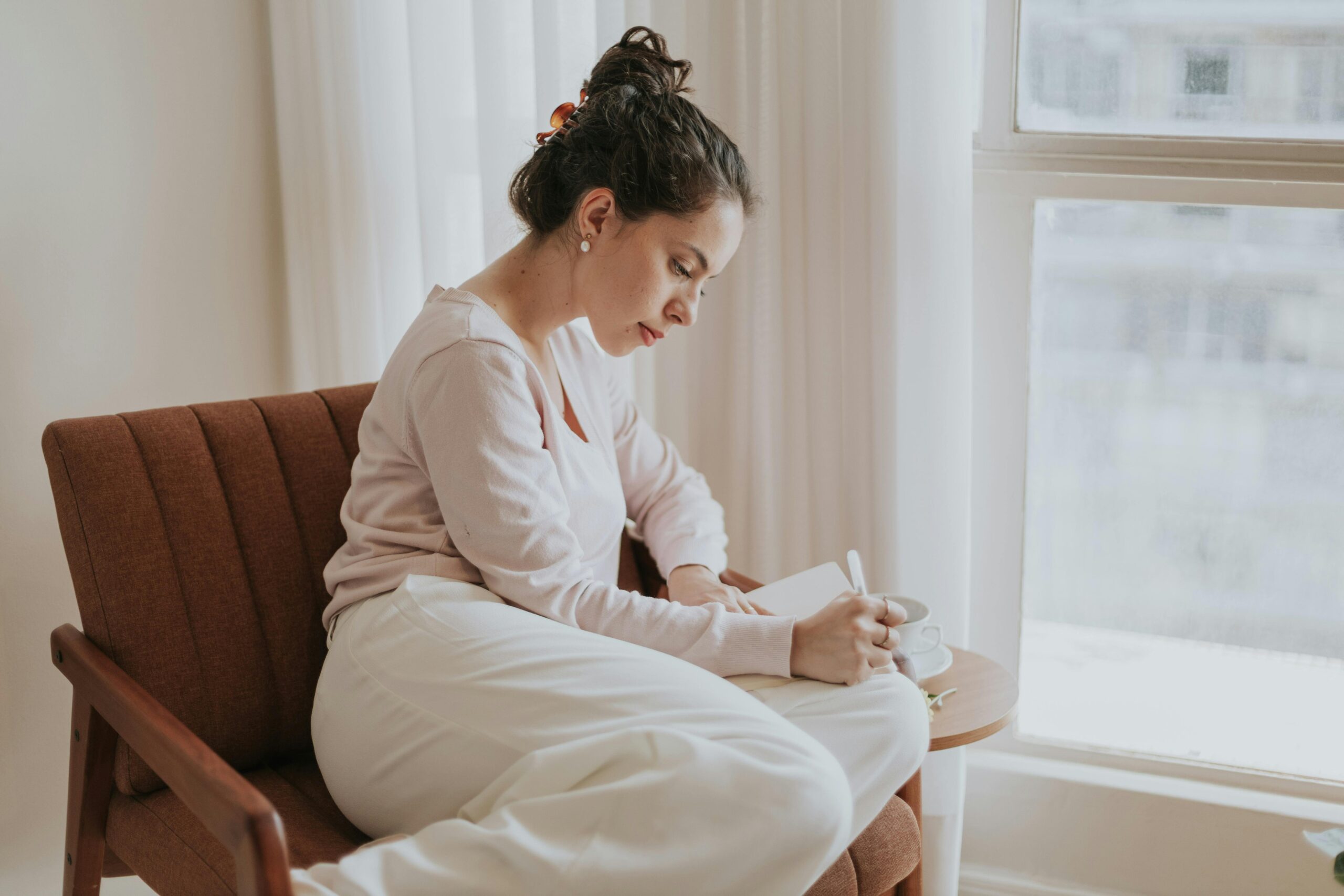
Growing up, most people pick up basic hygiene habits and everyday life skills through routine, observation, and guidance from family. But for some, those lessons never come. One woman recently shared that she reached adulthood without learning many of these fundamentals, and now, in her 30s, she’s still trying to figure things out on her own.
Her experience has sparked conversation about how much early guidance shapes independence later in life, especially when it comes to daily habits that many take for granted.

A Personal Story Shared Online Gains Attention
In a discussion on Reddit, the woman explained that her parents never taught her basic hygiene or life skills growing up, leaving her to navigate adulthood without that foundation.
She described learning things much later than expected, including routines related to cleanliness, organization, and self-care. According to her account, these were not intentional choices on her part, but rather gaps in what she was taught during childhood.
The post drew attention as others recognized how easily these gaps can go unnoticed until later in life.
Learning Skills Later in Life
Many people responding to the post shared that they had experienced something similar.
Some described having to teach themselves basic routines through trial and error, while others mentioned relying on online resources, friends, or partners to learn skills they felt they “should have known” earlier. These included everything from hygiene habits to managing a household or maintaining consistent routines.
The discussion highlighted how learning these skills later can feel isolating, especially when others assume they are already understood.
Reactions Reflect a Range of Perspectives
Responses to the story varied, with some expressing empathy and others focusing on the role of upbringing.
Several users pointed out that parenting styles and home environments can significantly affect what children learn. Others emphasized that missing these lessons does not prevent someone from developing them later, even if the process takes longer.
There was also acknowledgment that these situations are more common than people might expect.
The Role of Environment and Guidance
The conversation also touched on how environment shapes daily habits.
Without consistent guidance, children may not develop routines that later become essential for independence. Over time, this can create challenges when transitioning into adulthood, particularly when managing personal care and responsibilities.
Users noted that while these skills are often considered basic, they are still learned behaviors rather than automatic ones.
Moving Forward Without a Traditional Foundation
Despite the challenges described, the overall discussion leaned toward solutions and adaptation.
Many users encouraged focusing on gradual learning rather than comparing progress to others. Some suggested practical ways to build routines step by step, while others emphasized that learning later does not reduce the value of those skills.
The story ultimately resonated because it highlighted a less visible experience—one where adulthood involves catching up on lessons that were never taught, rather than simply building on them.
More from Vinyl and Velvet:

Leave a Reply