

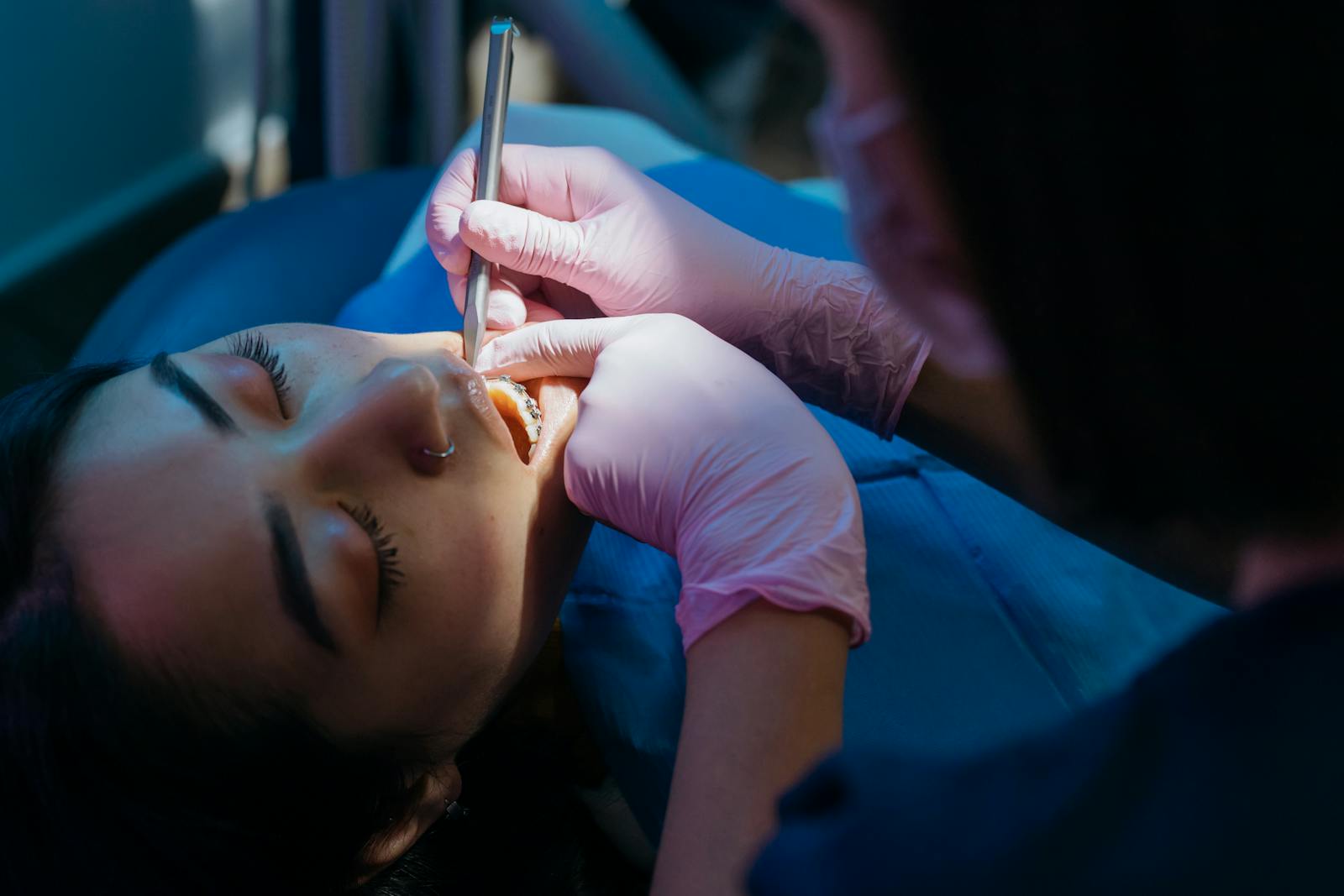
When a woman went through painful wisdom tooth surgery, her parents did not check on her, did not help her recover, and even laughed at how she looked. Later, those same parents reportedly expected her to step in as caregiver when her mother became sick. That whiplash between neglect and entitlement hits a nerve for anyone who has ever been treated as both invisible and indispensable in their own family.
Her story joins a growing pile of accounts from adults who say their parents minimized their medical needs, then demanded support when the roles reversed. Taken together, those stories sketch a pattern of emotional blind spots, uneven expectations, and adult children quietly deciding that the old family script no longer works.
When Parents Treat Surgery Like a Joke
In one account, a woman described having her upper wisdom teeth removed in her early twenties and getting almost no meaningful support from her parents. They did not take her pain seriously; instead of offering comfort, they laughed at her swollen cheeks and said she looked like a chipmunk. When she later needed to plan another dental procedure, she decided she did not want them involved at all, and turned to her boyfriend for practical help and emotional backup.
Her reaction was not about a single surgery so much as a pattern. Parents who treat a child’s medical event as comedy material send a clear message about whose comfort matters. The same dynamic shows up in another story where a poster said their mother did not bother to read the post operation instructions after wisdom tooth removal. Instead, the mother insisted her child drink through a straw even while the patient struggled with numbness and pain, a choice that flew in the face of the written guidance in the post operation manual and could have risked complications.
Wisdom Teeth Are Not “Minor” When You Are the Patient
Part of the disconnect comes from how casually some people treat wisdom tooth surgery. Viral clips of groggy patients, like the ones that have featured Russell Wilson in a funny video aside, make the whole thing look like a lighthearted rite of passage. Dental professionals, however, point out that removing wisdom teeth is no laughing matter. It involves anesthesia, pain management, bleeding, swelling, and real risks if aftercare is ignored. When parents dismiss the seriousness of the procedure, they are not just being flippant, they are gambling with their child’s recovery.
That gap between perception and reality can be brutal for the person in the chair. A patient who is doped up, sore, and dependent on others for basic tasks is in a vulnerable position. If parents treat that vulnerability as an inconvenience or a punchline, the message lands hard: your needs are an overreaction, your discomfort is entertainment, and your role is to be easy. For the woman who saw her parents laugh at her chipmunk cheeks, the dental work became a turning point. She had proof that when she was weak, they did not step up. So when they later expected her to step in for them, the memory of that swollen, unsupported recovery was right there in the background.
Neglect During Illness, Demands When They Need Help
The wisdom tooth story echoes a broader pattern in which parents downplay their adult child’s health crises, then insist on empathy and labor when they face their own. One poster described having major surgery and realizing that neither parent checked in, visited, or even asked basic follow up questions. When the child confronted the situation, Dad brushed it off and said they were just looking for an excuse to be angry and should cut people some slack. The poster recalled that neither of them had really cared, and Dad framed any hurt feelings as unreasonable.
Against that backdrop, the expectation that the same child will later become a hands on caregiver for a sick parent feels less like family solidarity and more like a one way obligation. Another account described a mother of twins who cut off contact with her own parents after they refused to help when the babies were born. When she tried to explain that their grandchildren needed their mother to survive, a relative told her she was always causing problems, always needing help, always a burden. That story, shared in a post from Feb, shows the same script: when the younger generation asks for support, they are labeled demanding, but when the older generation wants something, family duty suddenly becomes sacred.
Why Adult Children Start Setting Hard Boundaries
For many adults in these stories, the breaking point is not one bad interaction, it is the realization that the relationship has never been reciprocal. The woman who did not want her parents involved in her second wisdom tooth surgery had already watched them laugh at her pain and ignore her needs the first time. The patient whose mother ignored the post operation manual had learned that Mom would override medical advice rather than admit she had not read the instructions. The person whose major surgery went unacknowledged had heard Dad say they were just looking for an excuse to be angry. By the time those parents came asking for rides to appointments or in home care, the emotional math no longer added up.
In that context, saying no is less about revenge and more about self preservation. Adult children who refuse to take on caregiving for parents who never cared for them properly are choosing to stop repeating a script that has always left them drained. They are also moving within a wider culture of online communities where people share these experiences, compare notes, and realize they are not alone. Platforms that host stories like AITA and raisedbynarcissists operate under a formal content policy, but they also function as informal group therapy. Reading that someone else also had a parent force a straw after surgery or laugh at chipmunk cheeks can make it easier to believe that refusing new demands is not cruel, it is reasonable.
Care, Consent, and What Adult Kids Actually Owe
Underneath the drama of these posts sits a quieter question about what adult children owe their parents. Cultural scripts often say that kids must care for aging parents no matter what, but that script usually assumes those parents provided some baseline of care, safety, and respect first. When a parent has repeatedly dismissed medical pain, ignored professional instructions, or mocked vulnerability, the moral claim on their child’s future labor becomes a lot shakier. The woman whose parents skipped her recovery yet expected her to nurse a sick mother is really asking whether love can survive that kind of one sided history, and whether obligation should.
None of these stories are simple, and every family has details outsiders will never see. What they share is a pattern of adults quietly recalibrating what counts as fair. Some decide to go low contact, others negotiate limited help, and a few walk away entirely. As more of these accounts circulate, from the AITA threads that sparked Discovered debates to the accessibility guidance in AITA support pages that shape how people share them, the old assumption that children must always show up no matter how they were treated is starting to crack. For the woman with the wisdom teeth and the sick mother, that crack is where a new boundary, and maybe a healthier life, can finally start.
More from Vinyl and Velvet:

Leave a Reply