

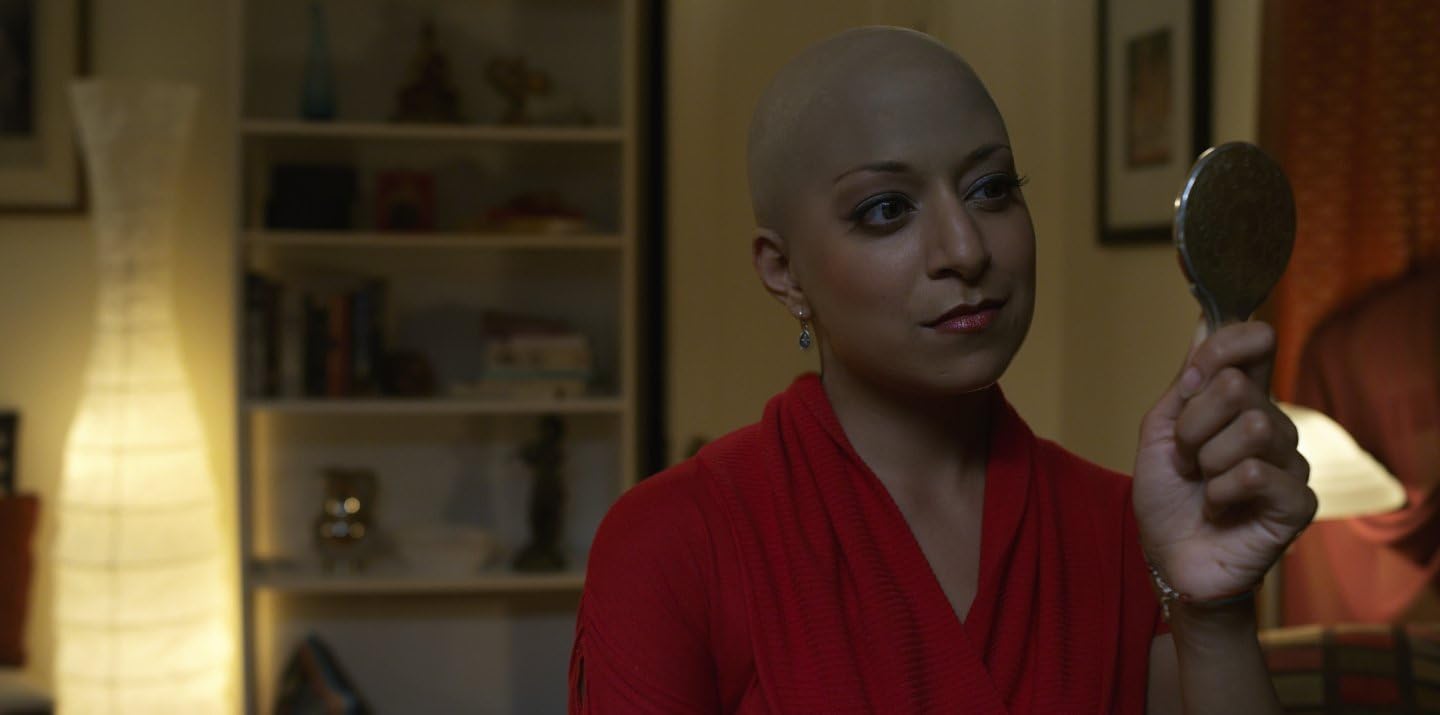
When a woman shaves her head, people expect a bold makeover, maybe a cathartic fresh start. What they rarely talk about is the social freefall that can follow, the way attention, small kindnesses and casual approval can evaporate almost overnight. One recent account of a mother who buzzed off her hair and felt herself disappear in public captures how quickly that shift can happen, and how deeply it cuts into ideas of femininity, age and worth.
Her story is not an isolated shock but part of a wider pattern. From reality TV personalities to women in chemo wards and Instagram creators, those who go bald describe a mix of freedom and loss, visibility and erasure, all tangled up in a few millimetres of hair. The result is a quiet referendum on what culture still expects a woman to look like if she wants to be seen.
The day the clippers came out
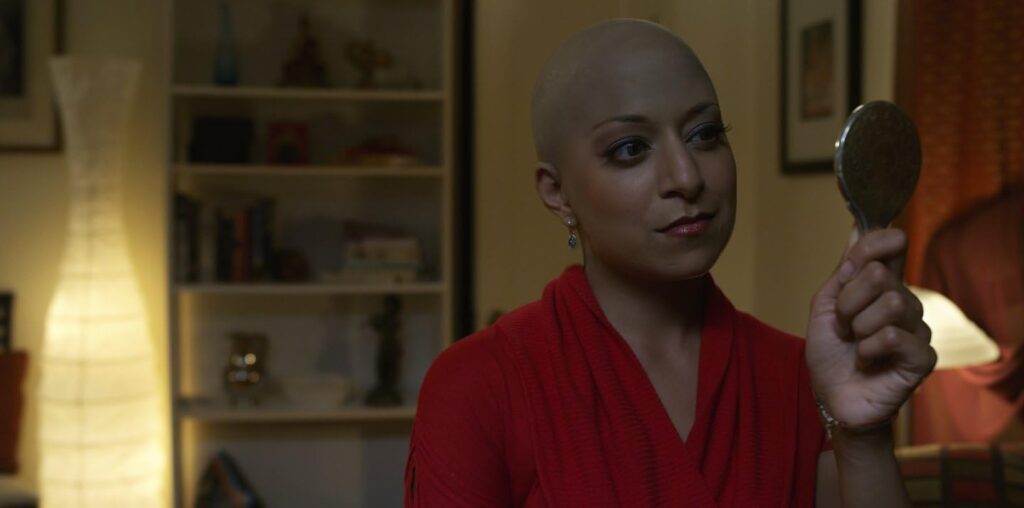
The woman at the centre of the recent account did not shave her head on a whim. She had spent years wrestling with her reflection, watching her hair thin and recede until it felt like a daily argument with the mirror. In her telling, the decision to finally take clippers to her scalp was less a stunt and more a surrender, a way to stop negotiating with every strand and simply step out of the fight. When she describes the moment the last tufts fell away, she talks about a rush of relief that sat right alongside a spike of fear, a sense that she had crossed an invisible line that polite society still polices for women, especially once they are mothers.
That mix of liberation and dread runs through her longer reflection on how shaving off her hair tipped her from being treated as a pleasantly presentable mum into what she calls a well of loneliness, a shift she traces directly to the way Strangers suddenly stopped engaging with her. In that same narrative, she is clear that the haircut itself felt right, even necessary, but the social fallout exposed how much of her previous ease in public had been propped up by conforming to a certain soft, feminine silhouette.
From helpful smiles to blank stares in 48 hours
Before the buzzcut, her days with a pram were padded with small, almost invisible acts of care. Strangers used to open doors, help lift her buggy up stairs and greet her with approving smiles that read her as a certain kind of woman, the sort who fits neatly into expectations of gentle motherhood. She remembers those interactions as background noise, the kind of social cushioning you only really notice once it is gone. After the shave, she walked into the same streets and stations and felt that cushioning vanish, replaced by people looking past her as if she had slipped out of frame.
She pinpoints the shock to a moment at the bottom of a tube station staircase, Standing with her pram and waiting for the usual offer of help that never came. In her account, it took about 48 hours for that bubble of assumed kindness to burst, and she links the change directly to how people read her shaved head as stepping outside gender norms. A related post shared on Facebook repeats her observation that Strangers used to open doors and help lift her pram, and that this easy approval evaporated once she no longer looked like the script of a conventional young mum.
How a shaved head collides with beauty rules
Her story lands so hard because it exposes how much social credit is tied up in hair length and texture. In a companion piece that runs through the same experience, she admits that Any hair length over three inches suddenly filled her with a spike of envy, as if every bob and ponytail on the street was flaunting a privilege she had just given up. She describes her new cut as having turned her into a monster, inside and out, a line that captures how quickly internalised beauty rules can twist a deliberate choice into self‑disgust once the outside world stops offering reassurance. That same account even jokes that a shaved head really is an ugly sight, not as a universal truth but as a reflection of how harshly she felt judged.
The language in that piece is raw, and it is anchored in a longer print version that repeats how Any hair over that three‑inch mark became a trigger. A second digital version of the same text underlines how this envy fed a sense that the haircut had made her a monster, with the aside that, Incidentall, a bald female head really is an ugly sight, a phrase that appears again in a separate Incidentall extract, reinforcing how deeply that judgment had sunk in.
Other women, same clippers, very different journeys
Zoom out from this one woman and a pattern starts to show up in other accounts of shaved heads. A series of interviews with nine women who took the clippers to their own hair captures a similar mix of exhaustion and relief, with one saying she told her husband she felt like just shaving it all off and being done with it, and that he fully supported her, even if the wider culture still expects a soft, long‑haired, cookie‑cutter image to be beautiful. Those conversations, collected in a gallery of women who describe what it is like to shave your head, underline how often the decision comes after years of feeling trapped by styling, damage or social pressure, rather than as a sudden rebellious whim, and they show how some women find unexpected confidence once the hair is gone.
On social media, the tone can be even more celebratory. One Instagram creator posted a reel Reminiscing as exactly a year ago today I shaved my head, using the anniversary to talk about how we live in a world that tells women their worth is measured by how they look, then tagging her clip with buzzcutcommunity, sacredfeminine and innertransformation to frame the cut as a kind of embodied healing. That post, which sits under the handle growthof_mind, is linked in a reel that highlights Reminiscing as a turning point. In another corner of the internet, a short video clip follows Jasmine Pineda from 90 Day Fiancé as she explains that she just wanted the constant war she had had with her alopecia journey and postpartum hair loss to be over, a decision she talks through in a short that treats the shave as a way to reclaim control.
When baldness is about survival, not style
For women in cancer treatment, the stakes around hair are different again. One essay by a patient describes how shaving her head during chemo made her feel unexpectedly free, especially when she walked into her cousin’s neighbourhood gathering spot and heard an older woman with a walker tell her, You look good. That moment of affirmation, captured in a piece about bare heads and hearts, shows how a bald scalp can become a visible badge of survival rather than a style choice, and how much it matters when someone meets that vulnerability with warmth instead of pity. The same account notes that the gathering spot became a place where she could show up without a wig and still feel like herself, a small but powerful reset of what counts as acceptable presentation.
That chemo story sits alongside other clips and posts that frame shaved heads as a response to illness rather than aesthetics. A separate video of Jasmine Pineda, shared in another Dec upload, repeats her point that she wanted the war with alopecia and postpartum fallout to be over, echoing the chemo patient’s desire to stop fighting with each strand. In both cases, the shave is less about making a statement to the world and more about ending a private battle, even if the result is a head that suddenly draws stares or, in the case of the invisible mother, a head that seems to erase her from the room.
More from Vinyl and Velvet:

Leave a Reply