

You’ll discover how a private crisis in 2007 nearly ended William and Kate’s relationship and how an unexpected intervention helped steer them back together. A tense breakup, an ultimatum from Catherine, and a quiet conversation with Queen Elizabeth shifted the course of their future and set the stage for the partnership you know today.
You’ll follow the key moments that led to the split, the emotional toll it took on both of them, and the slow, careful reunion that followed. Expect details about Catherine’s demand for commitment, William’s doubts, and how the Queen’s personal counsel gave him perspective.
This piece then traces how those events reshaped their bond and influenced their public roles, offering a closer look at the resilience and decisions behind a relationship that might easily have ended.
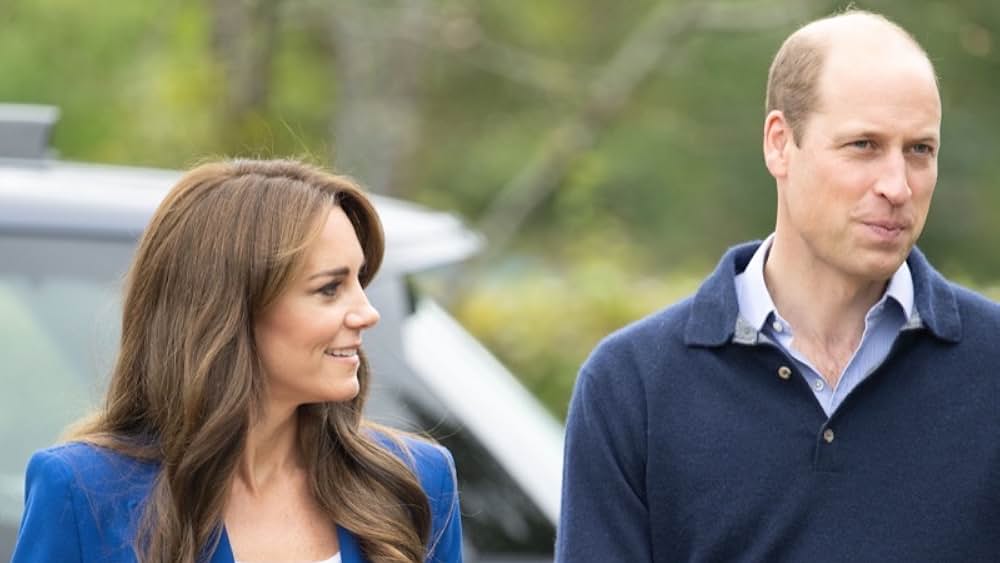
The 2007 Breakup: What Really Happened
The relationship hit a very public low in 2007 when private doubts, mounting media intrusion, and emotional ultimatums collided. Those moments tested their commitment and pulled in family figures who later helped steer the couple back together.
How Prince William and Kate Middleton Met at University of St Andrews
William and Catherine met as first-year students at the University of St Andrews in 2001. They lived in nearby halls and shared social circles; what began as friendship gradually became a romantic relationship during their undergraduate years.
Their early bond came from ordinary student life — classes, parties, and long conversations — which gave them a foundation away from official royal settings. That relative anonymity allowed Catherine to form an independent identity before the intense public scrutiny that followed.
Their St Andrews years also established the pattern of William balancing royal duty with a private life, a tension that resurfaced later when he contemplated the implications of a long-term commitment.
Kate’s Ultimatum and William’s Struggles as Future King
By early 2007, Catherine delivered a clear ultimatum: she wanted commitment or they should part ways. She felt exhausted by uncertainty and the relentless attention surrounding William’s position.
William, wrestling with the responsibilities of being the future king, told her they were “on different pages,” citing fear of losing freedom and worries about exposing her to royal life. That conversation left Catherine devastated and prompted a temporary split.
William’s hesitation reflected a deeper conflict: personal desire versus a life shaped by duty. The tension clarified the stakes for both — she wanted clarity; he needed to reconcile love with the crown’s expectations.
Media Pressure, Public Scrutiny, and ‘Character Assassination’
Intense media attention amplified the couple’s private strain. Paparazzi pursued Catherine, and intrusive coverage turned ordinary moments into headline fodder. A widely reported incident on Catherine’s 25th birthday, where photographers swarmed her outside her London flat, became emblematic of that pressure.
The relentless coverage fed rumors and hostile narratives that both found hurtful. Accounts in later reporting describe the emotional toll and uses the phrase “character assassination” to capture how tabloid stories distorted motives and behavior.
That environment heightened Catherine’s distress and contributed directly to her ultimatum, forcing both to confront whether a relationship could survive constant public attack.
Impact of the Split on Family and Friends
The 2007 breakup reverberated through their inner circle. Friends described Catherine as distraught but resolute in demanding commitment. Courtiers and family members, including senior royals, watched William struggle with the fallout.
Queen Elizabeth intervened privately, inviting William to lunch and advising him in her role as grandmother rather than monarch. That conversation reportedly prompted William to reassess his priorities and helped set the stage for their reunion.
Close friends later recalled the reunion as quiet and tentative, a slow rebuilding of trust that ultimately led to their engagement and marriage. The episode reshaped relationships around them and clarified what each expected from a future together.
Queen Elizabeth’s Quiet Support and the Couple’s Renewed Bond
The late Queen used private conversations and gentle pressure to steady William when his relationship with Catherine faltered. That intervention, followed by patient rebuilding between the two, helped shape a partnership that now balances public duties and family life.
The Queen’s Game-Changing Intervention Behind the Scenes
Queen Elizabeth invited William to Sunday lunch and spoke to him as a grandmother, not a monarch, during a low point after the 2007 split. Her calm counsel urged him to consider faith in the relationship and to weigh long-term commitment over short-term doubts.
People close to the palace say the Queen’s remark — that “the only certain path is the one supported by faith” — helped William reassess his priorities. Her private encouragement arrived at a moment when he felt “completely broken” and unsure whether to continue.
Court aides and confidants treated her involvement as pivotal because it came from familial authority rather than official pressure. That difference made it easier for William to hear and accept the message. The Queen’s discreet role reframed the relationship’s stakes without staging a public intervention.
How William and Catherine Reconnected as the Prince and Princess of Wales
Their reunion began quietly: tentative texts, cautious conversations, then a face‑to‑face at a social event where they left the crowd to talk for hours. William explained his fears about exposure and rejection; Catherine set clear expectations about commitment. That frank exchange rekindled mutual trust and set the stage for their 2011 wedding at Westminster Abbey.
As they moved into married life, both learned to navigate royal scrutiny together. Observers such as Grant Harrold and royal historians noted that transparency and shared priorities helped them present a united front. Their chemistry and friendship translated into joint public appearances — from the Royal Variety Performance to official tours — that reinforced their bond.
Building a Stronger Relationship: PDA, Family Life, and Royal Duties
Public displays shifted from guarded to measured warmth: hand‑holding on walkabouts, supportive glances during engagements, and coordinated appearances that signaled unity. Their approach balances personal affection with the decorum expected of the Prince and Princess of Wales.
Family life with Prince George, Princess Charlotte, and Prince Louis further consolidated their partnership. Parenting decisions, private traditions, and staged but sincere family photos humanized them while protecting the children from undue exposure.
They also built a division of labor: William often leads defense and mental‑health initiatives, while Catherine focuses on early childhood and cultural patronages. That practical sharing of duties allows them to support each other’s public roles and maintain a resilient private life, according to commentators including Amanda Foreman and other royal analysts.
More from Vinyl and Velvet:

Leave a Reply