

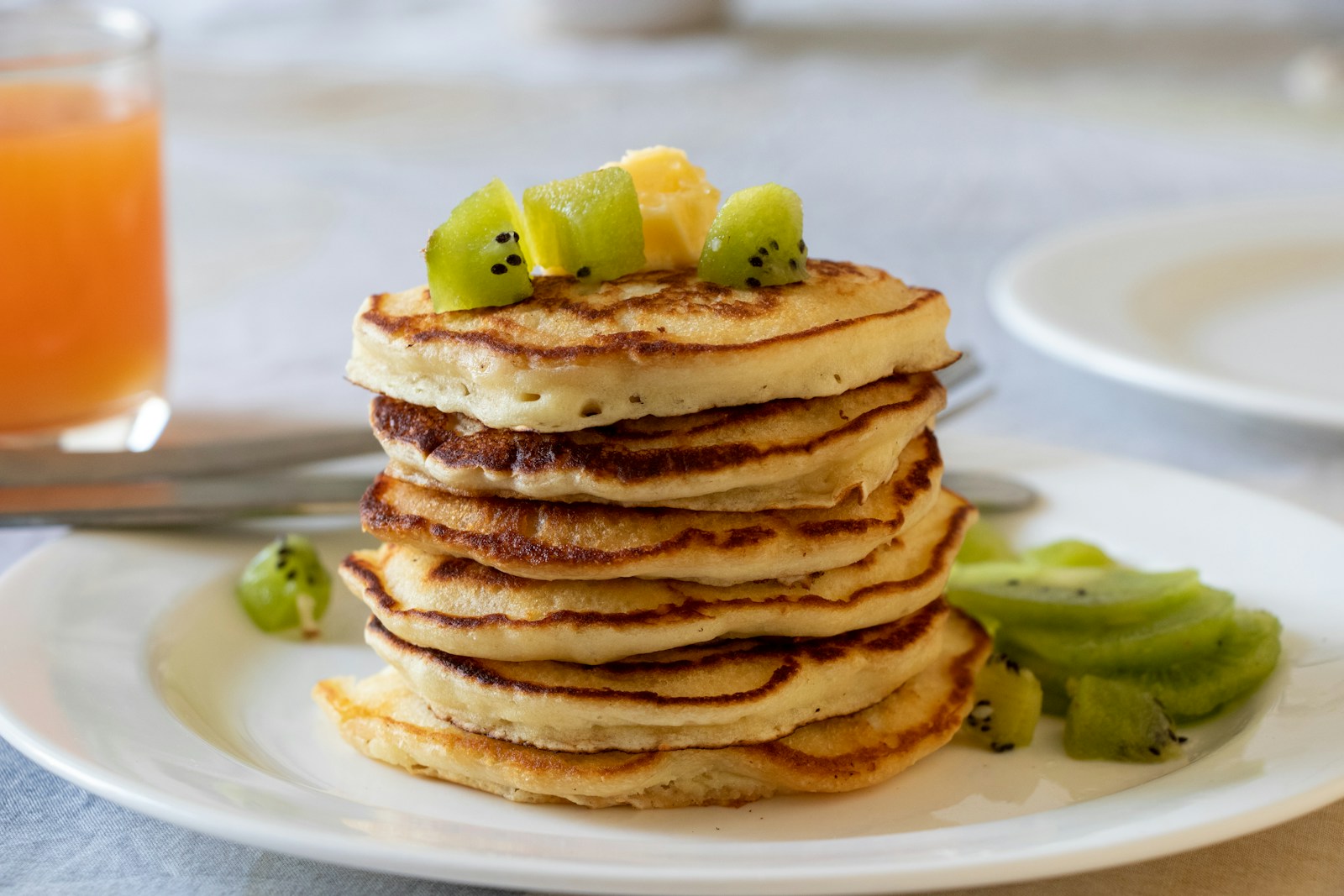
You discover that Pancake Day began as a practical way to use up rich ingredients before Lent and that its simple, satisfying recipe helped the treat travel from church kitchens into everyday comfort food. Pancakes became associated with Shrove Tuesday because households combined eggs, milk, and butter into quick pancakes to avoid wasting them before the Lenten fast.
They trace the practice through centuries of custom and carnival, showing how a religious observance turned into lively community rituals and playful pancake races. Expect short histories, classic and modern recipes, and the customs that keep the day alive.
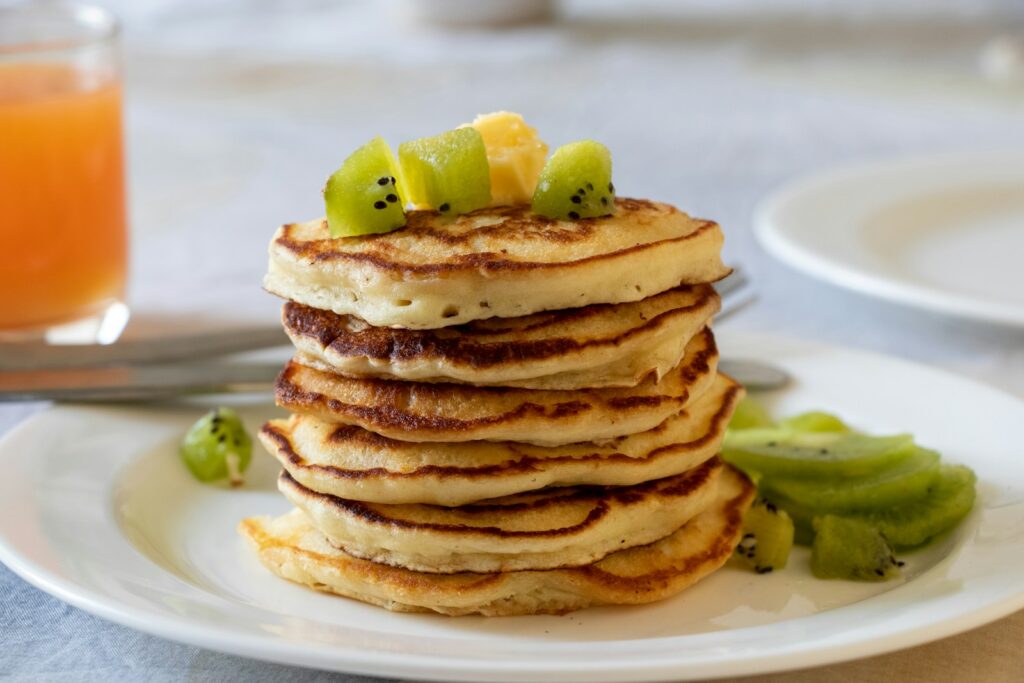
The Origins and Evolution of Shrove Tuesday Pancakes
Shrove Tuesday grew from a religious day of preparation into a practical way to use up rich foods before Lent. Pancakes, races, and regional names like Pancake Day and Fat Tuesday all reflect local customs tied to the start of Ash Wednesday and the 40-day Lenten fast.
The Religious Roots of Shrove Tuesday
Shrove Tuesday takes its name from “shrive,” meaning to confess and receive absolution before Lent begins. Churches urged Christians to be “shriven” so they could enter the Lenten season — the 40 days leading to Easter — cleansed and prepared.
Clergy and laity treated the day as both spiritual and practical. Confession, penance, and attending Mass sat alongside household efforts to use up eggs, milk, and butter that were traditionally avoided during Lent. This coupling of ritual and domestic economy anchored the day in both faith and daily life.
The timing directly precedes Ash Wednesday; many communities still hold church services, processions, or morning shriving rituals. These observances explain why the day kept a strong communal and calendrical identity across centuries.
How Pancakes Became the Chosen Dish
Eggs, milk, and fat were the main ingredients people wanted to consume before Lenten restrictions. Pancakes offered a quick, economical way to combine those ingredients into a single dish that fed families and used up perishables.
Historical records show thin griddle cakes or crepes in European cuisines long before modern Pancake Day traditions. Over time the practical choice turned symbolic: people associated pancakes with indulgence and the last chance to enjoy rich foods before fasting.
Local stories — like the woman who ran to church with a frying pan — helped popularize pancake-related customs such as races and games. These tales reinforced pancakes as a focal point of Shrovetide celebrations and community conviviality.
Transformation from Ritual to Comfort Food
As Lenten observance relaxed in many places, pancakes shifted from strictly ritual use to everyday comfort food and seasonal treat. Families continued making pancakes out of habit and nostalgia, turning the day into a culinary celebration.
Commercialization and popular recipes broadened pancakes’ appeal. Restaurants and home cooks adapted traditional thin crepes and thicker American-style pancakes, adding sweet and savory toppings that reflect local tastes.
Media and national campaigns — from school events to televised cookery segments — further cemented Pancake Day as a cultural moment. What began as a practical religious observance now functions as both a heritage event and a flexible comfort-food tradition.
Regional Names and Traditions Around the World
Different cultures gave the day distinct names and customs. In English-speaking areas it’s often Pancake Day or Pancake Tuesday; in French-speaking regions it’s Mardi Gras (“Fat Tuesday”); and in other places it appears as Shrovetide or Máirt Inide in Irish tradition.
Practices vary: some places hold pancake races, others serve crepes or semla buns, and some communities stage folk games tied to Shrovetide. The United Kingdom and Ireland emphasize pancake recipes and races, while parts of Europe mark the day with carnival-style feasts leading into Lent.
These regional variations show how the same calendrical marker — the day before Ash Wednesday — adapts to local ingredients, social rituals, and language, keeping the core connection to Lent and Easter while expressing diverse culinary cultures.
Celebrating Pancake Day: Customs, Recipes, and Community
People often mark the day by cooking and sharing pancakes, joining races or town events, and using recipes that range from thin crepes to thick, fluffy stacks. Ingredients, a frying pan, and a timer set the tone for family kitchens and village streets alike.
Classic and Modern Pancake Recipes
He may start with a basic batter of flour, eggs, milk, and a pinch of salt — the foundation for both crepe-style pancakes and thicker, fluffy pancakes. For crepes, the batter thins with extra milk and a rest period yields elastic, paper-thin pancakes ideal for citrus sugar, Nutella, or lemon and sugar. For American-style stacks, baking powder creates lift; folding beaten egg whites into the batter makes them lighter.
Modern cooks often use pancake mixes for speed, then customize with mashed banana, blueberries, or lemon zest. Gluten-free or oat-based flours and dairy-free milks adapt the recipes for dietary needs. Toppings range from maple syrup and butter to Greek yogurt, roasted fruit, and savory fillings like smoked salmon on a blini-style pancake.
Pancake Races and Fun Traditions
Communities still hold pancake races where runners carry a frying pan and toss a pancake while racing to a finish line. The Olney race in Buckinghamshire claims medieval roots and keeps the tradition of the frying pan and apron alive. The event combines a shriving bell story with timed sprints and encourages costumes and family teams.
Other customs include the pancake bell that called worshippers to confession, and local variations like mob football echoes where towns historically mixed play with the day’s revelry. Many festivals pair races with stalls selling pancakes and live music, turning a culinary custom into a participatory street event. Prizes often reward the fastest flip or the best-decorated pancake.
The Role of Pancakes in Community and Family Life
Families use Pancake Day to pass recipes across generations, teaching children to flip pancakes and measure batter. He watches grandparents demonstrate simple techniques: moderate heat, lightly oiled pan, and a confident wrist for the flip. Shared breakfasts and neighborhood stalls create low-cost, high-impact gatherings.
Churches and charities often serve pancake breakfasts or sell pancakes to raise funds during Shrovetide. Local sports clubs and schools run pancake-themed fundraisers and pancake races to build camaraderie. Whether using a store-bought mix for convenience or making batter from scratch, pancakes function as a practical, inclusive food that connects religious observance, local tradition, and everyday comfort.
More from Vinyl and Velvet:

Leave a Reply