

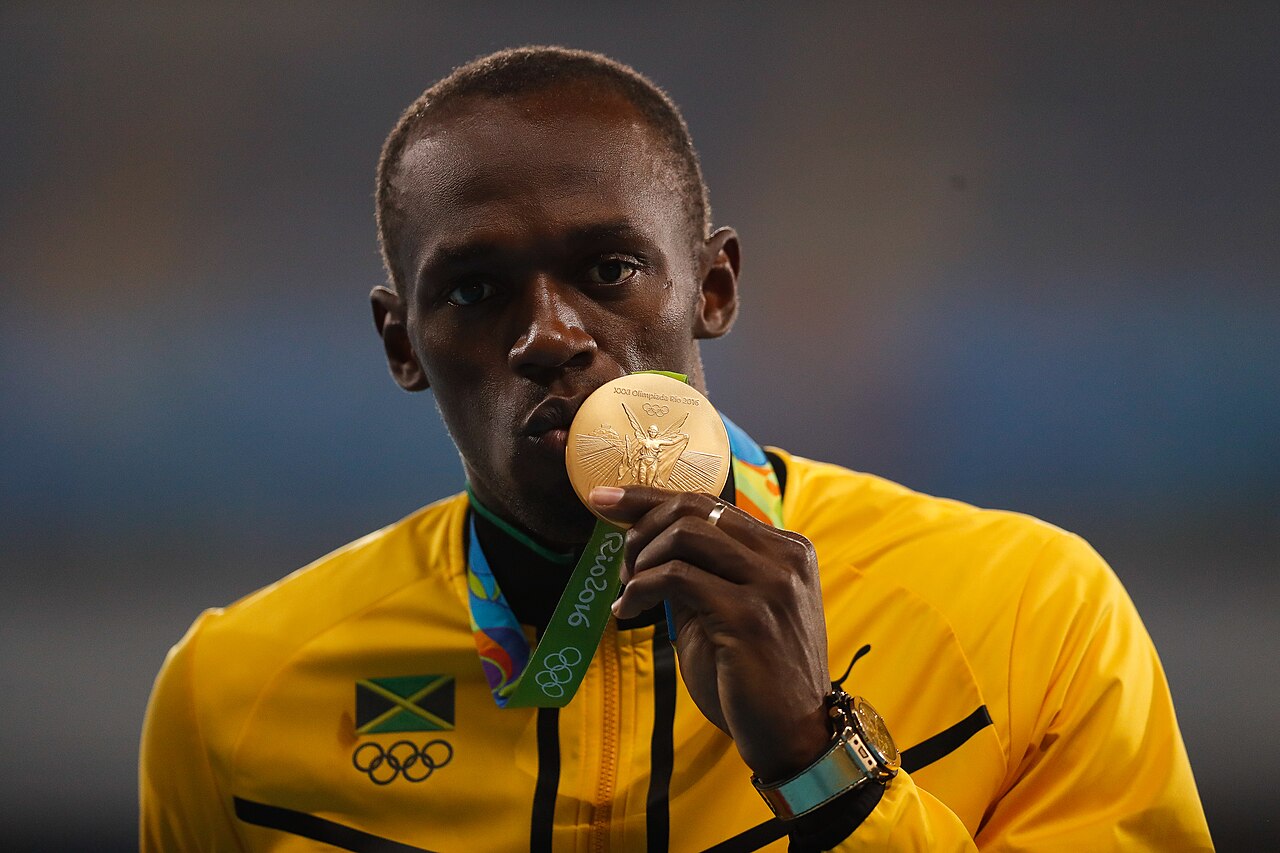
Every Olympic cycle, the same image races around the world: a freshly crowned champion grinning at the cameras with a medal clamped between their teeth. The pose looks spontaneous, but it is anything but accidental, and it has surprisingly little to do with checking whether the prize is “Real Gold.” Instead, the habit blends a very old way of testing metal with a very modern need to feed the cameras.
To understand why athletes keep chomping on hardware, it helps to look at where the idea of a “bite test” came from, what Olympic medals are actually made of now, and how photographers turned a quirky gesture into a global ritual.
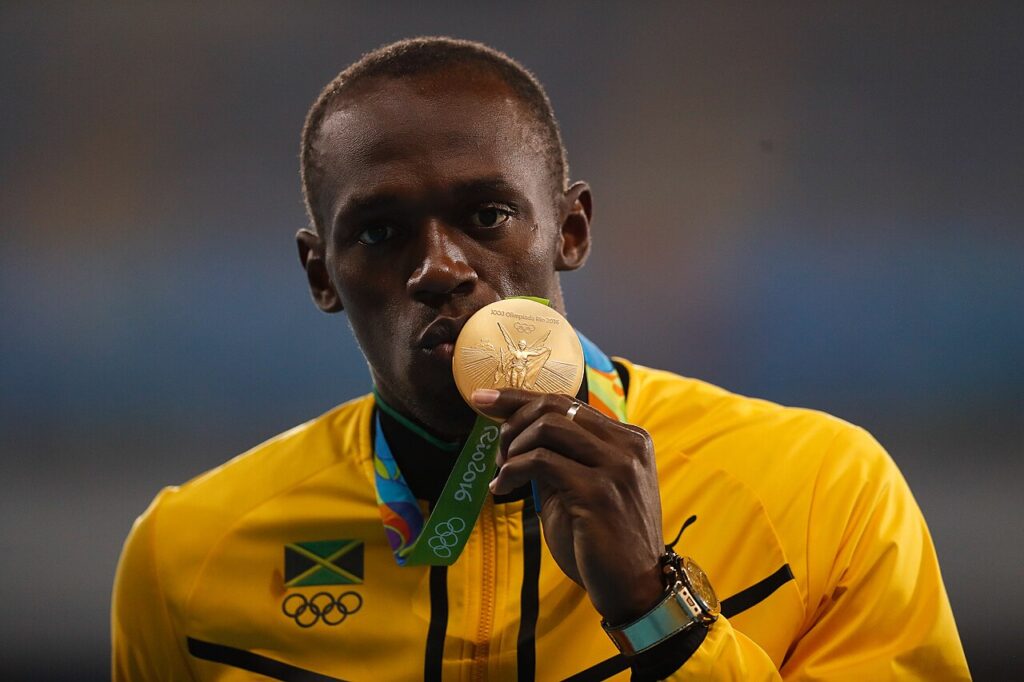
The bite test, from gold rush to podium
Long before anyone sprinted down an Olympic track, people used their teeth as a quick authenticity check for precious metals. Pure gold is soft, so a firm bite can leave a small mark, which is why the habit shows up in stories from the California Gold Rush and other treasure hunting eras. During the California Gold Rush, prospectors literally bit nuggets to see if they were the real thing or a harder fake, a practice echoed in modern explainers on The Bite Test. That old habit is why people still talk about using teeth to check if something is Real Gold, even if most of today’s “gold” objects would rather not be chewed.
Over time, that rough and ready test turned into a broader tradition of biting metal to signal that something valuable was genuine. That history is why the image of an athlete biting a medal feels instantly legible, even to casual viewers. Modern breakdowns of why Olympic Athletes Bite Their Medals point back to that same lineage, noting that, During the California Gold Rush, people trusted their teeth more than paperwork when they wanted to know if a find was Real Gold, and that echo still shapes how audiences read the gesture today, even if the science behind it no longer applies.
Today’s medals are not what they look like
The romantic idea is that an Olympic champion is sinking their teeth into a solid chunk of precious metal. Reality is less glamorous. Modern gold medals are mostly silver with a relatively thin gold coating, a shift that began after the Antwerp Olympics when organizers moved away from fully golden designs and toward silver cores with gilded surfaces, as outlined in histories of the Antwerp Olympics. Later designs kept that formula, which is why the 2012 medals contain 1.34 percent of gold rather than being solid, a detail that pops up in coverage that notes, Unfortunately, the gold layer sometimes had a habit of wearing down on heavily handled pieces.
Because of that composition, biting does not tell an athlete much about value or purity. Official Olympic explainers are blunt that, However, it is safe to say champions are not checking the fineness of their prize when they pose, and that the gesture is more about playing along with a familiar script than running a lab test on the podium. Science-focused breakdowns of what an Olympic medal is made from underline the point, explaining that Here the “gold” is mostly silver and that Olympians would learn more from a chemical assay than from a quick nibble. Even fan communities echo this, with one widely shared Answer noting that Pure gold is soft enough to dent, but that modern medals are engineered to survive handling, not to double as a bite-friendly authenticity check.
From quirky habit to media ritual
If the bite test no longer works, why do athletes keep doing it? The short version is that photographers love the shot. Medal ceremonies are tightly choreographed, and still images of someone simply holding a disc can look flat. Guides on why Olympic Athletes Bite Their Medals point out that photographers actively ask winners to pose with the medal between their teeth because that frame has become an iconic shorthand for victory, a detail repeated in notes that say photographers love that iconic shot and that it has little to do with the metal’s true composition. Coverage of recent Games adds that there are a few explanations for the habit, but the most practical is that it gives cameras a playful, instantly recognizable moment to capture during the rush of a post race celebration.
That media pressure has turned the gesture into a kind of performance. Official Olympic channels acknowledge that, However, the pose is now a ritual for the cameras rather than a serious purity check, and lifestyle explainers spell out that athletes are not secretly evaluating the quality of their prize when they grin and bite. One breakdown notes that, Believe it or not, the habit shows up at all kinds of medal ceremony events, including the Olympics, precisely because it reads so clearly in photos. Fans have picked up on this too, with online threads explaining that it is a tradition for a photo opportunity and joking that the funny thing about pyrite is that it might fool a casual glance but not a modern testing lab, even if it could still pass a theatrical nibble.
More from Vinyl and Velvet:

Leave a Reply