

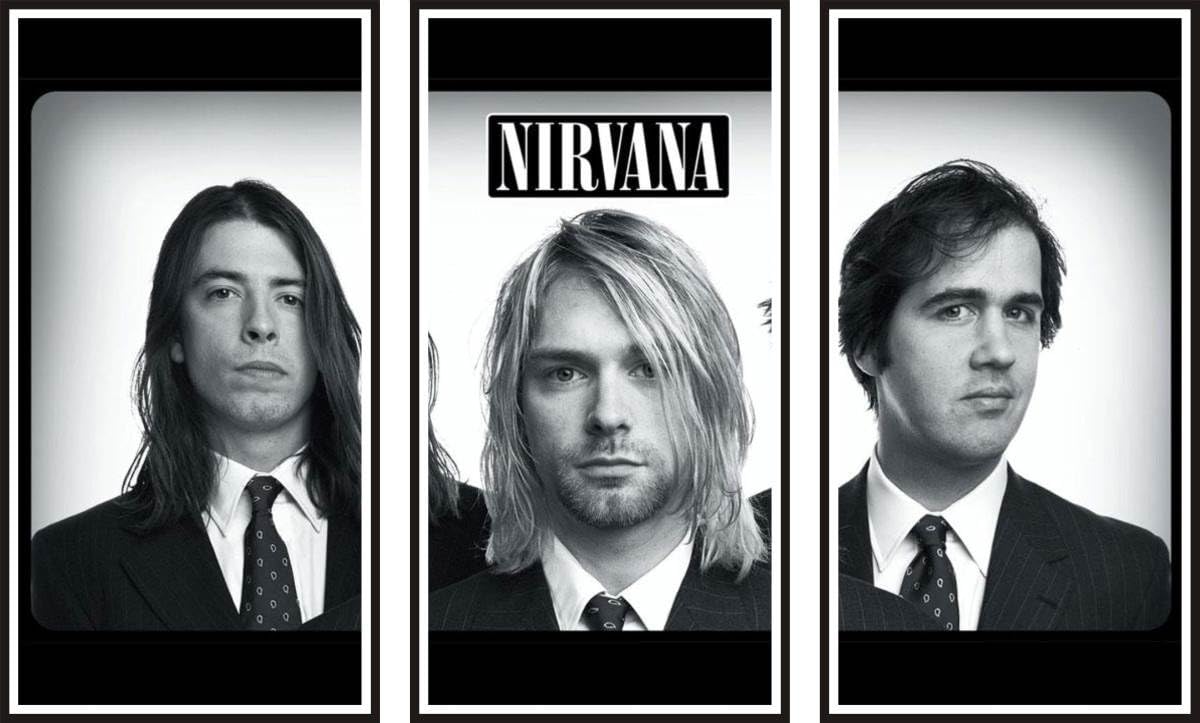
You find yourself at the moment a scrappy Seattle trio pushed a culture-shifting record into the hands of a music world that thought it owned the throne. Nirvana’s Nevermind arrived in 1991 and, almost overnight, forced radio playlists, MTV rotations, and industry attention to pivot away from polished pop and hair metal toward something rawer and more urgent.
Nevermind smashed the charts and made grunge the new mainstream, proving that a band could dethrone pop royalty by speaking to a generation’s disaffection.
You’ll explore how the album did that, how it was made, what its songs meant, and how the music business scrambled in its wake.
How Nevermind Dethroned Pop and Redefined the Mainstream
Nevermind’s success shifted who got radio play, retail shelf space, and MTV rotation. A Seattle trio on a major label turned a raw, guitar-driven record into a cultural event that changed chart math and industry attention.
Toppling Pop Icons: Nevermind’s Chart-Topping Moment
Nevermind climbed from a modest Billboard 200 entry to the top spot, unseating Michael Jackson’s Dangerous and signaling a measurable change in consumer demand. That shift showed labels that audiences would buy distorted guitars and angsty vocals as readily as polished pop stars.
Geffen Records’ marketing and distribution widened Nirvana’s reach far beyond their Sub Pop beginnings, turning regional buzz into national sales. Retailers reordered inventory; radio programmers added heavier playlists.
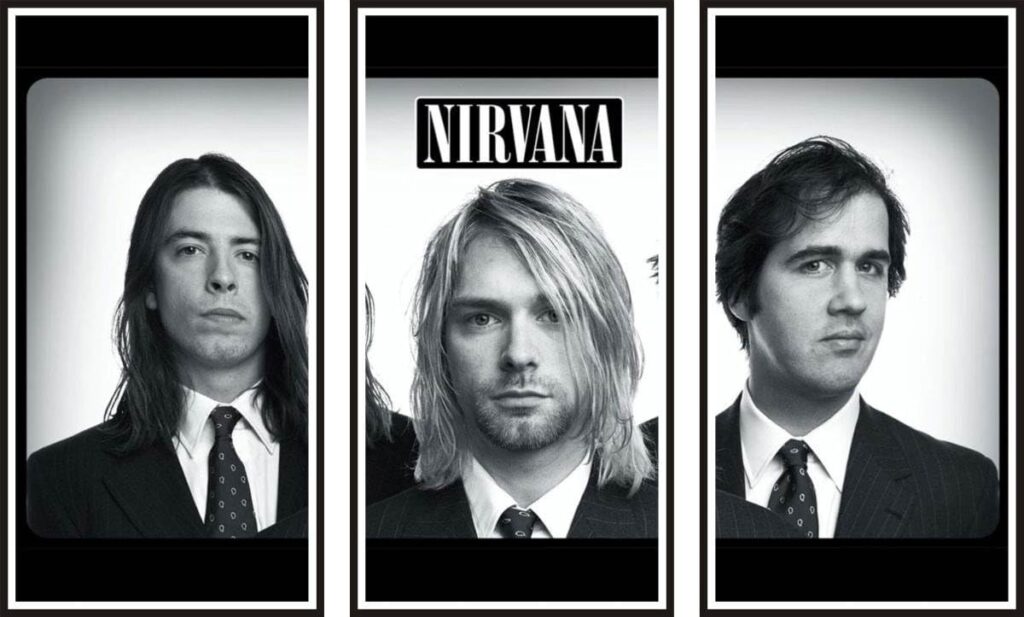
Kurt Cobain, Krist Novoselic, and newly arrived drummer Dave Grohl witnessed the album’s commercial arc transform their careers almost overnight. Sales spikes and extended chart life proved the album wasn’t a fad but a sustained market force.
Rise of Grunge and Alternative Rock
Nevermind’s sound crystallized what listeners called grunge: loud-quiet dynamics, fuzzed guitars, and lyrics that rejected arena-rock flamboyance. Bands from Seattle and beyond gained label interest; alternative rock moved from college stations to mainstream playlists.
The album’s success created a template labels chased—signing acts that blended punk ethos with melodic hooks. Sub Pop’s local credibility fed a larger pipeline of regional acts getting major-label deals.
As the industry reallocated resources, producers, promoters, and A&R reps started treating “alternative” as a primary genre rather than a niche, reshaping festival bills and tour lineups nationwide.
The Impact of ‘Smells Like Teen Spirit’ on Popular Culture
“Smells Like Teen Spirit” acted as a cultural detonator: a single that propelled Nevermind and redefined rock radio’s expectations. Its riff and Cobain’s vocal delivery became instantly recognizable, driving MTV airplay and regular rotation on mainstream radio.
The song reframed youth expression; listeners and critics used it as shorthand for Gen X disaffection. Media narratives turned Cobain into an unlikely poster figure—reluctant, conflicted, and central to the album’s identity.
The single’s reach influenced fashion, advertising, and even late-night television booking choices. Its success proved a succinct idea: alternative music could command mass audiences and change what “mainstream” sounded like.
Behind the Scenes: Making of Nevermind
The sessions combined high‑end studio gear, a new drummer’s power, a hands‑on producer, and a major‑label budget that let the band aim for clarity without losing grit. Recording split between famed rooms and familiar studios, mixing tightened the arrangements, and mastering prepared the record for massive release.
Recording at Sound City Studios and Smart Studios
Nirvana tracked basic takes at Sound City Studios in Van Nuys to capture a big, live drum sound. Sound City’s Neve 8028 console gave Dave Grohl’s drums a punch and presence that suited songs like “Smells Like Teen Spirit.” They recorded guitars and vocals there too, taking advantage of the room’s natural color.
The band finished overdubs and some vocal work at Smart Studios in Madison, where producer Butch Vig had worked before. Smart’s smaller rooms let them experiment with double‑tracking and vocal textures without burning expensive Sound City time. They also ran additional sessions at Devonshire for overdubs and pickups when needed.
Sessions were punctuated by stretches at the Oakwood Apartments in Los Angeles, where the band lived between dates. That transient setup influenced late‑night tweaks and rough demoing, keeping arrangements immediate and song‑first.
Butch Vig’s Production and Andy Wallace’s Mixing
Butch Vig pushed for clearer arrangements and sonic polish while respecting Nirvana’s raw instincts. He encouraged Kurt Cobain to double‑track vocals on several songs and to record more consistent guitar tones. Vig also captured multiple drum mic combinations to shape Grohl’s powerful sound.
After tracking, Vig handed stems to Andy Wallace for mixing. Wallace balanced the band’s dynamics, bringing forward the hooks in choruses and tightening low end without over‑compressing. His mixes added punch and radio clarity that helped the record cross over to mainstream rock playlists.
Mastering completed the chain, preparing mixes for vinyl and CD so the record translated across formats. The collaboration between Vig and Wallace turned gritty demos into a record that sounded both immediate and polished.
Dave Grohl’s Influence and Band Dynamics
Dave Grohl joined Nirvana in 1990 and changed the band’s sonic footprint. His aggressive, precise drumming replaced earlier parts by Chad Channing and added drive to the new material. Grohl’s fills and strong backbeat created the dynamic loud‑soft contrasts that became a Nevermind hallmark.
Grohl and Kurt Cobain worked quickly in the studio, with Grohl’s reliable takes allowing more time for Cobain to refine vocals and guitar tones. Krist Novoselic held the low end steady, but the trio’s chemistry in the studio accelerated arrangements and tightened song structures.
Tensions remained—Cobain could be withdrawn during sessions and resisted overproduction—but the band learned to use studio tools without losing intensity. The Oakwood Apartments and long studio days added pressure, yet also focused the trio’s performances.
From Sub Pop to Geffen: Label Transitions and Mastering
Nirvana moved from independent Sub Pop to major‑label Geffen/DGC before Nevermind’s recording began, gaining a larger budget and professional studio access. DGC funded Sound City and Smart time, enabling Butch Vig to pursue more ambitious production choices.
The move also brought label expectations for commercial viability. Geffen’s support meant Andy Wallace’s mixes and final mastering received priority treatment so the album would translate across radio and MTV. That combination of indie roots and major resources shaped the finished product.
Mastering finalized EQ and playback levels for cassette, vinyl, and CD, ensuring songs kept impact across formats. The label transition allowed Nirvana to maintain creative control while reaching a much larger audience than Sub Pop could offer.
The Music and Legacy of Nevermind
Nevermind fused raw punk energy with hook-driven pop craft, producing songs that rang on radio and in basements alike. The album’s sound, image, and timing reshaped radio playlists, retail racks, and how a generation presented itself.
Iconic Tracks: From ‘In Bloom’ to ‘Something in the Way’
“Smells Like Teen Spirit” anchored the album’s mainstream breakthrough, but tracks like “In Bloom,” “Come as You Are,” and “Lithium” show its range. “In Bloom” juxtaposes a sing-along chorus with biting lyrics about audience misunderstanding. “Come as You Are” uses a memorable guitar riff and watery production to create a feeling of uneasy invitation. “Lithium” shifts between quiet verses and explosive choruses, mapping emotional volatility.
Shorter album tracks—“Breed,” “Drain You,” “Stay Away,” and the acoustic “Polly”—balance aggression and melody. The closing “Something in the Way” and the hidden, quieter moments hint at vulnerability that contrasted the louder songs. Live, the band often extended or reworked these songs, and the unreleased “Endless, Nameless” (on some reissues) amplified the album’s chaotic side.
Themes: Alienation, Rebellion, and Generation X
Nevermind voiced the cynicism and weariness felt by many members of Generation X. Kurt Cobain’s lyrics often mix sarcasm with plain confession; lines resist tidy interpretation but consistently return to alienation and distrust. Songs like “Polly” confront dark subject matter with sparse arrangement, while “Breed” and “Drain You” express antagonistic energy.
Rebellion in the record didn’t always wear a political banner; it showed up as refusal — to glam, to artifice, to easy categorization. That attitude connected with young listeners who identified with the darker, less marketed image. The record’s mix of melody and noise made that rebellion accessible to mainstream radio without diluting its bluntness.
The Grunge Movement: Seattle’s Influence on Rock History
Nevermind emerged from the Seattle grunge scene and pushed that regional sound into international prominence. The album’s commercial success pulled other Pacific Northwest acts into the spotlight and shifted major-label attention toward grunge music. Bands and labels suddenly treated flannel shirts and DIY ethics as marketable elements.
Seattle’s scene already incubated a specific blend of punk, metal, and indie dynamics; Nevermind supplied the commercial spark. Its ascent changed rock history by displacing 1980s hair metal on radio and MTV and by redirecting A&R strategies across American popular music. The record’s impact endures in how mainstream rock evaluates authenticity and rough edges.
Fashion and Iconic Album Cover
Nevermind’s visual identity became inseparable from its sound. The album cover—featuring baby Spencer Elden swimming toward a dollar bill—became an instantly recognizable image and a focal point in discussions about commercialization and innocence. The cover’s blunt, provocative framing reinforced the album’s themes of commodification and youth.
Fashion associated with grunge—flannel shirts, torn jeans, and thrift-store layering—moved from underground to high-street shelves. That wardrobe signaled both anti-fashion and a new mainstream aesthetic. Together, imagery and clothing helped codify a cultural package that influenced magazines, retailers, and how a generation chose to look.
Nevermind’s Influence and Industry Aftershocks
Nevermind shifted radio playlists, record-company priorities, and festival bills. It pushed guitar-driven bands into the spotlight, altered A&R strategies at major labels, and recalibrated what counted as a marketable rock act.
Inspiring Pearl Jam, Soundgarden, and Alice in Chains
Nevermind’s success opened doors for Seattle peers who had been building local followings. Pearl Jam’s debut Ten—which blended classic-rock melodicism with darker lyrical themes—found major-label support and massive radio play after Nirvana proved there was a mainstream audience for Pacific Northwest rock. Soundgarden, already signed to a major label, saw renewed promotional investment and festival billing that matched their heavier sound. Alice in Chains benefited similarly; their harmonized vocals and sludgy riffs reached wider audiences as alternative radio expanded playlists.
Labels began treating these bands as headline acts rather than niche alt-rock projects. Touring opportunities increased: multi-band bills and larger venues became standard. That structural shift helped cement grunge as a commercially viable movement and moved the careers of these bands from regional to international stages.
Critical Acclaim, Awards, and Lasting Recognition
Nevermind accumulated both commercial milestones and critical reevaluation, pushing many institutions to acknowledge alternative rock. The album displaced chart-toppers and generated year-end lists, while individual tracks like “Smells Like Teen Spirit” received heavy MTV rotation, altering award-season conversations. Over time, Nevermind and its peers received placements on “greatest albums” lists and academic syllabi in music history.
Recognition extended to formal honors: Nirvana’s catalog and cultural impact helped arguments for inductions into the Rock and Roll Hall of Fame, and later archival honors like placements in the Grammy Hall of Fame reinforced the album’s historical weight. Critics such as Michael Azerrad documented the era’s nuances, contributing to the scholarly and journalistic canon that frames Nevermind as a transformational record.
Kurt Cobain’s Legacy and Ongoing Inspirations
Kurt Cobain’s songwriting and persona became a touchstone for later generations of musicians and artists. His blunt, confessional lyrics and melodic sense influenced the post-Nirvana sound, from quieter indie acts to louder alternative bands. Songs like “Sliver” and the abrasive textures on In Utero showed his range; those recordings—and their emotional frankness—remain reference points for songwriters exploring vulnerability alongside aggression.
Cobain’s cultural figure also sparked debates about fame, authenticity, and mental health in rock. Musicians cite his work when discussing compact pop hooks married to punk intensity. Museums, biographies, and reissues keep his impact visible, and the continuing study of Nirvana’s catalog ensures Cobain’s influence persists in production choices, vocal approaches, and the ethos of alternative rock.
More from Vinyl and Velvet:

Leave a Reply