

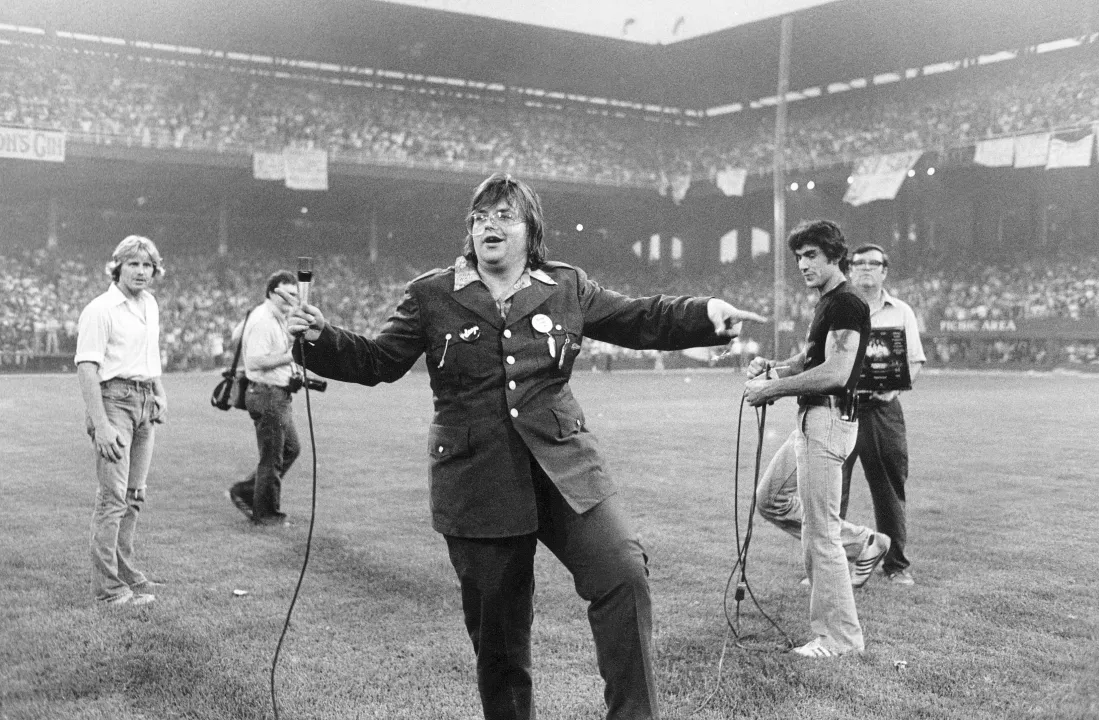
You step into July 12, 1979, and find a night that was supposed to be a cheeky promotion but turned into a spectacle that changed a moment in American cultural history. Crowds paid 98 cents and handed over disco records; a DJ detonated a crate of vinyl between games at Comiskey Park; the field filled with people, fires, and chaos. That night became more than a stunt—it exposed tensions over music, race, gender, and taste that were already fracturing American culture.
The piece will trace how the promotion grew from radio rivalry and marketing bravado into a flashpoint, show exactly what happened on the field and in the stands, and explain why Disco Demolition Night mattered beyond baseball. Expect a close look at the event’s lead-up, the chaotic hours at Comiskey Park, the cultural divide it revealed, and how disco’s decline and persistence followed in its wake.
The Origins and Build-Up of Disco Demolition Night
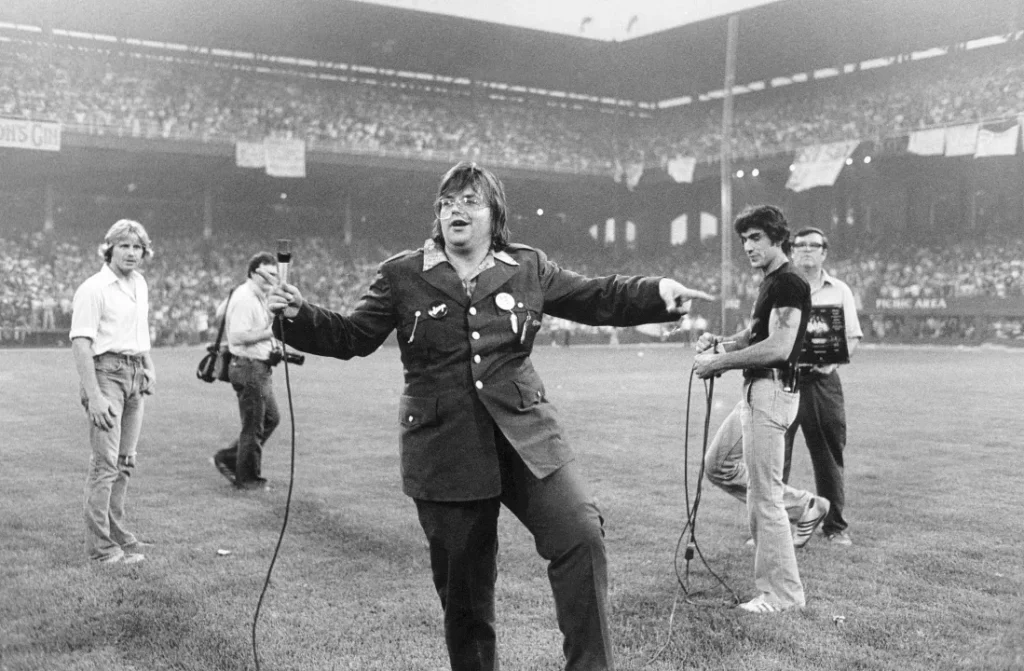
The promotion began as a radio stunt tied to cheap doubleheader tickets and a provocative gimmick. It grew from local resentment toward disco into a widely publicized event that drew tens of thousands to Comiskey Park.
Disco’s Mainstream Rise and Backlash
Disco moved from underground clubs to mass-market hits by the late 1970s, helped by films like Saturday Night Fever and hit singles that dominated radio playlists. The genre’s visibility brought mainstream money and venues, but also a backlash among rock fans who felt displaced by the new sound.
That backlash mixed musical taste with race, gender, and sexual politics. Disco’s links to Black, Latino, and LGBTQ communities made some critics see it as cultural encroachment. Chanting “Disco sucks” became shorthand for a growing, sometimes hostile movement against the genre.
Planning the Spectacle at Comiskey Park
Mike Veeck, the White Sox promotions director, and radio partners turned the idea into a stadium event. They offered 98-cent admission for fans who brought a disco record, a play on WLUP-FM’s 97.9 dial position, and scheduled the stunt between games of a twi-night doubleheader against the Detroit Tigers.
The promotion coincided with the team’s Teen Night, which increased attendance and let thousands into Comiskey Park. Organizers stacked the deck for spectacle—advertising, a large crate of records, and explosives to destroy them on the field—without fully anticipating how the crowd would react after the blast.
The Key Players: Steve Dahl, Mike Veeck, and the Chicago White Sox
Steve Dahl, a popular WLUP disc jockey who had been fired from WDAI after format changes, framed the promotion as a personal vendetta and on-air campaign against disco. Dahl’s live taunts and the “Disco sucks” chant amplified tensions and drew his large audience to the park.
Mike Veeck provided promotional know-how and stadium access; his father, owner Bill Veeck, had a history of theatrical stunts. The White Sox organization embraced the publicity, selling out Comiskey Park and packing the crowd for both baseball and spectacle. Garry Meier, other WLUP personalities, and the station’s marketing helped mobilize fans for what became an infamous night.
What Happened on July 12, 1979: The Night Unfolds
A radio promotion drew a larger, rowdier crowd than expected; an explosion of disco records on the field provoked thousands to rush the turf, wrecking property and forcing the White Sox to forfeit the second game. The scene mixed chants, broken vinyl, and a heavy police response.
The Crowd, Records, and Increasing Chaos
About 50,000 fans packed Comiskey Park for the Chicago White Sox–Detroit Tigers doubleheader on July 12, 1979, after a promotion offered 98-cent tickets in exchange for a disco record. The crowd included many teenagers and rock fans who brought records as admission tokens. Stadium capacity was strained; thousands pressed in beyond normal limits.
As people deposited discs into a crate in center field, energy in the stands shifted from curious to hostile. Chants of “Disco sucks!” rose repeatedly. Vinyl shards and discarded sleeves began accumulating in the outfield area even before the planned demolition, creating a chaotic, littered playing surface that signaled trouble ahead.
The Explosive Moment: Blowing Up Disco Records
Between games, radio personality Steve Dahl and promotions director Mike Veeck set a crate of donated disco records on center field and detonated explosives to destroy them. The blast scattered fragments of vinyl across the turf and left a small crater at the site. The visual shock amplified the crowd’s mood.
The destruction became a provocation. Some fans cheered and rushed toward the field immediately. Announcer Harry Caray and others in the press box watched as the stunt tipped from spectacle into a flashpoint that would quickly turn dangerous for players, staff, and officials.
Riot, Forfeit, and the Aftermath at Comiskey
Thousands—estimates range from 5,000 to 7,000—flooded the field after the explosion. People tore up sod, smashed equipment, stole bases, and built a bonfire from broken records. Police in riot gear moved in to restore order, but the field damage made play impossible.
With the turf ruined, White Sox officials and Major League Baseball declared the field unplayable and forfeited the second game to the Detroit Tigers. Local law enforcement arrested dozens. MLB officials, including then-commissioner Lee MacPhail’s office by association with league oversight, faced immediate scrutiny for crowd control and stadium safety procedures after the riot.
Personal Stories and Lasting Memories
Attendees remember the night in sharply different ways. Some recall it as a rowdy, humorous stunt that got out of hand; others describe fear as bottles flew and people surged across the field. Former players and broadcasters later reflected on the surreal mix of sport and spectacle at Comiskey Park.
The event left physical traces—vinyl shards and scorched turf—and cultural ones. Media outlets such as MLB.com and historians still reference the Comiskey Park riot when discussing baseball promotion failures. Bands and pop culture figures later referenced the night. Personal memories range from souvenir hunters who grabbed bases to police officers who recall hauling people off the field under tense conditions.
The Cultural Divide Exposed by Disco Demolition Night
The event revealed sharp conflicts over musical taste, changing social norms, and who felt ownership of American popular culture. Fans and critics argued about authenticity, race and sexuality, and the commercial rise of disco that challenged rock’s space.
Rock vs. Disco: American Music Identity
Many attendees framed the night as a defense of rock’s rougher, working‑class identity against disco’s polished, mainstream success. Promoter Steve Dahl and his followers cast disco as an encroaching commercial force after films like Saturday Night Fever and clubs like Studio 54 pushed the genre into mass culture.
Rock fans complained that disco sidelined guitar‑driven styles and bar‑room traditions; that complaint connected to real economic anxieties among blue‑collar listeners in 1979 Chicago.
Critics such as Dave Marsh weighed in to situate the clash as more than taste, noting how music tastes often map to class and regional loyalties.
At the same time, many disco artists — Gloria Gaynor, Donna Summer, the Bee Gees, and acts like the Village People — were topping charts, showing disco’s broad appeal even as it provoked a counterreaction.
Racism and Homophobia Beneath the Surface
Disco originated in Black, Latino, and gay club scenes; its mainstreaming unsettled those who saw cultural change as a threat.
The slogans and the crowd behavior at Comiskey Park echoed racial and sexual anxieties: anti‑disco rhetoric often masked hostility toward the communities that created the music.
Commentators and historians later identified that the backlash contained elements of racism and homophobia, not just musical preference.
Writers like Gillian Frank and outlets revisiting the event argue that the demolition stunt tapped into wider social resentments of the era, while conservative figures such as Jerry Falwell and others later exploited moral panic around nightlife and sexuality.
Those dynamics made the riot about identity — who belonged in public culture — as much as about smashed vinyl.
How Media and Critics Interpreted the Chaos
Press coverage split along cultural lines, shaping how the event entered national memory.
Some outlets portrayed Disco Demolition Night as carnival‑style hooliganism and a public‑safety failure; others framed it as a symbolic victory for rock tastes.
Documentaries and retrospectives later emphasized different angles: some stress the spectacle and promotional miscalculation, while others highlight the racial and homophobic undercurrents.
Cultural critics placed the night in a broader narrative about the late‑1970s: the rise of consumer disco, backlash politics, and changing nightlife economies centered on venues like Studio 54.
That range of interpretations kept the event alive in debates about censorship, cultural ownership, and how mainstream media represents marginalized artistic movements.
Aftershocks: The Decline of Disco and Its Lasting Influence
Disco’s collapse in 1979 reshaped radio formats, closed many clubs, and pushed dance music into new scenes and technologies. That upheaval touched sports promotions, individual careers, and the artists and DJs who remixed disco’s vocabulary into emerging genres.
Disco’s Sudden Fall and Shifting Radio Playlists
Stations that had flipped to disco in the mid-1970s reversed course almost overnight. Program directors in cities from New York to Chicago replaced continuous disco blocks with rock, pop, or hybrid formats to win back listeners and advertisers. This U-turn shrank playlist space for artists who still charted—labels found fewer radio windows for pure disco singles.
Record stores and jukebox operators also felt the change. Thousands of disco-themed clubs closed or rebranded, reducing local demand for disco records even as some hits still sold well. Industry figures like Nile Rodgers saw the market pivot; he and others moved into producing crossover pop and dance records to survive the radio-driven drop in disco airplay.
Ripples in Sports and Music History
Disco Demolition Night turned a baseball promotion into a public relations disaster and a permanent cautionary tale for sports marketers. Teams and stadiums grew warier of stunts that might inflame crowds. The White Sox forfeited the second game that night, and the episode tarnished the Veeck family’s reputation in baseball history.
The event also made plain how cultural backlash can be staged inside a stadium. What began as an anti-disco rally escalated into a riot that broadcasters and newspapers amplified, accelerating the genre’s vilification. Historians link that single night to faster radio reversals and venue closures, even as they note disco’s commercial decline had other causes beyond stadium spectacle.
Disco’s Legacy: From House Music to Modern Clubs
Despite the backlash, disco’s rhythmic and production innovations survived inside clubs and among DJs. In Chicago, former Comiskey Park usher Vince Lawrence and others helped seed house music, which borrowed disco’s four-on-the-floor pulse and extended mixes. House emerged partly as a grassroots answer to disco’s mainstream collapse.
Producers, remixers, and DJs adapted disco techniques—looped basslines, orchestral stabs, and extended dance edits—into electronic dance music. Modern club culture still uses those tools. Artists like Nile Rodgers continued to influence pop and dance production, proving disco’s elements persisted even as radio playlists changed.
More from Vinyl and Velvet:

Leave a Reply