

You step into a moment that changed American music: July 25, 1965, when Bob Dylan picked up an electric guitar at the Newport Folk Festival and the crowd responded with boos. That single act signaled a split between folk purists and a new, amplified direction for popular music. Dylan’s decision to go electric that night forced a redefinition of authenticity and opened the door to rock’s lyrical and cultural ambitions.
You’ll get a snapshot of the mood at Newport before the moment, a play-by-play of the short, stormy set, and the backstage clashes that followed. Expect clear explanations of why those boos mattered then and why historians still point to that twenty-minute set as a turning point in American music.
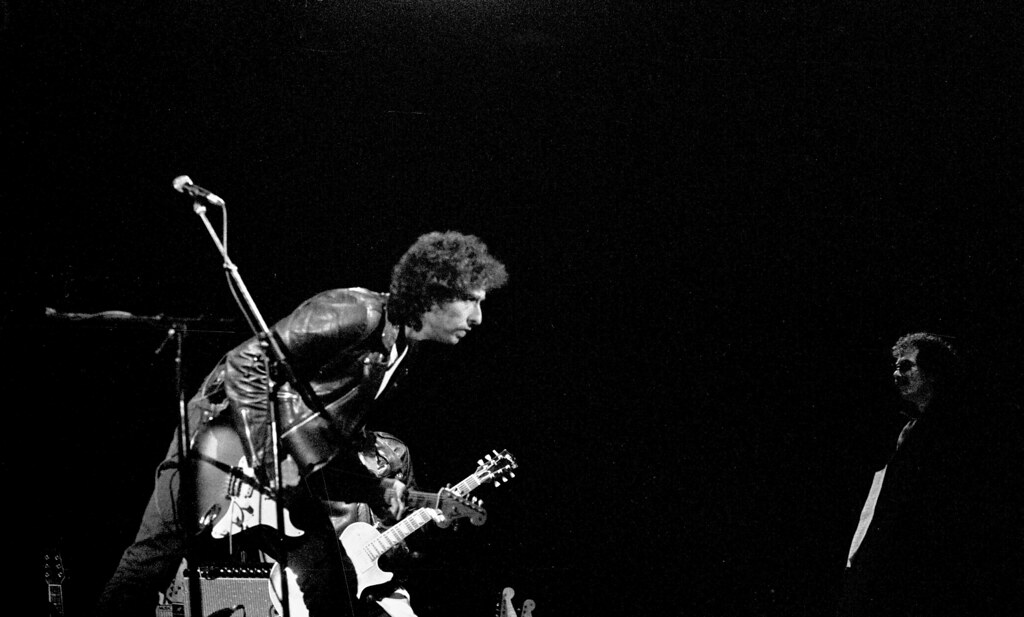
The Scene Before Dylan Went Electric
Newport felt like the nervous center of the 1960s folk world in July 1965. Traditions, rising stars, and audiences hungry for meaningful songs set the stage for a moment that would change expectations about performance and genre.
Folk Revival and Newport’s Influence
The Newport Folk Festival had become a gathering point for the folk revival that emphasized acoustic instruments, community singing, and rediscovered traditional material. Organizers and performers treated the festival as both a showcase and a guardian of authenticity. Audiences expected unamplified sets, close harmonies, and storytelling rooted in labor, civil rights, and protest.
Key figures—folklorists like Alan Lomax and performers committed to roots music—helped shape Newport’s identity. The festival’s prominence meant that an artist’s actions there carried symbolic weight far beyond a single show. People attended with the belief that folk music at Newport represented a cultural stance, not just entertainment.
Bob Dylan’s Rise as a Folk Icon
By 1965, Bob Dylan had become synonymous with the new wave of songwriter-heroes. His albums Freewheelin’ Bob Dylan and The Times They Are A-Changin’ made him a voice of social commentary, while songs from his early catalog had become staples for activists and college audiences. Joan Baez and other peers amplified his reputation by performing his material and endorsing his lyrics.
Dylan’s public image rested on acoustic performances and a reputation for lyrical seriousness. Critics and fans saw him as a bridge between traditional folk and topical songwriting. That visibility meant his choices—musical or stylistic—were watched closely by both admirers and purists who felt protective of the movement’s boundaries.
Expectations for the 1965 Festival
Attendees and performers expected Dylan to appear in the familiar mode that had defined his Newport appearances in 1963 and 1964. Many anticipated intimate, acoustic renditions of his protest songs and newer work. Festival programming and audience etiquette also reinforced a quiet, attentive atmosphere rather than a rock-concert dynamic.
Practical factors mattered: Newport stages and sound setups were optimized for folk ensembles, not amplified rock bands. That technical norm aligned with the cultural norm—playing electric instruments would not only change the sound but also the perceived purpose of a festival set. Those expectations made Dylan’s later decision to use an electric guitar especially provocative.
Dylan’s Groundbreaking Newport Performance
Dylan stepped onto the Newport stage with a clear break from his acoustic past. He wired into amplification, brought a small electric band, and played a set that forced listeners to choose between tradition and change.
Building the Electric Band
Dylan assembled a compact electric lineup drawn from blues‑rock players he had worked with in New York. Guitarist Mike Bloomfield and organist Al Kooper—both associated with the Chicago blues circuit and session work—joined to give Dylan a raw, electric edge. The Paul Butterfield Blues Band’s presence at Newport earlier that year had already shown how amplified blues could fit a festival bill, and Dylan tapped that same energy.
Manager Albert Grossman helped coordinate personnel and logistics. Keyboardist Barry Goldberg and other session musicians circulated in Dylan’s circle, but Bloomfield and Kooper became the public face of the new backing group. Dylan’s recent album Bringing It All Back Home had signaled the shift in studio; the Newport band let him test it live.
Plugging In: The Setlist and Gear
Dylan used a Fender Stratocaster for the Newport set, choosing songs that bridged his folk past and rock future. He opened with electric takes of tracks such as “Maggie’s Farm” and played material that pointed toward Highway 61 Revisited and the single “Like a Rolling Stone.” The short electric set contrasted with his acoustic numbers and emphasized higher volume and steady backbeat.
Sound issues complicated the performance. Dylan reportedly couldn’t sound‑check properly, and monitors and PA levels created muddied balance between vocals and instruments. The electric band’s amplified presence was deliberate: it underscored a stylistic shift first hinted on Bringing It All Back Home and made the new arrangements unmistakable to a largely folk audience.
Onstage: The Energy and the Moment
Onstage, Dylan projected a laconic, nearly confrontational delivery that amplified audience reaction. His voice rode over Bloomfield’s sharp electric leads and Kooper’s organ fills, producing a texture unfamiliar to many festivalgoers. Audience responses ranged from excited applause to vocal boos; some attendees shouted for the “old” acoustic Dylan.
Media and eyewitness accounts later debated whether boos stemmed from sound problems, festival etiquette, or pure resistance to change. Regardless, the emotional intensity that night crystallized the era’s cultural tensions. The performance didn’t just debut electric instrumentation for Dylan — it publicly redefined his artistic direction and accelerated the folk‑to‑rock crossover.
The Crowd’s Response and the Backstage Drama
The performance split opinion instantly: a loud portion of the audience booed and threw objects, while others cheered or stood confused. Backstage figures and festival organizers debated what to do as noise and anger grew.
Boos, Cheers, and Confusion
When Dylan stepped onstage with a Fender Stratocaster, the first chords met an immediate, mixed reaction. A large number of attendees shouted and booed between songs, and some accounts describe objects being hurled toward the stage. At the same time, pockets of the crowd—especially younger listeners—clapped and called for more. Sound balance and amplification problems added to the chaos: the electric set sounded different, louder, and less intimate than the acoustic acts that preceded him.
Journalists and photographers captured faces in the audience that ranged from stunned silence to visible anger. The noise levels made it hard for the band to hear Dylan’s vocals and for the audience to agree on what they were hearing. The result felt less like a single unified response and more like a city divided into competing reactions.
Folk Purists vs. Rebels
The controversy crystallized a longer rift between folk purists and musicians pushing electric sounds. Folk purists—many influenced by figures like Pete Seeger and folklorist Alan Lomax—valued acoustic traditions, lyrical storytelling, and political folk as communal practice. They saw amplified instruments as a betrayal of those values and of the Newport Folk Festival’s ethos.
Other artists and fans, including contemporary acts moving toward rock and folk-rock, embraced Dylan’s change as artistic growth. Joan Baez, who had close ties to Dylan, showed ambivalence publicly, reflecting the split among performers. The Turtles and other bands present noted the moment as a cultural pivot: some attendees felt betrayed, while others felt liberated by a broader sonic palette.
Backstage Tensions and Decisions
Backstage, festival organizers and board members argued over whether Dylan should continue, return to acoustic, or be cut off. Production manager Joe Boyd and filmmakers like Murray Lerner later recounted heated discussions about volume levels, set length, and whether the amplified set violated festival rules. Pete Seeger and other board members expressed outrage in various retellings, fearing the festival’s identity was at stake.
Technicians scrambled to adjust amps and check cables while festival officials considered public statements. Murray Lerner’s later documentaries captured faces and fragments of conversations that show the event as both managerial crisis and cultural skirmish. The debate wasn’t merely logistical; it became a debate about authority over the festival’s artistic direction.
Acoustic Encore and Dylan’s Exit
After the amplified songs, Dylan returned briefly with an acoustic guitar for a short encore, a move intended to placate some critics and restore the festival’s acoustic tradition. The acoustic fragment calmed certain sections of the audience but did not erase the earlier uproar. Some attendees accepted the gesture; others remained vocally hostile.
Dylan then exited the stage with his reputation irrevocably changed. The split reaction followed him into subsequent shows and press coverage, and the Newport appearance became shorthand for artists choosing evolution over audience expectation. Contemporary accounts and later interviews show that the acoustic encore closed the immediate dispute but left long-term divisions in the folk community.
Why It Mattered: Lasting Impact on American Music
The night reframed expectations about genre, audience, and artistic freedom. It forced musicians, promoters, and listeners to reconsider what folk and rock could mean in the 1960s and beyond.
Changing the Meaning of Folk and Rock
Dylan’s use of an electric Fender Stratocaster at Newport challenged the idea that folk equaled acoustic protest music. Audiences who associated folk with campfire authenticity reacted viscerally, but the performance signaled that lyrical depth and social commentary could exist inside amplified arrangements.
This moment helped shift popular perception: songs like “Like a Rolling Stone” would soon prove that long, electric tracks could dominate the charts and public conversation. Albums such as Blonde on Blonde continued that trajectory, blending poetic songwriting with rock instrumentation and showing that genre boundaries were porous rather than fixed.
Ripple Effects Across the Industry
Promoters and festival organizers rethought billing and programming after the reaction at Newport. The folk festival model began accepting amplified electric acts, which broadened lineups and drew different audiences.
Recording artists responded fast. The Byrds and others electrified folk material for radio success, while labels chased acts that mixed literary lyrics with rock energy. Radio and TV formats adjusted to longer song lengths and denser arrangements, changing how the industry marketed and monetized music.
Dylan’s Electric Legacy
Dylan’s choice didn’t just change one night; it altered his career arc and set a template for future artists. He moved from protest troubadour to a more unpredictable figure who could write sprawling tracks and personal songs without sacrificing complexity.
The phrase “Dylan going electric” now marks a pivot in music history: it encapsulates a shift toward hybrid forms and artistic autonomy. Musicians since have cited that break with expectation when defending stylistic risks and experimenting beyond established genres.
More from Vinyl and Velvet:

Leave a Reply