

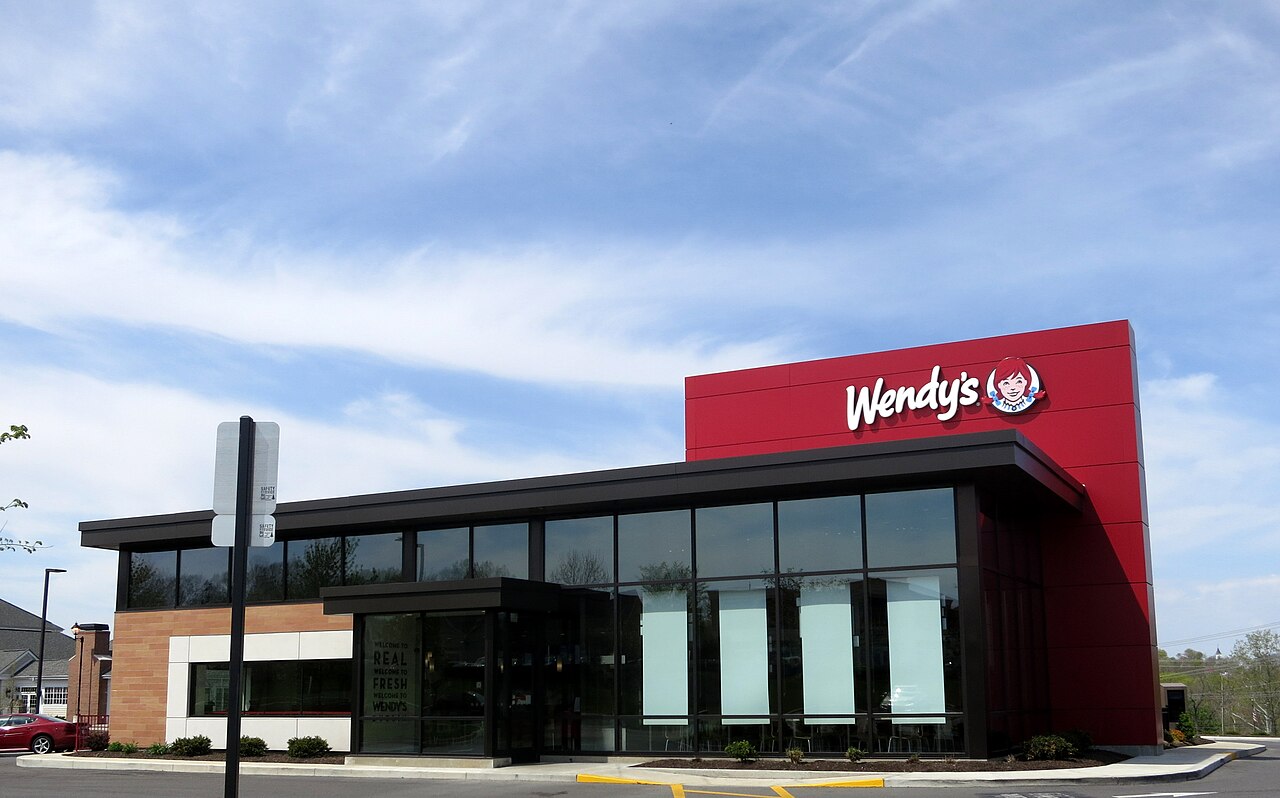
Wendy’s is closing hundreds of U.S. locations in 2026, and that shift will affect where you find your go-to burger and how nearby restaurants operate. Expect some local Wendy’s to shut and nearby locations to change hours, menus, or staffing as the company trims underperforming sites and refocuses resources.
This post breaks down which closures the company has confirmed, why the chain is shrinking its footprint, and what practical changes you may notice at the drive-thru, mobile app, and neighborhood stores. Stay tuned to learn how to locate nearby open restaurants, spot service or menu changes, and decide whether the new Wendy’s setup still fits your routine.
Wendy’s 2026 Closures and Shake-Up: Key Details
Wendy’s will cut hundreds of U.S. locations in 2026, trim underperforming units, and refocus investment on higher-traffic stores and menu changes. The moves aim to improve franchise profitability and support a broader Project Fresh turnaround.
Scope and Timeline of Store Closures
Wendy’s announced a multi-month program of closures concentrated in the first half of 2026. The company plans to identify and shutter underperforming restaurants over several waves rather than all at once, allowing franchisees and management to coordinate staffing and lease transitions.
Closures will mainly follow financial and operational reviews completed during late 2025 and early 2026. Many locations will close after lease expirations or negotiated exits; some will shutter immediately if losses are severe. Wendy’s intends to redeploy capital toward remodels and higher-performing markets as part of this timetable.
Reasons Behind the Widespread Shutdowns
Wendy’s cited sustained sales declines and compressed margins as primary drivers for the cuts. Intense price competition in the fast-food sector reduced traffic and made low-volume sites unprofitable for franchisees and the system overall.
The company also links the closures to its Project Fresh strategy, which prioritizes menu updates, customer experience improvements, and investment in fewer, better-performing stores. Exiting underperforming locations lowers franchise costs and creates cash flow to fund technology, remodels, and targeted marketing.
Locations Most Likely to Be Affected
Markets with overlapping stores, low daytime traffic, and weak unit-level economics face the highest risk of closure. Urban fringe sites with declining foot traffic and older, non-retail-friendly formats are particularly vulnerable.
Franchisees in secondary suburban and small-town locations that rely on value-driven promotions saw the steepest sales drops and therefore appear most likely to be on closure lists. Conversely, high-traffic malls, highway-facing drive-thrus, and recently remodeled units aim to be preserved and receive additional investment.
How Many Restaurants Are Closing Nationwide
Wendy’s has projected closing roughly 300–350 U.S. restaurants in 2026, equal to about 5–6% of its domestic footprint. Different reports cite figures within that range, and the company set an upper estimate near 358 units as part of its public communications.
The final count will vary as franchise negotiations, lease outcomes, and local market assessments conclude. Wendy’s plans to announce specific closures over time rather than release a complete nationwide list at once.
What the Changes Mean for Wendy’s Customers
Customers should expect fewer nearby stores in some areas, but potentially better service, refreshed menus at surviving locations, and faster rollout of digital and drive-thru upgrades. The change will affect where people go for Wendy’s, what items stay available, and how quickly new ordering tech appears.
Impact on Local Dining Options
In markets where Wendy’s closes dozens of locations, customers will see longer travel times to the nearest restaurant. That could mean a 5–20 minute extra drive in suburbs where multiple underperforming units cluster, and rural areas may lose the closest Wendy’s entirely.
Some neighborhoods will gain higher traffic at surviving restaurants, producing longer lines at peak hours and occasional menu shortages during transitions. Franchisees expect to consolidate hours and staff to match demand, so late-night or weekend service windows might shrink at certain sites.
Improvements for Remaining Locations
Wendy’s plans to concentrate capital on the best-performing restaurants, so customers can expect refreshed interiors, updated kitchen equipment, and brighter digital menu boards at many locations. Investments will likely include improved seating, new point-of-sale devices for faster order processing, and better lighting and signage.
These upgrades aim to reduce order times and improve accuracy. Patrons will more often encounter consistent training standards and clearer operating hours as franchisees optimize labor and processes at the remaining stores.
Effects on Popular Menu Items
Closures won’t immediately remove core menu items like the Dave’s Single or Frosty, but limited-stock or regionally tested items may disappear at closed sites. When locations consolidate, franchisees often simplify inventory to focus on high-margin, high-turnover items, which can reduce menu variety.
Customers may see fewer promotional or local limited-time offers in markets with high consolidation. At the same time, better-equipped kitchens at surviving restaurants could improve consistency and speed for signature items.
Future Technology and Service Updates
The company has signaled plans to accelerate digital ordering, drive-thru automation, and mobile-app promotions at remaining locations. Customers should notice expanded mobile-order pickup lanes, more reliable order-ahead fulfillment, and upgraded drive-thru systems that cut service time.
Expect targeted loyalty deals and geo-focused app promotions as Wendy’s redirects marketing spend to active trade areas. Those who use the app or delivery apps may benefit fastest from improved pricing and faster fulfillment.
More from Vinyl and Velvet:

Leave a Reply