

You’ll take a quick trip through everyday things that once shaped how you worked, played, and stayed connected — then quietly vanished. This list ranks ten familiar items from the 2000s you probably used or saw often, showing why they mattered and what replaced them.
Expect short, nostalgic stops on everything from old-school communication tools and media players to analog gadgets that felt normal at the time. Each entry explains what the item did and why it faded, so you can spot the small shifts that reshaped daily life.
Rotary Dial Phones
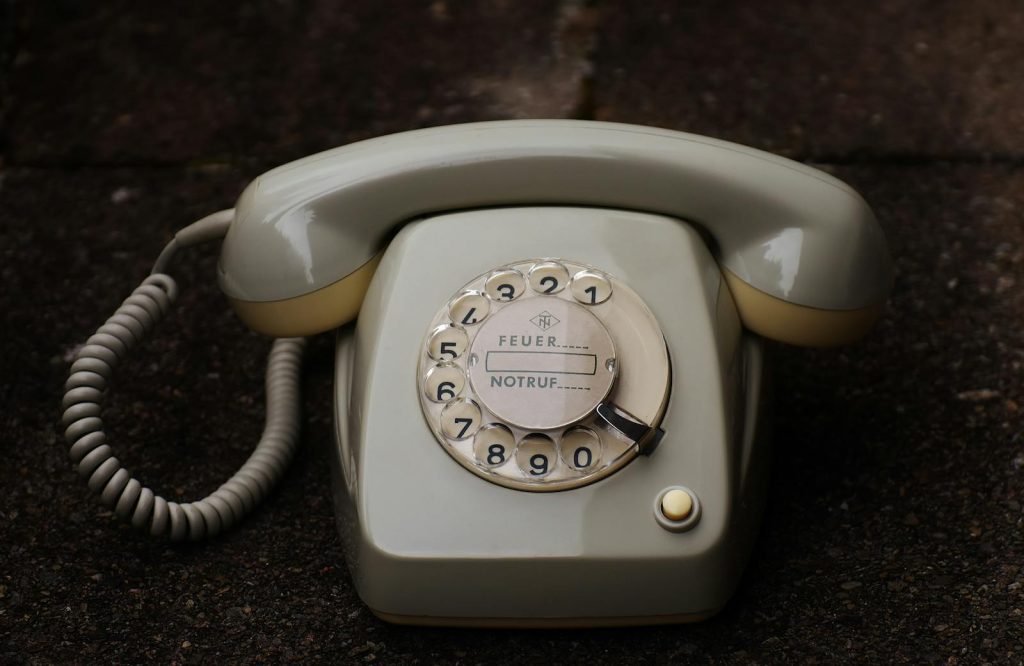
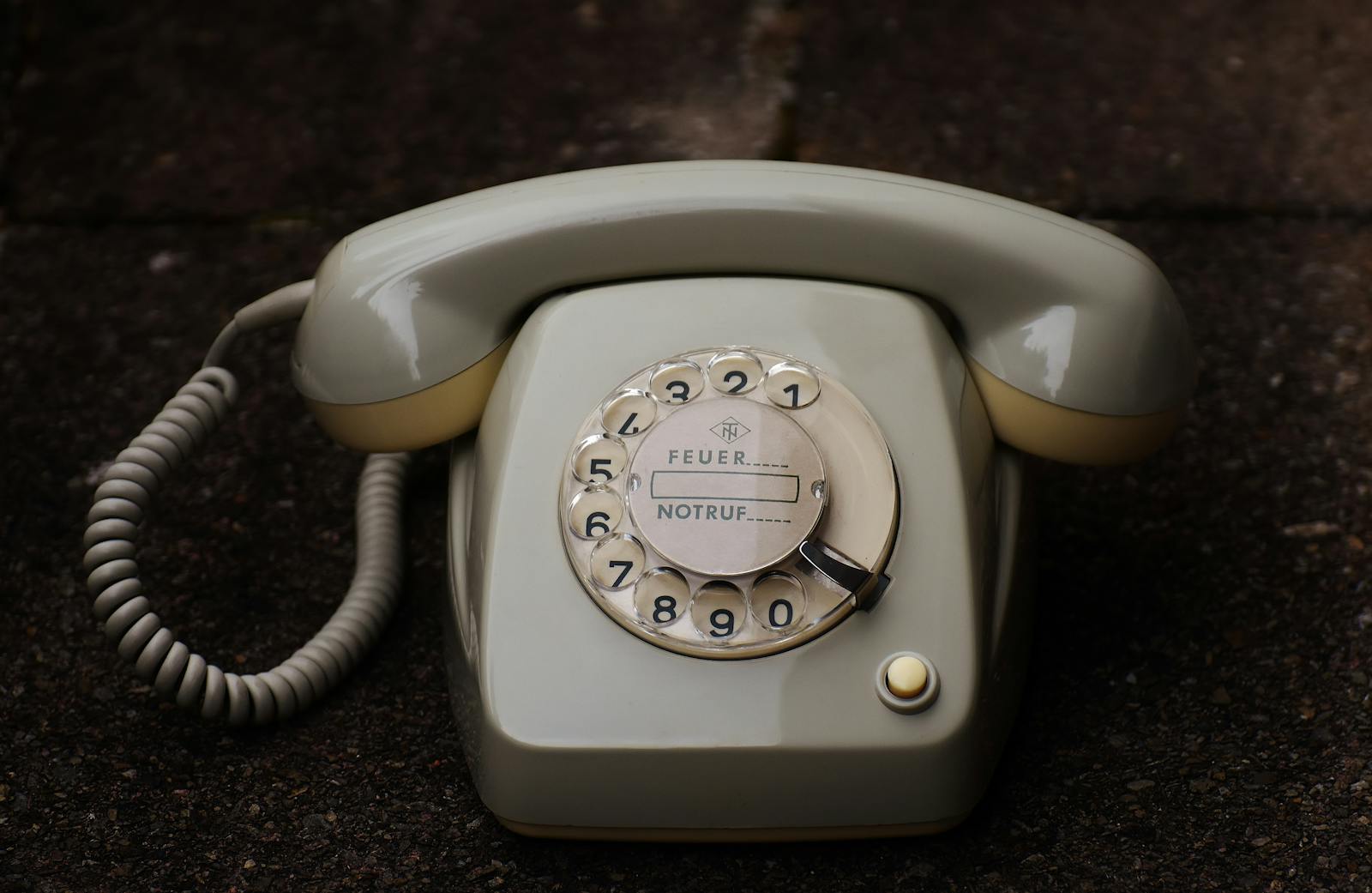
You probably remember the satisfying click-and-whirr as you turned the dial for each number.
Those heavy, durable phones used mechanical pulses to connect calls instead of touch tones or screens.
You didn’t need batteries or chargers, and they often sat in a shared spot for the household to use.
By the 1980s push-button and digital systems made rotary dialing obsolete, but the vintage look still pops up in décor and nostalgia.
VHS Tapes
You probably remember rewinding tapes before returning them or fast-forwarding to your favorite scene.
VHS made home movie nights simple and physical — you owned a copy, swapped tapes with friends, and collected boxy cases.
By the late 2000s DVDs and streaming pushed VHS out of stores and rental racks.
Today you might find one at thrift shops or online if you want that crackly, analog experience.
Floppy Disks
You probably used a floppy disk to move school projects or save a tiny backup. They held just 1.44 MB, which feels laughably small next to USB drives and cloud storage.
If you still see one, it’s likely in a drawer or part of a legacy machine at work. Modern computers dropped floppy drives in the early 2000s, so they stopped being practical for everyday use.
Blockbuster Video Rentals
You remember the blue-and-yellow sign and rushing in to grab a Friday night pick. Shelves full of VHS and DVDs let you compare covers and discover something new.
You might have rented games, too, or paid late fees that somehow always felt worth it. By the late 2000s most stores closed as streaming and mail services changed how you get movies.
Typewriters
You probably remember the clack and ding that filled quiet rooms. They were reliable, tactile, and forced you to think before you typed.
By the 2000s most people had switched to computers and word processors, so typewriters moved into nostalgia or niche creative use. If you still own one, it’s more a collectible or novelty than a daily tool.
Pager Devices
You probably remember the beep that meant someone needed you back right away.
Pagers offered one-way alerts and short messages before phones handled everything.
Hospitals and some industries still use them for reliability and coverage.
But by the early 2000s, cell phones and SMS made pagers mostly obsolete.
Disposable Cameras
You probably remember popping open a plastic case after a party and waiting to see the prints.
They gave you instant, imperfect snapshots without filters or endless scrolling.
Getting rolls developed felt like a small event; you kept the negatives and traded prints with friends.
Though digital cameras and smartphones replaced them, disposable cameras still pop up for weddings and nostalgia-seekers.
CD Walkman Players
You probably carried one clipped to your belt or stuffed in a backpack, skipping ahead to your favorite track.
They gave you crisp CD sound on the go, but they also hated bumps, pockets, and long walks.
Later models added radios and anti-skip features, yet streaming and phones made them unnecessary.
Collectors and audiophiles still hunt vintage models, but for most people they live only in memory.
Polaroid Instant Cameras
You probably remember the thrill of watching a photo develop in your hands. Those bulky Polaroid cameras were everywhere in the 2000s, giving instant, tangible prints you could share.
By the mid-2000s digital cameras and phones took over, and classic Polaroid models faded from stores. Nostalgia keeps instant film alive today, but the original mass-market presence is gone.
Fax Machines
You probably remember the loud, clunky machine that sat by the office phone. It sent paper copies over phone lines so you could get signed forms fast.
By the 2010s most businesses switched to email, PDFs, and secure e-signatures. If you still see one today, it’s likely gathering dust or serving a niche legal or medical need.
More from Vinyl and Velvet:

Leave a Reply