

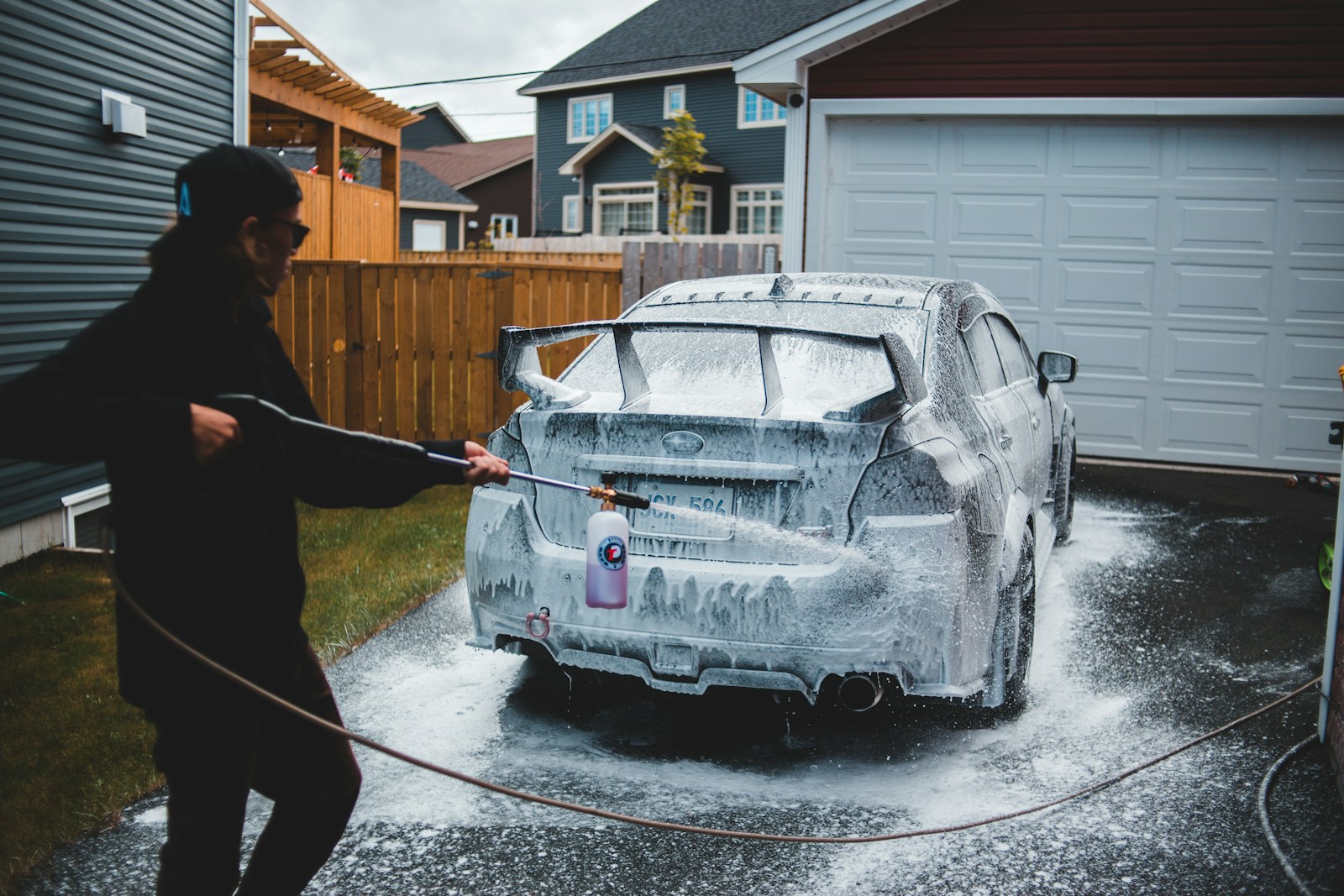
You risk a $100 fine if you water your lawn or wash your car on the wrong day under the tightened water-use rules taking effect across Tampa Bay. Follow the city’s once-per-week watering schedule, use a hose with an automatic shutoff nozzle, and wash vehicles only on your designated day to avoid citations.
They tightened rules because drought conditions pushed agencies to limit outdoor water use and stop HOAs from enforcing standards that increase watering. The next sections explain how the new restrictions work, what counts as a violation, and practical steps to protect plants and avoid penalties like fines or court appearances.
Understanding The New Water-Use Crackdowns
The new measures tighten outdoor water use, set fixed watering days and hours, and create fines for violations. They target nonessential uses like routine lawn watering and car washing to stretch municipal supplies during drought.
Reasons Behind Watering Restrictions
Cities implement watering restrictions when reservoirs, aquifers, or treatment capacity fall below safe levels. Officials cite drought conditions and declining reserve levels as primary triggers for Phase II-style limits in Tampa and similar regions.
Restrictions reduce peak demand on the system so utilities can maintain drinking water pressure and provide safe treatment. They also help delay costly emergency measures like trucking in water or imposing boil-water orders.
Policy choices balance public health, essential services, and outdoor use. That means voluntary conservation escalates to mandatory rules when monitoring shows sustained low inflows or unusually high consumption.
Who Is Affected By The Latest Water Restrictions
The rules apply to all users on the municipal potable system: homeowners, HOAs, commercial landscapers, and public agencies. Individual homeowners face specific watering days tied to address numbers and can receive citations on first observation in some jurisdictions.
HOAs must pause enforcement actions that require extra watering for repairs, per recent local guidance, but they still must follow city schedules. Businesses that irrigate large landscapes or offer vehicle-washing services face the same limits and potential fines.
Properties using 100% reclaimed water typically receive exemptions, yet utilities still encourage reduced use to protect system capacity.
What Activities Are Now Restricted Outdoors
Typical restrictions ban or limit: scheduled lawn irrigation, washing cars with potable water, and using sprinklers that run onto hard surfaces. Many programs set watering days based on the last digit of the street address and restrict watering to specific hours to minimize evaporation.
Some jurisdictions exempt low-volume irrigation (drip systems), pressure cleaning for health or safety, and recreational water uses fed by reclaimed sources. Citations can start at about $100 for a first offense and rise for repeat violations, with mandatory court appearances for serious or repeated noncompliance.
Residents should check their city’s official page for exact watering schedules and permitted activities to avoid fines and keep landscaping needs aligned with water-scarcity rules, for example by switching to efficient irrigation or adjusting watering frequency.
Smart Strategies to Avoid Fines and Help Conserve Water
Follow local watering schedules, switch to targeted irrigation, and repair leaks promptly to cut outdoor use and reduce the chance of a $100 fine. Small changes like collecting rainwater or setting a smart controller can lower bills and keep yards healthy.
Tips for Staying Compliant With Water Restrictions
Check the municipal watering schedule and allowed activities before turning on any hose or sprinkler. Many cities post rules online; Tampa residents should confirm current restrictions with the local water department or water use hotline listed on the city website.
Set irrigation times to permitted days and hours. Use a timer or smart controller to avoid accidental run-on watering. Keep a copy of your neighborhood’s ordinance or the utility’s notice in a visible place for reference.
Document any exemptions you qualify for (newly seeded lawn, drip systems, or tree watering) and carry permits if required. Fix leaks in valves, backflow devices, and hoses within 48 hours to avoid repeat-offender fines and mandatory court appearances.
Water-Saving Lawn and Landscape Methods
Replace high-water turf with drought-tolerant species or xeriscaping to cut outdoor use dramatically. Native plants and mulch reduce evaporation and maintain a healthy lawn with less water.
Install drip irrigation for beds and trees; it delivers water directly to roots and can reduce usage compared with overhead sprinklers. Connect a smart controller or moisture sensor to prevent unnecessary cycles.
Collect rainwater in barrels for hand-watering and container plants. Position barrels under downspouts and use a screened lid. These measures lower the monthly water bill and reduce dependence on municipal supply.
Reporting Violations and Getting Help
If someone observes unauthorized watering during restricted hours, report it through the city’s water use violation hotline or the utility’s online complaint form. Provide date, time, address, and photos when possible.
Contact the local water patrol or the Tampa water department for guidance on ambiguous situations, such as whether a sprinkler is part of an approved drip conversion. The utility can confirm rules, dispatch an inspector, or explain permit procedures.
For technical help, request utility-led audits or rebates for water-saving equipment like smart controllers, drip kits, or rain barrels. These programs lower upfront costs and make compliance easier while conserving water.
More from Vinyl and Velvet:

Leave a Reply