

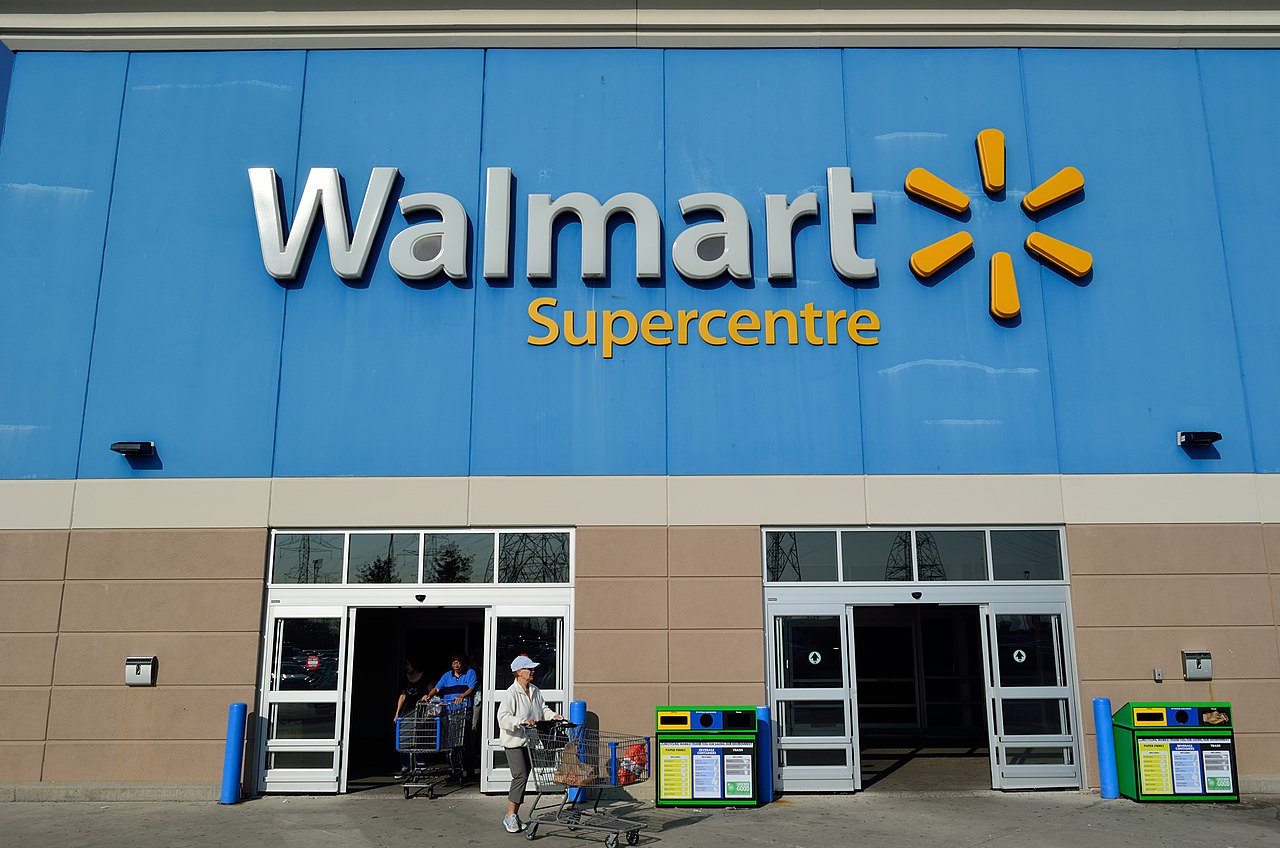
You step into Walmart’s newest Supercenter and spot something you didn’t expect: a next‑generation food concept serving freshly made options alongside the usual groceries. This new store blends expanded foodservice—like sushi bars and regional bakery stations—with digital touchpoints that let you shop faster and try surprises you won’t find at a typical supercenter.
As you explore, notice the modern layout, QR-enabled interactions, and amenities designed for convenience and speed. Early visitors are sharing surprising menu items and a different shopping rhythm that signals Walmart is testing new ways to mix grocery, dining, and tech.
Inside Walmart’s Next-Generation Supercenter
The store pairs a fresh physical layout with food innovations, expanded apparel and home assortments, and tech-driven conveniences that shorten trips and add new in-store services.
Reimagined Retail Design and Technology
The layout opens sightlines across departments, moving apparel and home closer to the front to encourage discovery. Wide aisles and modular gondolas let teams reconfigure displays for seasonal promos or local assortment changes.
Digital shelf labels appear on many grocery and household aisles to keep pricing aligned with Walmart’s every day low prices messaging and speed up price updates. Interactive digital touchpoints sit near key departments so customers can pull up item location, reviews, and promotions without hunting for an associate.
This ground-up supercenter design borrows elements from the Cypress Supercenter and other “store of the future” builds: clearer wayfinding, updated Walmart branding, and a centralized service corridor for curbside pickup, returns, and quick online order staging.
Expanded Food and Beverage Concepts
The new format tests a next-generation food concept that blends ready-to-eat options with grocery staples. Shoppers report seeing fresh prepared bowls, made-to-order sandwich stations, and a small-format bakery that highlights regional items.
A dedicated liquor shop and a surprising specialty-ingredient section let customers pick up craft mixers and premium snacks alongside daily groceries. The food area integrates seamlessly with pickup workflows so employees can fulfill grocery pickup and curbside orders without disrupting in-store diners.
Walmart positions this food footprint to complement its omni journey strategy: customers can order a ready meal via the app for same-day pickup or grab it in person, and digital signage promotes combo offers tied to the retailer’s pricing strategy.
Enhanced Shopping Experience
The store boosts convenience with several service upgrades: a modern pharmacy with a health services room, a mother’s room near family essentials, and an auto care center and full-service fuel station on the site or adjacent lot in many locations. These services reduce the need to visit multiple destinations.
Associates use handheld devices for faster checkout assistance, price checks, and mobile returns. Self-checkout and staffed express lanes balance speed and human help during peak hours. Expanded assortment in apparel and home aims to cut trips to specialty stores by offering broader size and style options.
Clear signage and interactive kiosks help customers navigate the larger footprint while digital shelf labels and frequent in-aisle promotions keep price information transparent and current.
Connected Convenience and Digital Innovation
The store meshes physical and digital channels: a dedicated staging area for curbside pickup sits just inside or outside the entrance to speed handoffs. Integration with the Walmart app shows in-store pickup readiness, order consolidation, and expected wait times.
Interactive touchpoints let customers scan barcodes to see online reviews, inventory depth, and alternate sizes or colors. Digital shelf labels reduce pricing errors and enable dynamic markdowns tied to inventory or promotions, supporting the retailer’s goal to modernize retail operations.
Updated branding appears across app and in-store screens to create a consistent omni-channel experience. Behind the scenes, improved back-of-house tech streamlines replenishment, helping keep high-demand SKUs available and lowering out-of-stock incidents.
The Next-Gen Food Concept: Surprises and Early Impressions
The food area mixes new tech-driven services with culturally specific offerings that aim to attract regular grocery shoppers and local diners. Early visitors note standout stations, faster pickup options, and flavors that reflect Cypress-area demand.
Fresh Sushi Bar and Sushi Station
The store added a staffed fresh sushi bar and a separate sushi station for grab-and-go trays. Customers report made-to-order nigiri and rolls prepared behind glass, plus prepackaged selections labeled with ingredient lists and sell-by times.
Displays use clear refrigeration and bright signage to show freshness dates and pricing. Staffers rotate fish and replenish trays throughout the day to keep portions consistent. Several patrons praised the value compared with local sushi takeout, while some suggested expanding vegetarian roll options.
The sushi area ties into Walmart’s pickup and express delivery workflow, letting shoppers add a fresh tray to curbside orders without long waits. Digital shelf labels near the station show live pricing and limited-time promotions.
Hispanic Bakery and Fresh Tortilla Maker
The store features a dedicated Hispanic bakery section with pan dulce, conchas, and prepackaged bolillos. A visible fresh tortilla maker presses and griddles tortillas on-site, producing corn and flour options several times daily.
Staff bake regionally popular items and rotate offerings based on demand, so customers see new pastries on weekend mornings. Packaging clearly lists allergens and recommended reheating steps. Early shoppers highlighted the aroma and authenticity compared with frozen tortillas.
The bakery connects to local preferences by stocking items tied to community traditions and seasonal celebrations. Walmart promotes the section in-store and through app promotions to drive repeat visits.
Regional Favorites and Local Offerings
Managers curated regional favorites—fresh tortillas, Hispanic bakery items, and a selection of Gulf Coast seafood—alongside national staples. Shelving groupings place local products near complementary departments, such as salsa near the bakery and sushi condiments by the seafood case.
The layout emphasizes quick meal components: fresh tortillas, prepped proteins, salsas, and ready-to-eat sushi. Labels note local vendors when applicable, helping shoppers identify community suppliers. Early reviews from Oakleaf-area shoppers mentioned appreciation for the tailored assortment and convenience.
Promotional signage and app push notifications highlight limited-time local collaborations. That marketing approach aims to funnel community interest into repeat foot traffic and higher basket values.
Community Reactions and Job Growth
Local reaction mixed enthusiasm about new food options with questions about price and quality. Many residents praised the fresh tortilla maker and bakery for filling a local niche; others compared sushi favorably to nearby takeout spots.
Walmart says the new Supercenter created hundreds of local jobs across foodservice, bakery, and pickup operations. Employees staff the sushi bar, tortilla station, bakery ovens, and expanded pickup/delivery roles. Community leaders at the opening noted job training opportunities and schedules intended to support student and part-time workers.
Customers also mentioned faster curbside and 30-minute express delivery for food items, which employees coordinate through dedicated pickup lanes and app workflows.
More from Vinyl and Velvet:

Leave a Reply