

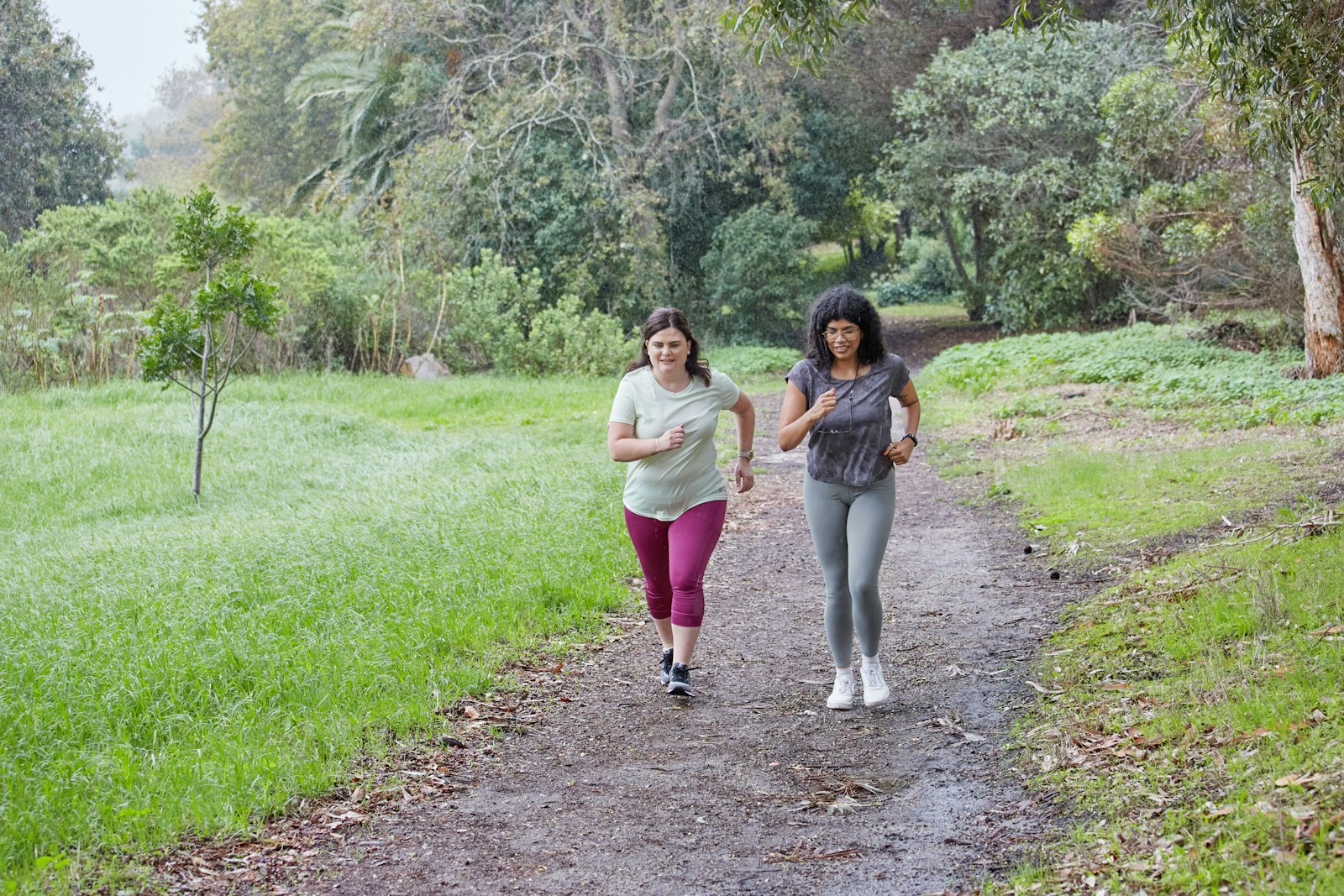
You can add meaningful years to your life with a habit as simple as a daily walk. Walking every day supports heart health, boosts brain function, and protects joints — practical benefits backed by recent research.
Take short brisk walks, break up long sitting periods, and add a few hill or stair climbs to increase the payoff. The rest of the article will explain how daily walking promotes longevity and lay out six science-backed ways it helps your heart, brain, and joints, with actionable tips you can use tomorrow.

How Daily Walking Unlocks Longevity
Daily walking improves cardiovascular fitness, supports metabolic health, preserves cognitive function, and reduces joint decline. Small changes—adding brisk minutes or raising daily step counts—deliver measurable reductions in mortality risk and better quality of life.
Science Behind the Longevity Boost
Researchers link regular walking to lower inflammation, improved blood pressure, and better glucose regulation. Aerobic activity from brisk walking raises cardiac output and vascular function, which reduces risk of heart attack and stroke. Walking also increases HDL cholesterol and helps control body weight, lowering metabolic syndrome risk.
At the cellular level, moderate-intensity activity supports mitochondrial function and reduces chronic low-grade inflammation that accelerates aging. Observational and pooled cohort studies show consistent associations between habitual walking and lower all-cause mortality, which strengthens confidence in a causal relationship when combined with known physiological mechanisms.
How Walking Impacts Life Expectancy
Epidemiological analyses report that people who walk regularly—especially at higher intensity—have lower death rates from cardiovascular disease and other causes. For example, studies using accelerometer and questionnaire data find that adding even 15 minutes of brisk walking daily links to sizable reductions in total mortality. Benefits appear across ages but are strongest for those who move from sedentary to moderately active.
Walking also preserves mobility and reduces disability in later life, extending healthy years. Improvements in balance, muscle strength, and joint function help prevent falls and maintain independence, which contributes indirectly to longer life expectancy.
The Role of Daily Step Counts and Pace
Step targets and pace both matter. Evidence suggests mortality risk declines substantially with daily steps in the range of several thousand to around 8,000–10,000 steps, with diminishing returns above that. Intensity matters too: walking at roughly 100 steps per minute or adding short bouts of brisk walking increases cardiovascular benefit compared with only slow ambulation.
Practical guidance: aim for incremental increases—add 1,000–2,000 steps per day or include 10–20 minutes of brisk walking (about 100 steps/min) to boost heart-rate–raising aerobic activity. Combining higher step counts with periods of faster pace yields the largest mortality reductions seen in cohort studies.
Health Equity and Accessibility
Research that includes underrepresented groups shows fast walking benefits persist across income and racial groups. The Southern Community Cohort Study and similar analyses demonstrate that low-income and Black participants gain mortality reduction from brisk walking comparable to other populations. That indicates walking is an effective, low-cost intervention for communities with limited access to formal exercise facilities.
Barriers remain: unsafe neighborhoods, poor sidewalks, and environmental pollution limit opportunities for daily walking. Community-level solutions—safe routes, parks, and workplace walking programs—help close gaps. Policy and public-health efforts that prioritize equitable access to safe walking spaces can amplify the longevity gains of daily walking for the largest number of people.
Six Science-Backed Benefits of Walking for Heart, Brain, and Joint Health
Walking boosts heart function, sharpens thinking and mood, preserves joint mobility, helps control weight and blood sugar, lowers chronic disease risk, and supports longer, healthier lives across groups with different access to care.
Strengthening Cardiovascular Health
Walking raises heart rate into a safe aerobic zone when done briskly—about 100–130 steps per minute—improving cardiac output and vascular fitness. Over weeks, consistent brisk walking lowers resting blood pressure, reduces LDL cholesterol, and increases HDL cholesterol, which together cut risk for heart attack and stroke.
Small, regular doses matter: 30 minutes most days or 150 minutes per week aligns with public guidelines and produces measurable changes in arterial stiffness and endothelial function. Tracking daily steps helps; studies link 5,000–7,000 steps a day with substantial heart benefits, and each extra 1,000 steps adds risk reduction up to a point. Walking is low cost and scalable for people of all ages and fitness levels.
Supporting Brain Function and Mental Health
Walking increases cerebral blood flow and releases neurotrophic factors that support neuron growth and synaptic plasticity. People who walk regularly show better attention, faster processing speed, and improved memory on cognitive tests, with some studies reporting reduced risk of dementia.
Short walks after meals and midday walks both improve mood and reduce anxiety by releasing endorphins and regulating stress hormones. Outdoor walking further adds sunlight exposure, which stabilizes circadian rhythms and improves sleep—an important contributor to cognitive health. Social walking also reduces loneliness and builds routine, both linked to lower depression rates.
Improving Joint and Bone Health
Regular walking applies gentle, rhythmic loading to joints and bones, which stimulates cartilage nutrition and maintains bone density. For people with osteoarthritis, walking reduces pain and stiffness by promoting synovial fluid circulation and strengthening surrounding muscles that protect the joint.
A consistent walking routine improves balance and proprioception, lowering fall risk in older adults. Speed and distance can be adapted: short, frequent walks or interval walking (alternating faster and slower pace) build muscle and improve gait without excess joint stress. Proper footwear and gradual progression help prevent overuse injuries.
Managing Weight and Metabolism
Walking burns calories—roughly 150–200 calories in a 30-minute brisk walk for an average adult—which helps create an energy deficit for weight loss or maintenance. Post-meal walks blunt glucose and insulin spikes, improving glycemic control for people with or at risk for type 2 diabetes.
Accumulated daily steps integrate into an active lifestyle that shifts metabolism toward greater fatty acid use and improved insulin sensitivity. Combining walking with modest dietary changes multiplies benefits. Pedometers or smartphone step counters make tracking simple and motivate gradual increases from sedentary baselines toward 7,000–10,000 steps for stronger metabolic effects.
Lowering the Risk for Chronic Illness
Regular walking reduces systemic inflammation, measured by lower CRP levels, and boosts immune surveillance through increased circulation of immune cells. Those physiological shifts translate into lower incidence of conditions such as cardiovascular disease, type 2 diabetes, and certain cancers.
Epidemiological studies, including large cohort analyses, show leisure-time physical activity from walking links to lower all-cause mortality. Benefits appear even at modest activity levels, which matters for populations with limited access to structured exercise. Walking programs that are community-based can reduce health disparities by providing an affordable, effective preventive measure.
Enhancing Longevity Across Communities
Walking confers population-level gains when communities design safe, walkable environments and encourage routine activity. Research that includes diverse cohorts—such as findings from large regional studies—shows that increased daily steps and brisk walking correlate with lower mortality across demographic groups.
Addressing health equity means improving sidewalks, lighting, parks, and programmatic support so leisure-time physical activity becomes feasible for low-income and marginalized neighborhoods. Group walking initiatives also foster social cohesion and sustained participation, amplifying both physical and social determinants of longevity.
More from Vinyl and Velvet:

Leave a Reply