

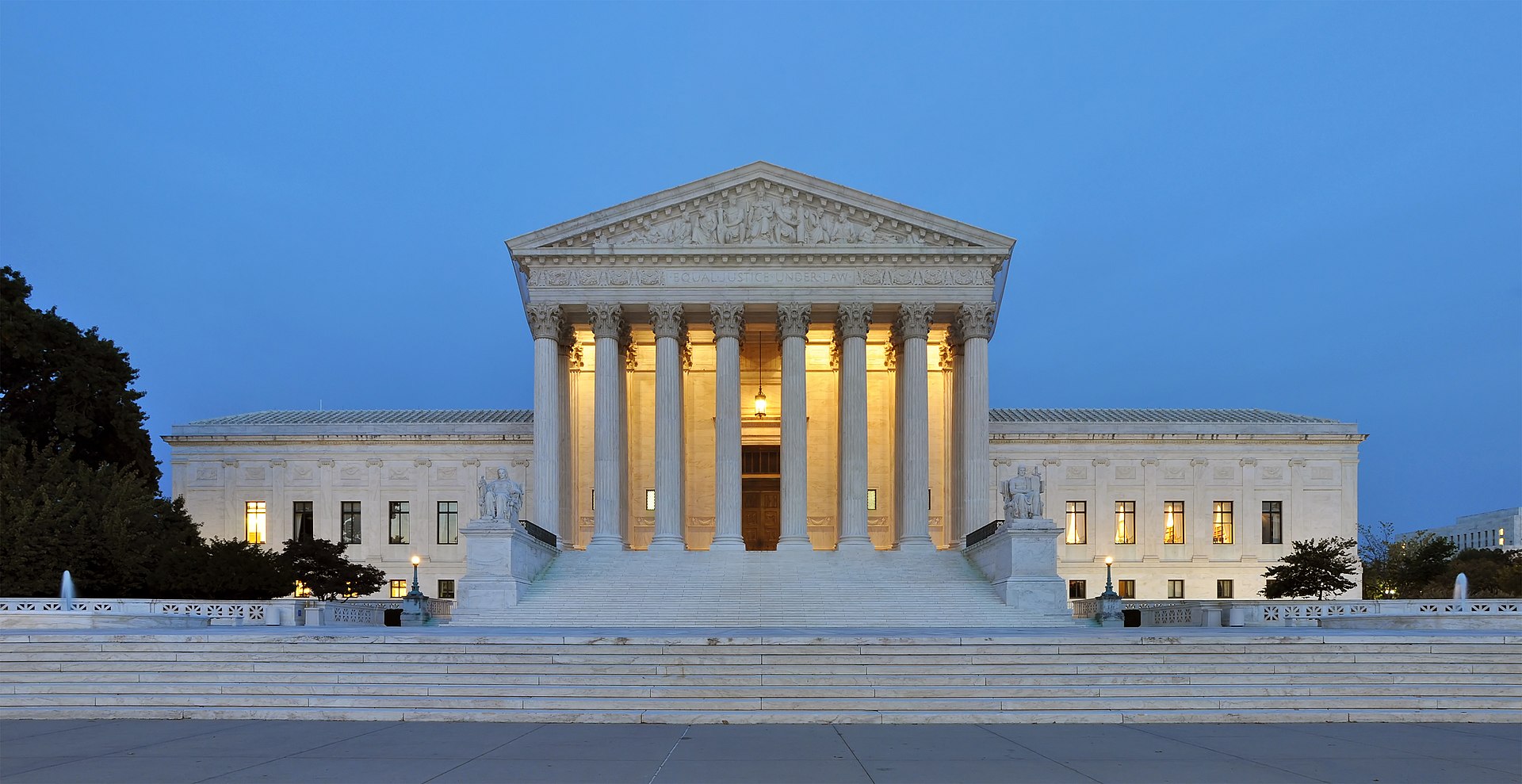
For years, the music industry has pushed the idea that internet providers should do more to crack down on piracy, especially when repeat offenders keep using the same connection to download songs illegally. But the U.S. Supreme Court just handed record labels a major loss in one of the biggest copyright cases tied to that fight.
That’s why this Reddit thread picked up attention after news broke that the Supreme Court ruled unanimously in favor of Cox Communications in its long-running legal battle with major record labels over pirated music downloaded by Cox customers. The March 25 decision wiped out the remaining path toward a massive damages retrial after lower-court proceedings had already erased a prior $1 billion award.

The Court Basically Said Cox Wasn’t the Copyright Police
The core issue was whether Cox could be held financially liable because its subscribers used its internet service to pirate music owned by labels including Sony Music, Warner Music Group, and Universal Music Group. A 2019 jury had slammed Cox with a $1 billion verdict, but appeals court rulings later narrowed the case, and the Supreme Court has now gone further by ruling Cox was not liable for contributory copyright infringement under these facts.
Justice Clarence Thomas, writing for the Court, said Cox did not induce infringement or provide a service built for piracy. In other words, the justices were not willing to treat an internet provider like it automatically becomes responsible just because some of its users break copyright law. That’s a huge deal, because the labels were trying to push a much broader theory of ISP liability.
Why the Music Industry Is Taking This as a Big Loss
From the labels’ perspective, this case was supposed to be a warning shot. They argued Cox ignored repeated infringement notices and failed to cut off serial offenders, even while piracy kept happening on its network. They wanted a ruling that would make providers much more aggressive about policing users.
Instead, the Court landed in the opposite place. Cox argued that a broader liability rule could pressure providers to disconnect homes, businesses, hospitals, universities, and other shared connections based on accusations tied to one account. That concern clearly mattered to the justices, and it is a big reason the ruling is being read as a major win for ISPs and tech companies that backed Cox’s position.
The Reaction Online Was Pretty Straightforward
Reddit’s reaction was a lot less legalistic and a lot more blunt. The top visible response basically called the whole thing impossible to enforce and said the Court made the right call. That tracks with the broader vibe around this case: a lot of people may dislike piracy, but they are still uneasy about the idea of internet companies acting as judge, jury, and executioner over access.
That’s really why this ruling matters beyond one lawsuit. It is not just about Cox or record labels. It is about where the line gets drawn between protecting copyright and turning basic internet access into something that can be cut off whenever rightsholders demand it. And this time, the Supreme Court was not buying what the music industry was selling.
More from Vinyl and Velvet:

Leave a Reply