

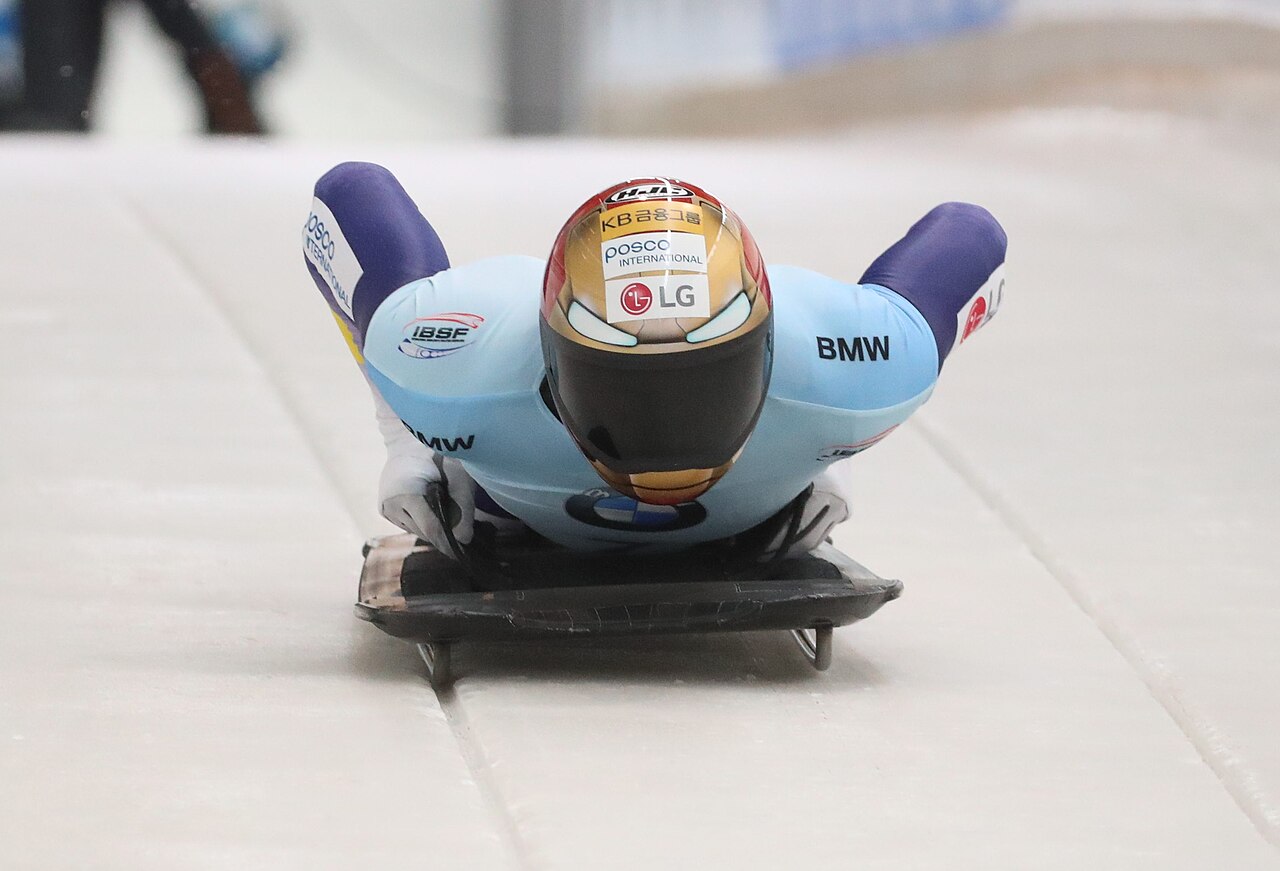
Katie Uhlaender spent two decades throwing herself headfirst down ice tracks for the United States, chasing one more shot at the Olympic stage. Instead of a farewell run in Italy, the five-time Olympian is watching the 2026 Winter Games from home after a tangled mix of rival tactics, federation decisions, and legal dead ends shut the door on her sixth bid. For a sport that usually only surfaces in highlight reels, skeleton suddenly finds itself at the center of a heated debate over fair play and how the Olympic system handles controversy.
At the heart of the storm is a single qualifying race that Uhlaender calls “corrupted,” a disputed move by Team Canada, and a selection process that left her feeling the system was stacked against her. The fallout now stretches from North American ice tracks to courtrooms in CORTINA D’AMPEZZO and the Court of Arbitration for Sport, with questions swirling about who actually protects athletes when the stakes are this high.
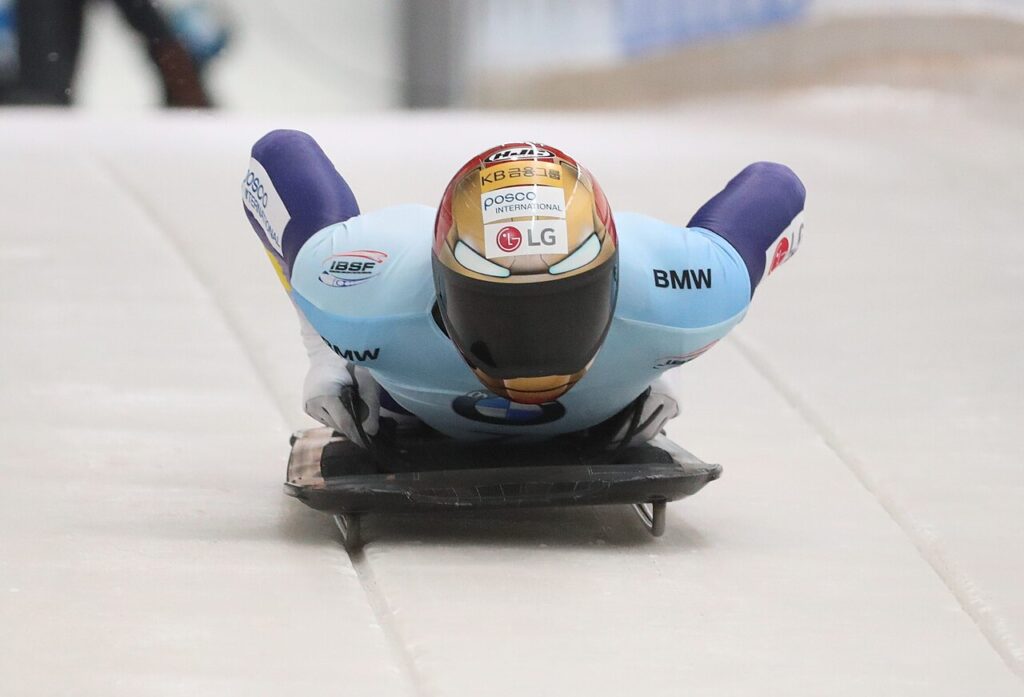
The veteran who thought she had one more Olympic run
By any normal measure, Uhlaender had earned the right to believe she would be in Milan Cortina. The Five-time Olympian Katie Uhlaender has been the face of U.S. skeleton for years, and heading into this cycle she was chasing a sixth Olympic appearance that would have capped a long, bruising career on the ice. Instead, she learned that she would not be joining Team USA at the 2026 Winter Olympics after a selection process that left her feeling blindsided, a reality laid out in detail in a NEED to KNOW breakdown of how the roster shook out.
Uhlaender has been blunt about how that felt. In interviews she has said she was unfairly denied a sixth Olympic shot and a trip to Milan Cortina, describing the decision as a gut punch after structuring her life around one more Games. She framed the snub as not just a personal disappointment but a failure of the system that is supposed to reward performance, telling one Uhlaender profile that the Olympic dream was taken out of her hands by forces off the track.
The “corrupted” qualifier and Team Canada’s tactical call
The flashpoint in all of this is a World Cup race that doubled as a key qualifier for Milan Cortina. Uhlaender has argued that the event was effectively “corrupted” when Team Canada pulled its athletes from a recent skeleton race, a move she says reshuffled the competitive field and cost her crucial ranking points. She has described how that decision left her in tears, saying she “cried” after realizing that a tactical choice by another nation, not just her own sliding, might have ended her Olympic hopes, a moment captured in a NEED to KNOW feature on how she processed that day.
Her frustration only deepened when later reporting found that Team Canada had manipulated a competition in a way that cost an American shot at the 2026 Winter Olympics, with investigators labeling the tactic unfair and unsportsmanlike. That investigation centered on how the move affected American Katie Uhlaender specifically, and it fueled her argument that the qualifier was not a level playing field, as detailed in a report on Team Canada and the impact on the American.
Cleared, contested, and still shut out
Complicating the picture, Canada’s skeleton team has also been formally cleared of allegations that it rigged a qualifying event for the Winter Olympics and denied a rival athlete a fair chance. In that review, officials concluded that while Katie Uhlaender alleged she was the target of a deliberate scheme, investigators did not find enough to prove that Canada’s Winter Olympics and selection strategy crossed the line into outright cheating, a conclusion laid out in detail in an examination of Canada and the disputed race.
That left Uhlaender in a strange limbo. On one hand, she had an investigation saying the competition was manipulated and unsportsmanlike. On the other, she faced a separate process that cleared Canada of rigging the event and left the official results intact. The broader context of the Olympic skeleton controversy between the U.S. and Canada, and how Just days before the 2026 Milan Cort Games the debate spilled into public view, has been unpacked in a detailed look at What the Olympic dispute with Canada says about the sport’s rules.
Appeals, CAS, and a jurisdictional brick wall
Once it became clear that the qualifier would stand, Uhlaender turned to the legal route. She filed a complaint arguing that she had been robbed of a chance to qualify for the Mila Cortina Games and that the selection process needed to be revisited. That complaint was ultimately dismissed, with officials deciding that the existing criteria and results would remain in place, a decision that left Open Extended Reactions among athletes who saw the case as a test of how far governing bodies will go to correct perceived injustices, as outlined in a review of Open Extended Reactions to the ruling.
From there, the fight moved to the Court of Arbitration for Sport. Katie Uhlaender’s bid for the Olympic Games went before CAS, only for the panel to say it lacked jurisdiction to hear her appeal at all. In explaining why it would not intervene, CAS pointed back to how the selection rules were written and how the international federation had applied them, a stance laid out in a detailed CAS summary of how the case was handled.
Inside the CAS ruling and what it means for athletes
The CAS decision did not just close the door on Uhlaender’s personal appeal, it also sent a message about how much room athletes really have to challenge Olympic selection calls. In Cortina Ampezzo, Italy, By Thomson Reuters Feb reported that the panel concluded it had “no jurisdiction” to revisit the skeleton qualifying process, effectively saying that the dispute belonged within the sport’s own structures rather than in an external courtroom. That stance, relayed in coverage By Mitch Phillips from Thomson Reuters Feb and By Mitch Phillips, underscored how limited CAS can be when the dispute is about selection criteria rather than a clear rule violation.
For athletes, that is a sobering precedent. If the top sports court in the world will not even take up a case where a veteran like Uhlaender claims a “corrupted” qualifier cost her the Olympics, it raises real questions about where they can turn when they believe the system failed them. The detailed explanation of why CAS stepped back, and how that left Uhlaender with no further legal path, is spelled out in the Sports coverage of Katie Uh and the jurisdiction ruling.
More from Vinyl and Velvet:

Leave a Reply