

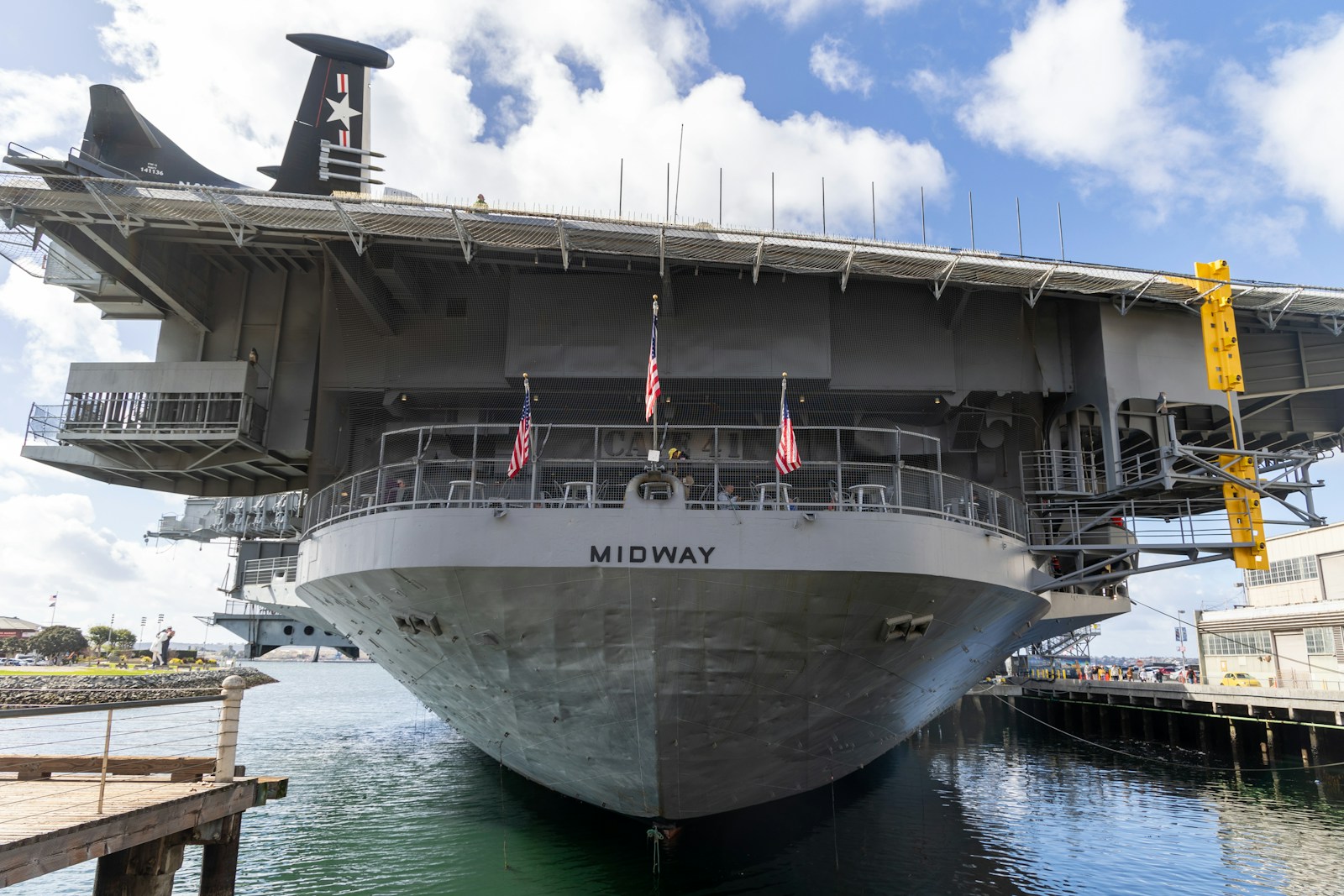
Two U.S. Navy warships collided during an at-sea refueling operation in the Caribbean, injuring two sailors and raising new questions about how such a basic maneuver went so wrong. The incident involved front-line vessels working under U.S. Southern Command and instantly turned a routine logistics drill into a safety investigation. Although both ships were able to sail away under their own power and the injuries were described as minor, the crash has already become a vivid reminder of how unforgiving the ocean can be, even on a calm operational day.
Early details from military officials point to a replenishment at sea gone sideways, with the two ships making contact while connected for fuel and supplies. The Navy has not publicly laid out the full sequence, but the broad outline is clear enough to prompt a deep dive into procedures and decision-making. For sailors aboard, monotony gave way in a split second to emergency response; for leaders watching from shore, it was a jarring setback in a region where the service has been trying to project a steady, professional presence.
How a routine refueling turned into a mid sea crash
Replenishment at sea is one of those high-wire acts the Navy practices constantly, lining up massive hulls at close quarters while fuel hoses and cargo lines stretch between them. In this case, two Navy ships in the Caribbean were conducting exactly that kind of operation when they struck each other during the maneuver, a collision captured in video that spread quickly online and was described as a horrifying moment for anyone who has ever stood on a steel deck. The warships were operating under U.S. Southern Command as part of counter-drug missions, with one identified as the USS Truxtun, a destroyer that has become a visible piece of the growing naval presence in the region, according to Southern Command briefings.
Officials say two sailors were injured in the crash, though both were later reported in stable condition and their wounds described as minor. A Navy spokesperson cited in multiple accounts stressed that both ships remained seaworthy and continued sailing safely after the impact, even as an investigation began into what exactly went wrong during the at-sea alignment. Reporting by ALEXX ALTMAN DEVILBISS for The National News described how the Navy refueling operation was tied to broader efforts against drug trafficking, sharpening the contrast between the mission’s goals and the mishap that briefly sidelined it.
The terrifying video and what it shows about risk at sea
For people who do not live on ships, the scale of what happened really lands in the footage. In one clip, two U.S. Navy ships are seen steaming in parallel in the Caribbean, closing the gap as they work through a replenishment at sea. The geometry looks routine until it is not, and then the hulls appear to angle together and collide, a mid-sea crash that instantly throws sailors off their feet and sends equipment flying. That visual, shared widely through a video of the, strips away any sense that these maneuvers are low risk or routine, even for seasoned crews.
Another angle, highlighted in coverage that called it a horrifying moment as the Navy warships collided in the Caribbean, shows the instant of impact from closer on deck, with the crunch of steel and the sudden lurch of one ship into the other. Viewers see sailors scrambling to brace, equipment swinging, and the narrow margin by which a minor mishap can become a major disaster. Averting a larger crisis required quick reactions and damage-control training that kicked in almost automatically, a point underscored in descriptions of the horrifying crash that still managed to leave only two sailors injured.
Why the Caribbean mission, and this mishap, matter
The ships were not just out for a training cruise. They were on patrol in the Caribbean in support of Operation Southern Spear, a push under Southern Command to lean harder on drug trafficking routes that snake through the region. The USS Truxtun has been described as a recent addition to that buildup, part of a larger naval presence meant to back up law enforcement and deter smugglers moving cocaine and other contraband north. In that context, the collision is more than just a seamanship failure; it is a hit to a mission that Washington has framed as a priority in the broader fight against organized crime, as detailed in coverage of the Southern Command patrols.
The crash is also unfolding against a backdrop of a broader military buildup, with two U.S. Navy ships in the Caribbean spotlighted in international coverage that tied the incident to a wider conversation about how aggressively the United States is leaning on maritime power. One report framed the mid-sea crash as happening while sailors were injured amid Trump military buildup, casting the collision as a small but vivid example of the risks that come with high-tempo operations and constant presence missions. That framing, in coverage of Navy ships in, sits alongside more nuts-and-bolts accounts that simply track the injuries, the hull damage and the investigation now underway.
More from Vinyl and Velvet:

Leave a Reply