

You’re about to see why a single line from Donald Trump about Bad Bunny’s Super Bowl halftime set sparked far more than a celebrity spat. The criticism calls the performance “un-American,” but a quick look at halftime history, the NFL’s selection logic, and Trump’s own record complicates that claim.
The simplest answer: Trump’s label clashes with precedent and context, and critics argue his own actions undercut the accusation. Expect the article to unpack his comments, explain why Bad Bunny made sense as the Super Bowl LX headliner, examine the “un-American” charge, and track how the public and media reacted.
If curiosity pulls you toward controversy, the next sections break down the politics behind the line, the NFL’s reasons, past halftime choices that defy narrow definitions of “American,” and what the performance itself may reveal about culture and spectacle.
Breaking Down Trump’s Comments
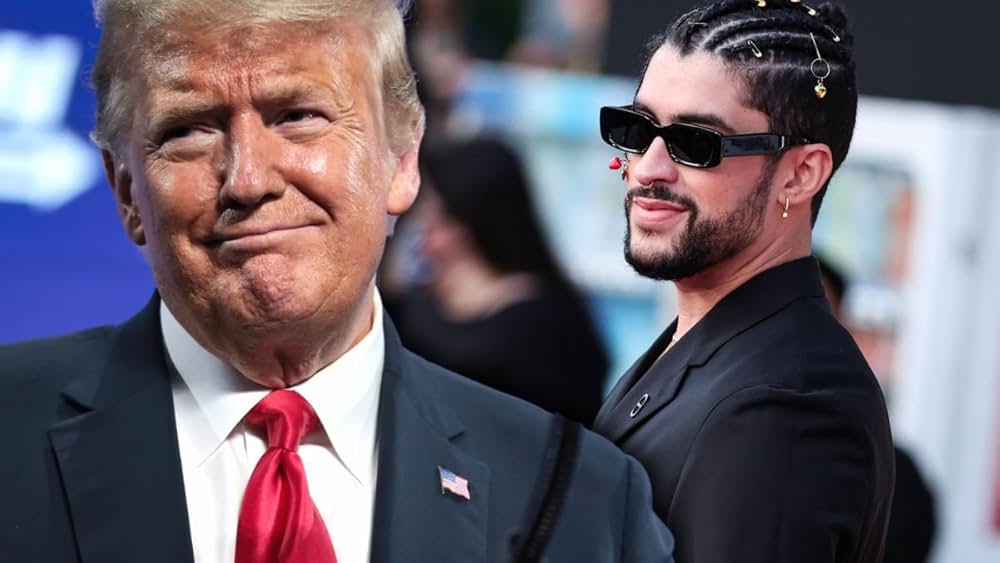
Trump called the halftime show “an affront to the Greatness of America” and complained the performance was “un-American,” saying viewers couldn’t understand the Spanish lyrics and that the dancing was inappropriate for children. His remarks sparked a wider debate about language, representation, and politics at Super Bowl LX.
Claims of the Halftime Show Being ‘Un-American’
Trump argued the Spanish-language set and its performers did not represent American values, calling the show “one of the worst” and saying it offended the country’s greatness. He singled out the lack of English lyrics and the show’s aesthetics as evidence.
Critics counter that Puerto Rico is part of the United States and that a Spanish performance reflects millions of U.S. citizens. Many viewers and commentators noted the halftime’s inclusive messaging, including references to countries across the Americas, rather than an attack on national identity.
Read Trump’s comments and the broader reaction in coverage of the event, including how opponents framed his language as politicizing entertainment by targeting race, language, and immigration issues. For background on those reactions, see reporting on the show’s reception and the political backlash.
Context Behind the Controversial Statement
Trump’s critique followed months of partisan commentary about the Super Bowl lineup, with MAGA-aligned voices preemptively labeling the choice controversial. His postgame statements referenced prior remarks by the performer about Immigration and Customs Enforcement (ICE), tying artistic choices to policy disagreements.
The halftime’s collaborators and guests—established pop and Latin artists—framed the set as a cultural showcase, not a political manifesto. Viewership numbers and celebrity endorsements suggested broad audience interest, while some conservative viewers preferred an alternative “All American” counterprogram that streamed simultaneously.
This context shows the complaint mixed cultural preferences with political grievance, rather than focusing solely on production quality or audience metrics for Super Bowl LX.
Political Implications for Super Bowl LX
Trump’s attack injected partisan energy into what is usually a commercially driven halftime slot, prompting networks, advertisers, and the NFL to weigh backlash risks. Sponsors and broadcasters now face amplified scrutiny over headliner choices and potential boycotts tied to politics.
The episode may influence future performer selection, pushing organizers to consider language, political history, and expected public reaction when programming Super Bowl LX and beyond. It also highlighted how a single performance can become a litmus test for cultural belonging in national events.
Why Bad Bunny Was Chosen for Super Bowl LX
The selection combined measurable audience reach, a strategic league push toward broader representation, and clear revenue upside. Each factor played a defined role in the NFL’s decision to put Bad Bunny on the Super Bowl LX stage.
Bad Bunny’s Global Popularity
Bad Bunny entered Super Bowl LX as one of the most-streamed artists worldwide, with years of top-streaming rankings and multiple Grammy wins. He consistently sells out stadiums across the Americas and Europe, which promised a built-in global audience for the halftime broadcast.
His music charts in both Spanish-language and mainstream markets, widening the Super Bowl’s international streaming and advertising pull. That cross-market strength translated into predictable viewership spikes for platforms and sponsors aiming to reach younger, bilingual, and Latinx demographics.
NFL’s Push for Diversity and Inclusion
The NFL has publicly emphasized growing its fan base among Hispanic viewers and younger audiences. Booking Bad Bunny directly addressed that goal by featuring a high-profile Latin artist who performs primarily in Spanish.
This decision also fit the league’s broader diversity efforts: it showed responsiveness to changing U.S. demographics and signaled willingness to center non-English performances on a marquee platform. The move reduced barriers for advertisers seeking authentic connections with new audience segments.
Commercial and Cultural Impact
From a commercial standpoint, Bad Bunny delivered a measurable business case: higher social-media engagement, streaming boosts, and advertiser interest tied to culturally relevant programming. Brands with Latinx customer bases saw clear alignment between halftime exposure and market reach.
Culturally, the performance generated global conversation about representation, language, and politics on a major American stage. That conversation amplified the NFL’s brand visibility, even as it invited polarized responses from commentators and political figures.
Debunking the ‘Un-American’ Label
The claim that a Spanish-language halftime show is “un-American” ignores legal citizenship, linguistic diversity, and measurable cultural reach. Facts about Puerto Rico’s political status and Bad Bunny’s commercial success directly challenge that label.
Puerto Rico’s Status and U.S. Citizenship
Puerto Rico is a U.S. territory; people born there are U.S. citizens by birthright under the Jones-Shafroth Act of 1917.
That legal status means Puerto Ricans hold U.S. passports, pay some federal taxes, and serve in the U.S. military.
Political representation differs from statehood: Puerto Rico has a non-voting Resident Commissioner in Congress and limited federal voting rights for local officials.
These distinctions shape debates over rights and resources but do not negate citizenship or the belonging of Puerto Rican culture to the American fabric.
Key facts:
- Citizenship: automatic for those born in Puerto Rico.
- Federal benefits: partially applicable, varies by program.
- Political voice: limited representation in Congress, active statehood movement.
Bad Bunny’s Chart-Topping Success in the U.S.
Bad Bunny has repeatedly led U.S. charts, proving broad American commercial and cultural reach.
His albums and singles have topped Billboard charts and streamed heavily across the United States.
He collaborated with major U.S. artists, sold out U.S. arenas, and performed at televised national events with large American audiences.
Those metrics—chart positions, streaming numbers, ticket sales—demonstrate measurable popularity among U.S. listeners regardless of language.
Quick evidence highlights:
- Billboard chart performance in the U.S.
- High U.S. streaming and sales figures.
- Major U.S. performances and collaborations with American artists.
History of Super Bowl Halftime Shows
Halftime shows evolved from marching bands and themed spectacles into high-profile pop concerts that draw global audiences and media attention. Performers have ranged from American pop icons to international stars, and the staging, guest artists, and language choices have sometimes sparked political and cultural debates.
Non-American Headliners in the Past
The Super Bowl has featured several headliners born outside the contiguous United States. Canadian acts like The Weeknd (born in Toronto) headlined Super Bowl LV, delivering a production-heavy set that blended R&B and pop. Puerto Rican artists have appeared as guests and leads; for example, Ricky Martin performed in major NFL halftime lineups before guest spots by other Puerto Rican talents increased visibility for Latin music.
European and Caribbean performers have also taken central roles, though fully non-American-language headliners remained rare until recent years. The inclusion of international stars reflects the NFL’s push to broaden the event’s global reach, with choices shaped by commercial drawing power, streaming metrics, and cross-market appeal. Super Bowl LX programming continued that trend, seeking acts with worldwide streaming numbers and bilingual or multilingual repertoires to attract diverse viewers.
Diversity Trends Over the Decades
Halftime lineups shifted notably from instrumental pageantry in the 1960s–1980s to celebrity-driven pop spectacles from the 1990s onward. The NFL began booking mainstream pop and rock stars to boost TV ratings after halftime viewership dips. The 1990s and 2000s saw predominantly Anglo-American headliners, but the 2010s and 2020s increased representation of Black, Latino, and female performers.
Artists now often blend genres—hip-hop, reggaetón, Latin pop—with large ensembles and guest stars, signaling broader commercial acceptance of non-English music. Production scale rose, bringing elaborate sets, choreography, and cross-genre collaborations. These trends influenced artist selection for events like Super Bowl LX, where organizers weighed cultural impact, language choices, and potential controversy alongside audience reach.
Public and Media Reactions
Reactions split sharply along political lines, with some calling the performance a historic celebration of Latin music and others denouncing it as un-American. Commentators and politicians amplified both praise and criticism, driving a polarized national conversation.
Critics and Supporters Sound Off
Conservative figures, including Donald Trump, labeled the halftime show “terrible” and “an affront to the Greatness of America,” criticizing the Spanish-language performance and choreography. Trump posted a lengthy rant on Truth Social arguing the show didn’t represent “our standards of Success, Creativity, or Excellence” and complained about children seeing the dances.
Supporters countered that Bad Bunny’s set made history as the first male solo Latin artist to headline and highlighted its celebration of Latin genres and inclusion of guests like Ricky Martin and Lady Gaga. Several public officials and artists praised the message of unity and Bad Bunny’s shout-out to countries across the Americas. Media reviews varied, with some outlets emphasizing cultural significance and others focusing on partisan backlash.
Social Media Debates
On social platforms, clips and hot takes spread rapidly. Critics amplified excerpts to underscore objections; Trump’s post and conservative commentary generated waves of shared posts criticizing language and content. Alternative broadcast attempts, like Turning Point USA’s counterprogramming, drew millions of online views and fueled comparison-driven debates.
Proponents posted full-performance highlights, translated key lines, and pointed to historic streaming numbers and Grammy wins to challenge claims that the set lacked mainstream appeal. Hashtags and comment threads oscillated between cultural celebration and political grievance, keeping the halftime show a trending topic across X, TikTok, and streaming discussion threads.
What to Expect from Bad Bunny’s Performance
Anticipate a high-energy, bilingual production that blends reggaetón, trap, and pop with choreographed staging and strong visual statements. Expect songs that highlight both his recent Grammy-winning album and widely streamed hits.
Speculation on the Setlist
Bad Bunny will likely open with a rhythmic, crowd-facing number to establish momentum. Songs from his 2025 album that earned a Grammy and his biggest streaming hits should anchor the set, balancing Spanish-language tracks with a few crossover singles to engage wider viewers. He often sequences high-tempo dance tracks with slower, emotive songs; look for that pacing to give the halftime show peaks and a quieter moment for lyrical emphasis.
He favors concise arrangements for TV performances, so expect abbreviated versions and mashups. Production may emphasize percussive beats, live band elements, and layered backing vocals to recreate studio sound while keeping stadium dynamics alive.
Potential Guests and Surprises
Guest appearances could include Latin artists who have collaborated with him or mainstream acts that broaden appeal. Surprise cameos usually serve narrative or cultural points, so collaborators from recent tours or featured tracks are most probable. A tribute segment or visual nod to Puerto Rico might appear, given his public stance on identity and politics.
Staging surprises could involve aerial choreography, large-scale projections, or an interactive crowd moment near the field. Security and NFL guidelines limit some theatrics, but creative wardrobe, lighting shifts, and quick set changes remain likely to maximize impact during the short halftime window.
More from Vinyl and Velvet:

Leave a Reply