

You spot the headlines and feel pulled into the debate: a former president calls a largely Spanish-language halftime set a disrespect to American traditions, while fans and officials hail it as historic and inclusive. This piece shows what Trump said, why his reaction matters, and how Bad Bunny’s performance — with its language choice and guest appearances — reframed the Super Bowl conversation.
The article breaks down the political pushback and the creative choices onstage so you can judge the claims against the facts. Expect clear examples of Trump’s statements, context about the halftime show’s cultural signals, and what different reactions reveal about national identity.
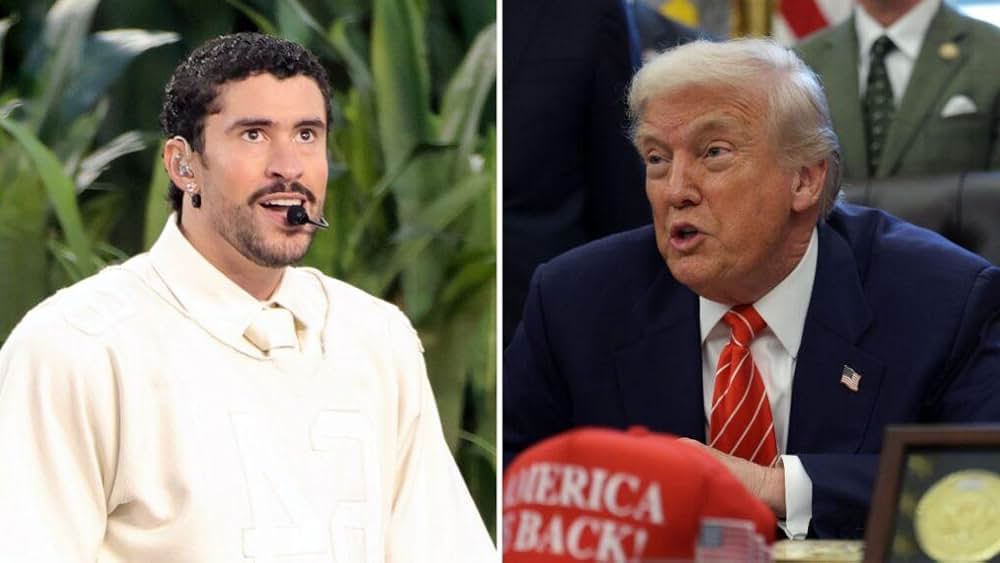
Trump’s Criticism of Bad Bunny’s Super Bowl Halftime Show
President Trump sharply criticized Bad Bunny’s Super Bowl LX halftime performance, calling it “absolutely terrible” and saying it didn’t meet his idea of American standards. He posted multiple comments on Truth Social framing the show as offensive to his view of national traditions and cultural norms.
Main Complaints Shared on Truth Social
Trump’s posts on Truth Social described the halftime show as “absolutely terrible” and “one of the worst, EVER,” targeting both the artistic choices and the language used in the set. He focused on the largely Spanish-language portions, writing that “nobody understands a word this guy is saying,” and used the platform to call the performance a “slap in the face” to the country.
He also criticized production elements and guest appearances as departures from what he considers traditional Super Bowl halftime entertainment. Trump reiterated prior comments about performer selection and connected this event to broader complaints he has aired about media and cultural institutions.
Comments on American Traditions and Standards
Trump framed his reaction around notions of American traditions and standards, saying the show disrespected those ideals. He referenced national symbols and language expectations implicitly by objecting to a Spanish-dominant performance at a flagship American broadcast event.
In posts tied to Mar-a-Lago commentary and his political messaging, he linked entertainment choices to cultural identity debates. His remarks appealed to supporters who prioritize English-language prominence and conventional Super Bowl pageantry over experimental or multicultural presentations.
Allegations of Disrespect and Cultural Tensions
Trump accused the halftime show of being an affront to the “Greatness of America,” suggesting the performance contributed to cultural division. He portrayed the event as evidence of a broader cultural shift he opposes, invoking the term “fake news media” in other contexts to argue mainstream outlets misrepresent public reaction.
Those comments ignited pushback from fans and artists who viewed the set as a celebration of Latino culture and inclusion. Media coverage of the fallout highlighted how a single halftime show became a focal point for ongoing cultural tensions in the 2026 political landscape.
The Halftime Show: Bad Bunny’s Performance and Featured Guests
Bad Bunny delivered a layered, highly produced set that mixed Spanish-language songs, spectacle, and direct cultural references. The performance included guest appearances, a staged wedding, and visible nods to Puerto Rican identity and broader Latin American culture.
Bad Bunny’s Celebration of Latino and Puerto Rican Heritage
Bad Bunny positioned Puerto Rican and Latino culture at the center of the halftime show. He performed primarily in Spanish and invoked Puerto Rican roots through costume, choreography, and song choices that highlighted reggaetón, Latin trap, and Caribbean rhythms. He also repeated a phrase in Spanish, signaling resilience and presence, and held a football with the English phrase “Together, We Are America,” blending bilingual messaging.
He used visual staging and dancers to reference island aesthetics and diasporic identity. The set emphasized communal celebration rather than individual spotlight, which resonated with many viewers who saw it as a cultural showcase rather than a traditional, English-centered halftime production.
Star-Studded Appearances and On-Stage Moments
The show featured a series of notable guest turns and cinematic moments. Lady Gaga and Ricky Martin appeared on stage, joining Bad Bunny in high-profile cameos that underscored crossover appeal and star power. There was also a staged wedding sequence that mixed theatricality with sport—an unexpected personal vignette during the halftime runtime.
Other celebrity figures and performers associated with the Latin music scene, including appearances by artists like Young Miko and Karol G in promotional contexts, amplified the lineup’s diversity. Cast members and famous attendees such as Jessica Alba and Pedro Pascal were visible in audience shots, marking the event as a cultural moment beyond music alone.
Bad Bunny’s Grammy Recognition and Messages of Unity
Bad Bunny arrived at the Super Bowl following high-profile industry recognition, including Grammy wins and public moments at the Grammy Awards. He used that platform to reiterate political and social stances—most notably a recent “ICE out” comment—and brought those attitudes into his halftime messaging in subtler ways. During the set he offered a brief English-language blessing, “God bless America,” and named countries across the Americas, signaling an inclusive continental message.
He balanced political hints with overt calls for togetherness, using multilingual lines and symbolic props to invite a wider audience while keeping his artistic identity intact. That mix of award-stage credibility and public statements informed how viewers interpreted the performance.
Contrast with Turning Point USA’s ‘All-American Halftime Show’
A competing themed presentation—marketed by Turning Point USA as an “All-American halftime show”—presented a deliberately different aesthetic. That event leaned into traditional country and rock artists, with performers such as Kid Rock, Brantley Gilbert, Lee Brice, and Gabby Barrett associated with red-meat patriotic themes. The contrast highlighted divergent ideas about American identity on the same weekend.
Where Bad Bunny foregrounded Latin heritage and bilingualism, the Turning Point USA lineup emphasized classic, rural, and anglo-centric musical tropes. The juxtaposition underscored political and cultural divides that extended beyond music into immigration debates and national symbolism. For more on reactions and coverage of the halftime controversy, see reporting by The New York Times on Trump’s response to the show.
More from Vinyl and Velvet:

Leave a Reply