

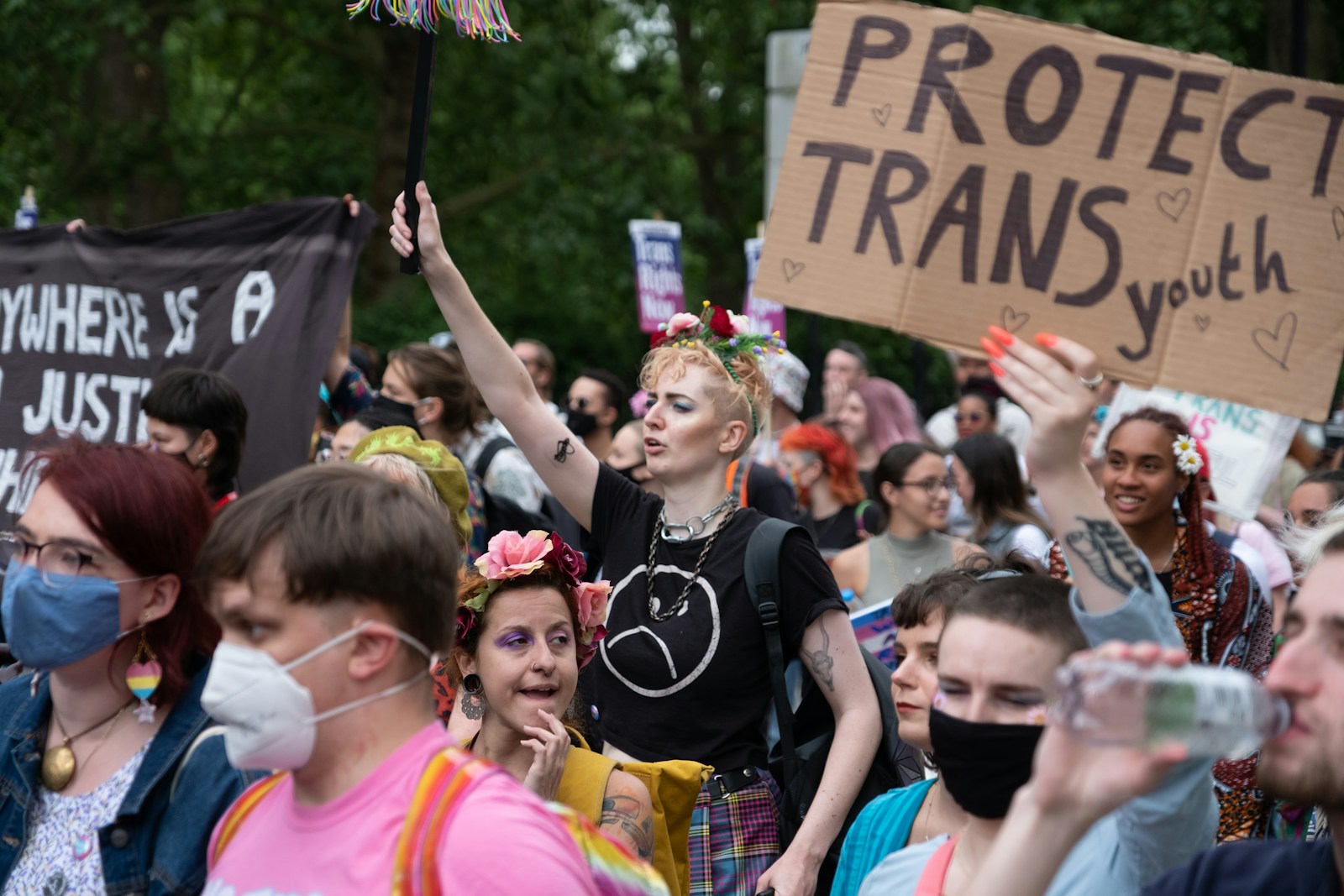
A teenage girl sits across from her father at the kitchen table, explaining that she has chosen a new name linked to archangel lore and that her transition is not about anyone else’s expectations. Their clash over this choice captures a wider struggle playing out in living rooms, courtrooms, and churches, where trans young people fight to define themselves on their own terms. For many, the first and fiercest battle is not over hormones or legal paperwork, but over the simple, profound question of what they are called.
Behind that argument about an archangel name lies a deeper conflict about ownership of identity, family legacy, and faith. Parents may see a child’s name as a gift they bestowed and a thread tying generations together, while a trans teen may see a chosen name as the first solid ground under their feet. When those views collide, the result can be heartbreak on both sides and a test of whether love can stretch to accommodate a truth that feels non‑negotiable to the young person who lives it.
Why chosen names carry sacred weight for trans teens
For trans teenagers, choosing a name often marks the moment their internal sense of self becomes visible to the outside world. Many describe that step as a threshold, the point where they stop treating their gender as a private thought experiment and start asking others to meet them where they are. In one video, a young woman named Mar talks about how people around her say they do not understand transgender issues, yet she still has to live them every day, underscoring how a name request can feel like the bare minimum of recognition in a world that often lags behind. When a teen insists that a transition is not about anyone else, that insistence usually grows from months or years of quiet self‑reflection that family members never saw.
Research and personal narratives point to the way chosen names crystallize identity. One study on Choosing identity labels among transgender and non‑binary people found that some participants selected symbolic names drawn from religious traditions, stories, or characters rather than from their birth names, a pattern that helps explain why a teen might gravitate toward an archangel. Another analysis of transmasculine experiences during the early COVID‑19 outbreak noted that self‑selected names are deeply personal and that even pseudonyms in research were chosen to be fully reflective of participants’ lives. For a teen, then, a name tied to archangel lore can function as a statement of resilience, spiritual meaning, and a refusal to be defined by anyone else’s script.
Family legacy, religion, and the sting of rejection
Parents often arrive at these conversations with their own powerful stories attached to a child’s birth name. In one widely discussed case, parents explained that their son Oliver was their only child and that the name carried a family tradition stretching back through his father and grandfather, making it painful to imagine letting it go. That kind of attachment can turn a teen’s request into what feels, to a parent, like a rejection of heritage rather than a survival strategy. When a father hears his daughter adopt the name of an archangel, he might hear defiance or theological challenge where she feels only alignment between her faith and her gender.
Religious belief can either deepen the rift or offer a bridge. Some trans Christians ask whether, when they pick their names, God already knows the choice, reflecting a conviction that their identity and spirituality are intertwined rather than opposed. Others share stories of choosing names that echo saints or angelic figures, turning tradition into a source of strength rather than condemnation. Pastoral reflections on the act of naming describe teachers in LGBTQ student groups who see young people light up when their chosen names are spoken aloud, suggesting that religious communities can respond to an archangel name not as provocation but as an invitation to honor a teen’s sense of sacred self.
How trans teens actually pick their names
Despite adult fears that a new name is impulsive or attention seeking, many trans people describe long, careful processes behind their choices. Contributors in one discussion of chosen name stories describe picking first names from great grandmothers on a father’s side, middle names from great grandmothers on a mother’s side, or combining family names into something new. Others say their birth names were tied to painful memories or gendered expectations and that selecting a different name felt like reclaiming control over their life narrative. That mix of family homage and personal reinvention mirrors the teen who looks to archangel lore, blending spiritual symbolism with a desire to step outside the constraints of a birth certificate.
Faith based narratives show similar patterns. In one collection of sacred stories, a man named Dylan explains that he legally changed his first, middle, and last names and that the meanings of those names reflect the man he understands himself to be. Another contributor in that set describes a name that connects to Catholic tradition, while others draw on stories and characters from literature. A separate conversation among trans Christians asks whether, when people pick trans names, Transitioning is about aligning inner truth with how others see them, rather than about rejecting parents or partners. Against that backdrop, an archangel name looks less like a teenage whim and more like a deliberate attempt to anchor gender, history, and spirituality in a single word.
Parents who want to help, and the line between support and control
Not every conflict comes from outright rejection; some parents want to participate so actively that support tips into control. In one discussion, a mother named Jun is told by commenters that while wanting to help her trans teen choose a name is understandable, the identity and the final decision belong to the child. Commenters draw a sharp distinction between brainstorming together and trying to override a teen’s preferred name because it does not fit a parent’s taste or expectations. For a girl who has chosen an archangel name, a parent’s push to steer her toward something more conventional can feel like an attempt to edit out the parts of her identity that feel most powerful to her.
Therapists who work with trans adolescents stress that genuine support means respecting the teen’s autonomy while still offering guidance on safety and practicalities. One counseling service that focuses on transgender youth in Pennsylvania outlines strategies for What to do if parents do not accept a trans identity, including connecting with LGBTQ affirming counselors, building a chosen family, and creating a support network. That advice implicitly recognizes that some parents will never embrace an archangel name or any other chosen identity marker, and that teens still deserve communities that will. At the same time, resources for families, such as Comments Section Gender, encourage parents to learn how to talk to kids about gender in a supportive way, which can turn a clash into a conversation rather than a rupture.
Law, community, and the message a name sends
Beyond the kitchen table, legal systems and peer groups send powerful messages about whether a trans teen’s name is real. In one Ohio case, a judge initially blocked a teen’s request to change his name, a decision that left his parents feeling like Josh Langdon, the lawyer for the Whitakers, said they were being told that being transgender was a fad. That ruling was later overturned after the family appealed to another judge, Kirby, and the reversal signaled that courts can either reinforce or challenge the idea that a teen’s chosen name is a legitimate expression of self. When a legal system affirms a name, it can undercut a parent’s argument that the change is temporary or unserious.
More from Vinyl and Velvet:

Leave a Reply