

You’ll want the facts, fast: Tony Hawk denied any connection to Jeffrey Epstein’s private island and showed a clear wedding timeline to refute the claim. He called the online link between his wedding photos and Epstein “nonsense,” saying the similarity in a photographer’s surname sparked a misinformation spiral.
This post breaks down how the rumor started, how Hawk answered it, how the public and media reacted, and what the episode reveals about the spread of false claims online. Expect a concise timeline of Hawk’s verified wedding locations, an explanation of the mistaken photographer credit, and the broader lessons about verifying viral allegations.
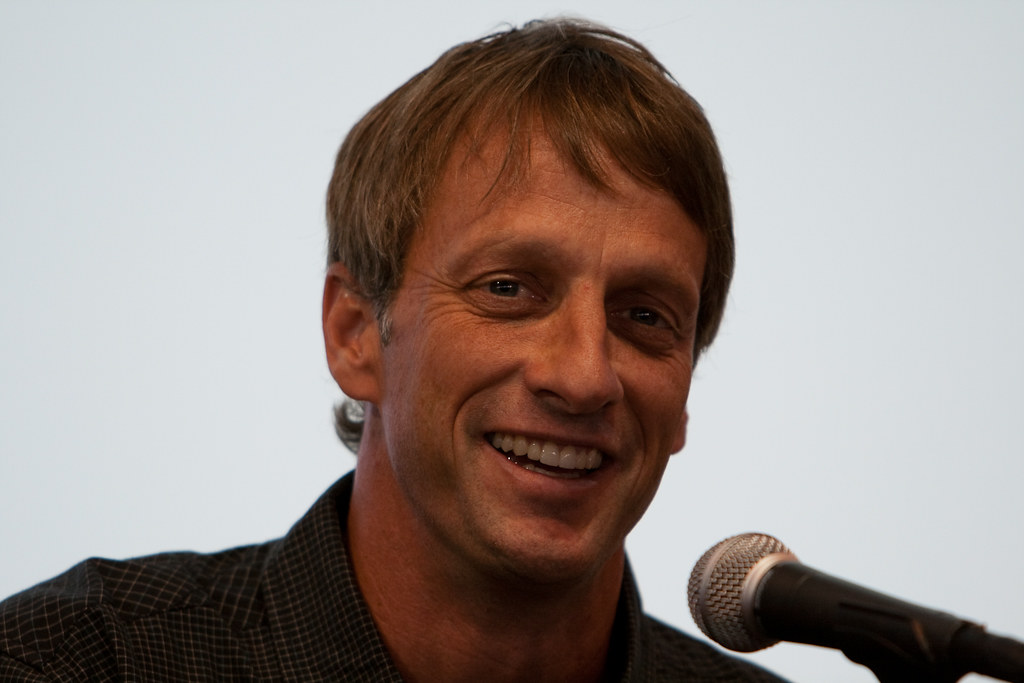
Tony Hawk’s Response to Epstein Rumors
Tony Hawk denied the claims directly, provided a clear timeline of his weddings, and identified the coincidental name that sparked the confusion.
Direct Statements from Tony Hawk
Hawk posted on Instagram to correct false reports and apologized to the photographer dragged into the narrative.
He listed the verified locations and years of his four weddings—Fallbrook, California (1990); San Diego (1996); Tavarua, Fiji (2006); and Ireland (2015)—to show none occurred on Epstein’s U.S. Virgin Islands property.
He explained the specific cause of the mix-up: a photographer credited on Getty Images is named Mark Epstein, but Hawk said that Mark is an action-sports photographer from Wyoming with no relation to Jeffrey Epstein.
Hawk called the viral claims “nonsense” and described the spread as an online misinformation spiral, urging basic fact-checking.
Context Behind the False Accusations
The rumor began after recently released federal documents included a third-party tip that loosely referenced a wedding and listed names that matched unrelated people.
That loose connection, combined with a credited photographer’s surname, created a misleading impression.
Public records and image credits show the wedding locations and photographer identity are verifiable.
Mentions of Hawk in the documents also relate to a 2010 video game title, not personal travel or events, which further disconnects him from the allegations.
The Role of Social Media in Spreading Misinformation
Social platforms amplified the claim quickly through reposts and speculative threads, with few users checking primary records or image metadata.
A single shared image credit and a truncated reading of documents produced many reposts that treated coincidence as evidence.
Platforms’ algorithmic emphasis on engagement favored sensational interpretations over verification.
Hawk’s response and clarified facts—wedding locations and photographer identity—address the specific errors that social sharing had turned into a widely repeated falsehood.
Origins of the Misinformation Spiral
The false link arose from a few specific misread items: a photographer’s last name appearing in image credits, a loosely worded third-party tip in court documents, and rapid social media amplification that ignored simple timeline checks.
How the Epstein Rumors Started
A Getty Images credit listed a photographer named Mark Epstein for Tony Hawk’s 2006 wedding photos on Tavarua Island, Fiji. That coincidence of surname triggered initial speculation tying Hawk’s ceremony to Jeffrey Epstein’s private island. Hawk’s public timeline—weddings in Fallbrook (1990), San Diego (1996), Fiji (2006) and Ireland (2015)—directly contradicts any claim he wed on Epstein’s U.S. Virgin Islands property.
The confusion intensified after newly released federal documents included a third‑party tip referencing a wedding on a private island without naming locations. That vague language, combined with the shared surname in photo credits, provided enough loose hooks for conspiracy-minded accounts to connect unrelated dots.
Key Figures Involved in the Spread
Several influencers and unverified accounts amplified the claim by reposting the photo credit and asserting familial ties between Mark Epstein and Jeffrey Epstein. Media-savvy commentators then circulated screenshots and headlines that omitted context about where Hawk’s wedding actually occurred.
Photographers and journalists who knew the credited shooter pushed back, clarifying that Mark Epstein is an action sports photographer based in Wyoming with no known connection to Jeffrey Epstein. Hawk himself publicly listed the verified locations of his weddings, directly refuting the central factual claim used by the rumor spreaders.
Social Media Platforms’ Influence
Algorithmic feeds prioritized engagement over verification, which magnified the rumor within hours. Short video clips, meme-format posts, and threaded speculation encouraged rapid resharing, while fact‑checking labels and clarifying posts lagged behind.
Twitter/X threads and Instagram reposts often stripped captions of context, leaving only the misleading surname and a suggestive claim. Platform moderation eventually lowered visibility for some posts, but the initial velocity had already seeded the narrative across smaller forums and private messaging groups.
For more details about Hawk’s rebuttal and the underlying documents, see Tony Hawk’s clarification on the matter.
Public and Media Reactions
The initial response split into vocal fan support, extensive news coverage, and debate over how the rumors affected Tony Hawk’s reputation. Reactions ranged from personal defense on social platforms to analytical reporting in national outlets.
Support from Fans and the Skateboarding Community
Fans and pro skaters largely rallied behind Hawk on social media and in interviews. Many reposted his statement and used hashtags defending him, arguing the claims lacked credible sourcing. Prominent skaters publicly vouched for his character, and smaller skate shops and event organizers reiterated business ties or support.
Online communities emphasized Hawk’s decades-long presence in skateboarding and his charity work with The Skatepark Project. That context shaped a defensive response: long-time followers framed the rumors as inconsistent with their experiences. Some fans, however, urged caution and asked for independent verification rather than immediate dismissal.
Major Media Coverage of the Rumors
National outlets published timelines of how the rumors spread, noting key posts and accounts that amplified them. Investigative pieces examined original claims, quoted legal experts on defamation risks, and referenced prior high-profile cases involving misinformation. Coverage varied in tone: tabloid sites leaned sensational, while reputable papers focused on verification and fact-checking.
Broadcast networks ran segments that juxtaposed Hawk’s public denial with reactions from peers and media analysts. Several outlets updated headlines as new details emerged, highlighting how quickly online narratives can mutate and the challenges journalists face separating rumor from substantiated reporting.
Influence on Tony Hawk’s Public Image
The episode prompted immediate image management and narrative control by Hawk’s team. He issued a direct statement and shared documented timelines to counter the claims, aiming to preserve sponsorship relationships and public trust. Brands associated with him monitored sentiment and some released neutral statements stressing they were reviewing the situation.
Longer-term impact depended on verification outcomes and media follow-up. For many casual observers, the incident introduced friction into Hawk’s otherwise steady public profile; for core fans, it reinforced loyalty after he addressed the matter promptly. Reputation analysts noted the incident illustrated how fast a legacy built over decades can be tested by viral allegations.
Tony Hawk’s Track Record and Public Persona
He built a global reputation through skateboarding innovation and steady media presence. His competitive record, product lines, and public appearances define his mainstream recognition.
Career Achievements and Legacy
Tony Hawk turned pro as a teenager and landed the first documented 900 in 1999, a milestone that shifted vert skating expectations.
He won multiple National Skateboard Association titles in the 1980s and early 1990s and maintained relevance by competing, filming parts, and pushing technical tricks into his 30s and beyond.
Hawk expanded skateboarding into mainstream culture with the bestselling Tony Hawk’s Pro Skater video game franchise, which introduced the sport to millions and created a lucrative licensing ecosystem.
He also launched Birdhouse Skateboards and produced influential skate videos that showcased new talent and styles.
His hall-of-fame inductions and regular appearances at demos and contests keep him visible to both older fans and younger skaters.
Charity Involvement and Social Impact
He founded the Tony Hawk Foundation (now The Skatepark Project) to fund public skateparks, focusing on low-income neighborhoods and youth access.
The foundation has granted funds to build hundreds of community skateparks across the U.S., emphasizing safe, legal places for kids to skate.
Hawk leverages his brand for fundraising through auctions, benefit events, and partnerships with corporations and local governments.
He frequently speaks about skateboarding’s benefits—physical activity, creativity, and community-building—while supporting programs that use skateboarding for youth development and urban revitalization.
For the original reporting on the misinformation claims and his response, see Tony Hawk’s statement in this Complex article.
The Broader Impact of Online Misinformation
False claims spread quickly and can damage reputations, disrupt careers, and force costly legal and PR responses. Social platforms, search engines, and fan communities all play roles in amplifying or correcting those claims.
Consequences for Public Figures
Misinformation can erode a public figure’s income and partnerships almost immediately. Brands often pause endorsements within hours of viral accusations, and booking agents may cancel appearances to avoid association.
Legal costs and time spent rebutting falsehoods divert energy from work and personal life. Even after retractions, search results and archived posts can keep the allegation visible for years, affecting legacy projects and future deals.
Emotional toll and safety concerns also follow. Public figures receive harassing messages and threats that require security measures or private investigators, creating ongoing expense and stress.
Fighting Back Against False Accusations
Prompt, factual responses work best: direct statements, verified documents, and timestamps help counter specific claims. Tony Hawk’s public denial and engagement with reputable outlets illustrates using trusted channels to reach broader audiences.
Legal action and DMCA takedowns can remove some content, but they are costly and slow. Combining legal steps with proactive media work—interviews, social posts with evidence, and third-party confirmations—reduces the rumor’s reach faster.
Platforms can assist through rapid flagging and appeals. Public figures should maintain documented timelines and digital records to simplify corrections and present clear rebuttals when misinformation arises.
Looking Ahead: Lessons from the Incident
This episode highlights how quickly rumors can spread online and how they can harm reputations. He and others involved need faster, clearer ways to correct false narratives.
Platforms bear responsibility for reducing misinformation amplification. Improved labeling, friction for viral claims, and clearer provenance for sources could help.
Public figures should prepare concise, factual responses for false allegations. A brief official statement and verified social posts often work better than long rebuttals.
Media outlets also play a role by verifying claims before amplifying them. They can prioritize primary documents and responsible sourcing over sensational leads.
Fans and the public can slow misinformation by pausing before sharing sensational rumors. A single retweet can turn a minor claim into a major story.
Legal options remain a tool for serious defamation, but they are costly and time-consuming. Nonlegal strategies — coordinated PR and rapid fact-checks — can be more practical for many.
This incident suggests a need for better digital literacy education. Teaching people to check credentials, dates, and original sources would reduce the chance of future misinformation spirals.
More from Vinyl and Velvet:

Leave a Reply