

You catch a flash of Tom Brady’s Instagram Story and wonder what he thought of Bad Bunny’s record-setting Super Bowl halftime show. He summed it up with one enthusiastic word — “Amazing” — making his reaction short, clear, and easy to spot.
As you move through the post, you’ll see exactly how that quick response landed amid a star-studded set and massive viewership, and why a single-word verdict from a figure like Brady matters. Expect a concise look at his reaction, the performance highlights, and the broader cultural ripple the halftime show created.
Tom Brady’s Reaction to Bad Bunny’s Super Bowl Halftime Show
Tom Brady reacted quickly on social media, using a short caption and emojis to express clear enthusiasm. His post highlighted the performance’s emotional impact and conveyed support for a milestone halftime show.
How Tom Brady Shared His Thoughts on Instagram
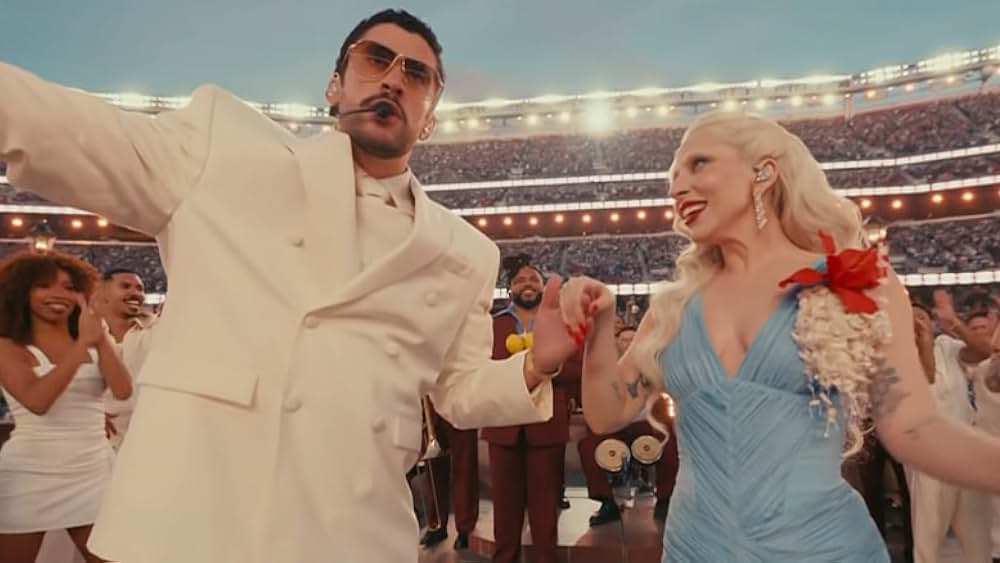
Brady posted a clip of Bad Bunny performing with Lady Gaga to his Instagram Stories, adding a single emphatic word: Amazing!!!!!!!!!
He followed the caption with three red heart emojis, which amplified the positive tone without a long explanation. The Story format meant the reaction reached followers instantly but disappeared after 24 hours, fitting the quick-response nature of Instagram Stories.
This was not a detailed review; it functioned as a thumbs-up from a high-profile sports figure who watched Super Bowl LX from home or nearby. The clip Brady shared emphasized the all-Spanish elements of the set and the star-studded staging, and his reaction mirrored widespread social-media buzz about the halftime show’s significance.
Significance of Brady’s One-Word Review
A single-word endorsement from a celebrity like Brady carries weight because of his large following and cultural visibility. His one-word caption drew attention precisely because it was brief, turning a personal watch-party moment into a headline-worthy reaction.
The post also reinforced the halftime show’s reach beyond music fans into sports circles. When a seven-time Super Bowl champion publicly praises a performance at Super Bowl 60, it signals mainstream acceptance and contributes to the narrative that this was a landmark, widely enjoyed halftime event.
Brady’s Relationship With the New England Patriots and Robert Kraft
Brady’s longtime association with the New England Patriots connects him to the team’s ownership and fanbase; Robert Kraft remains a close ally and public figure tied to Patriots lore. Their history gives Brady’s public statements extra resonance among Patriots fans and NFL viewers.
Kraft has often attended high-profile NFL events and supported league entertainment initiatives; when Brady comments on a Super Bowl halftime show, it intersects with that broader Patriots-era cultural footprint. Even after Brady’s departure from the Patriots, his reactions still reflect, for many fans, the legacy of the Brady–Patriots era and the continued prominence of figures like Kraft in NFL culture.
Highlights and Cultural Impact of Bad Bunny’s Performance
Bad Bunny delivered a tightly staged, language-forward set that mixed high-energy reggaetón with clear nods to Puerto Rican history and diaspora identity. The show featured unexpected collaborators and visual storytelling that shifted the halftime narrative toward cultural representation.
Key Moments and Surprise Guest Appearances
Bad Bunny opened with a medley that moved quickly between hits, keeping momentum for the full 13-minute slot. He incorporated choreography and live percussion, spotlighting traditional rhythms alongside modern production.
A surprise duet with Lady Gaga created a cross-genre moment, blending pop theatrics with Bad Bunny’s Spanish‑language verses. That pairing amplified mainstream appeal and created a headline-making visual contrast.
The set included cameos from other Latin stars, including a brief appearance by Ricky Martin and a backing section that evoked Puerto Rican bomba rhythms. Those moments served both as celebration and as a passing-of-the-torch gesture to different generations of Latino performers.
Puerto Rican Pride and Representation on Stage
Bad Bunny structured the performance to emphasize Puerto Rican identity without relying on a single speech. He used costumes, staging, and song choice to honor the island’s musical forms and political history.
Visuals on the Levi’s Stadium stage referenced Nueva Yol and San Juan street life, while dancers and drummers highlighted Afro‑Puerto Rican traditions. The decision to perform primarily in Spanish signaled inclusion for Spanish‑speaking viewers and recognition of Puerto Rican artists’ influence on global pop.
Benito’s set also acknowledged contemporary issues affecting the island, weaving cultural pride into mainstream spectacle. For many viewers, that centering of Puerto Rican culture marked a rare Super Bowl moment of direct cultural authority.
Comparisons With Past Super Bowl Halftime Shows
Unlike spectacle-driven sets from past halftime headliners, Bad Bunny’s performance emphasized cultural specificity over patriotic spectacle. It differed from Jennifer Lopez and Shakira’s broadly Latin pop celebration by foregrounding Puerto Rican musical roots rather than pan‑Latin crossover moments.
The show shared moments of star-studded surprise like earlier halftime productions, but it leaned more into language and heritage than big-production cameos typical of the stage. Critics compared the move to precedent-setting halftime appearances by artists such as Lady Gaga, noting a shift from purely commercial spectacle to identity-driven storytelling.
Where some past shows aimed to unite a mass audience with universal gestures, Bad Bunny’s set asked viewers to engage with particular cultural references, changing expectations for what a Super Bowl halftime can center.
More from Vinyl and Velvet:

Leave a Reply