


You stumble into a story that reads like a true-crime twist: a high school principal led hypnosis sessions, and three students died soon after. The core question—could those hypnosis sessions have played a role in these deaths—drives the investigation, legal settlements, and a wider debate about ethics and oversight in schools.
He and the community face unanswered questions about what happened during those sessions, why an unlicensed practice continued, and how the school district responded. The article unpacks the timeline of events, the investigative findings, and the legal aftermath to help you understand how a routine educational setting spiraled into a disturbing and costly controversy.
The Hypnosis Sessions and Tragic Events
Three teenagers at North Port High School underwent private hypnosis with their principal, then died within weeks of one another. The sessions, led by Dr. George Kenney, were informal, unlicensed and meant to address issues like test anxiety and athletic focus.
Background of North Port High School and Dr. George Kenney
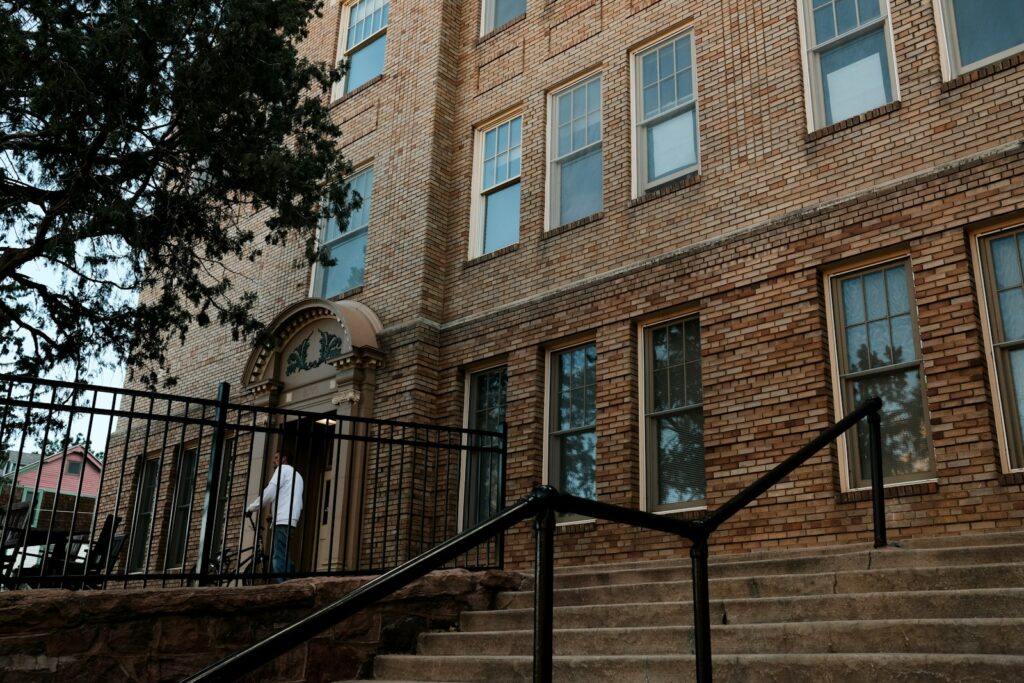
North Port High School served a suburban community in Sarasota County, Florida. The school drew local attention when its principal, George Kenney, became publicly linked to a string of unusual incidents in 2011.
Kenney held a doctorate but was not a licensed hypnotherapist. He had repeatedly hypnotized students and staff on campus over several years, sometimes in private one-on-one meetings. The practice drew internal warnings before the wider controversy unfolded.
The pattern of school-sanctioned responsibilities combined with off-hours behavior raised concerns about boundaries. School officials later acknowledged Kenney had hypnotized dozens of people at the school, a detail that figured heavily in subsequent civil claims.
How Hypnosis Was Introduced and Used in the School
Kenney introduced hypnosis informally as a tool to help students manage stress, improve test performance, and handle pain during athletics. He demonstrated and taught simple self-hypnosis techniques during private sessions.
Some students sought Kenney’s help for performance-related issues: one quarterback reportedly learned concentration methods to cope with pain and pressure during games. Other students were told hypnosis could reduce test anxiety and boost SAT focus. Sessions ranged from single demonstrations to repeated private meetings.
Those encounters blurred the line between classroom guidance and therapeutic intervention. Because Kenney lacked a hypnotherapy license, critics and later legal filings characterized the sessions as unauthorized therapeutic hypnosis rather than benign school counseling.
Profiles of Marcus Freeman, Wesley McKinley, and Brittany Palumbo
Marcus Freeman, 16, was a student-athlete and quarterback at North Port High. He reportedly underwent hypnosis aimed at improving game focus and decreasing pain sensitivity; he also learned self-hypnosis from Kenney.
Wesley McKinley, 16, was described as a talented musician with ambitions to study at a conservatory. He had multiple hypnosis sessions with Kenney, including one the same day he was later found dead at home.
Brittany Palumbo, 17, sought help for anxiety and college-entry stress. Kenney reportedly hypnotized her to ease test anxiety and to increase concentration while preparing SATs and applications.
Each teen had different goals and contexts for hypnosis, but all three had private encounters with Kenney within the months leading to their deaths. Families later questioned the appropriateness and safety of those sessions.
Circumstances and Timeline of the Three Student Deaths
The incidents clustered in spring 2011. Marcus Freeman died in a car crash after a dentist visit; witnesses and reports noted he briefly displayed a strange expression before the vehicle left the highway. His family linked recent hypnosis sessions to behavioral changes.
Wesley McKinley was found dead in his room days after a session with Kenney; roommates and classmates reported Kenney had hypnotized him multiple times, including that day. Authorities investigated but did not establish a criminal causal link.
Brittany Palumbo died by suicide after completing college applications; her parents said she had been hypnotized to address anxiety and test performance shortly beforehand. The three deaths prompted media scrutiny, a schoolboard civil settlement, and misdemeanor charges against Kenney for practicing without a license.
The Sarasota County School District later agreed to monetary settlements with the families and Kenney relinquished his teaching credentials. Investigations and documentaries, including pieces titled “Look Into My Eyes,” examined what went wrong and whether informal school-based hypnosis crossed legal and ethical lines.
Investigations, Legal Aftermath, and Media Attention
The school district and law enforcement opened parallel probes that examined who authorized the sessions, how many people were hypnotized, and whether those sessions contributed to three student deaths. Investigators compiled statements, reviewed school records, and tracked Kenney’s contacts and training history to establish a timeline.
School District and Law Enforcement Investigations
Sarasota County School District placed George Kenney on paid administrative leave in May 2011 as investigators collected evidence and interviewed students and staff. The district’s internal review found Kenney had hypnotized dozens of people at North Port High School between 2006 and 2011, with some accounts putting the number as high as 75.
Law enforcement looked for criminal culpability and any direct links between hypnosis sessions and the deaths of Wesley McKinley, Brittany Palumbo, and Marcus Freeman. Investigators obtained witness statements describing repeated sessions and techniques Kenney taught students, including self-hypnosis practices later implicated in at least one fatality.
Licensing Violations and Criminal Consequences
State regulators concluded Kenney engaged in unlicensed hypnosis and practicing therapeutic hypnosis without a license, which breached professional and legal boundaries. He was charged in 2012 with misdemeanors related to practicing therapy without a license and ultimately entered a no-contest plea.
Disciplinary action extended to his teaching credentials. Under pressure from the Florida Department of Education, Kenney surrendered his teaching license in 2013 and was barred from reapplying, removing his ability to work in Florida schools. Criminal penalties were limited: he served probation and faced restrictions against unlicensed hypnosis during that period.
Wrongful Death Lawsuit and $600,000 Settlement
Families of the three teens filed a wrongful death lawsuit against the Sarasota County School Board, alleging the district failed to protect students and allowed an employee to perform medical-like procedures without proper credentials. Attorney Damian Mallard represented the families and argued the suit aimed to hold the district accountable rather than to pursue large damages.
The school district settled the claims in October 2015 for $600,000 total — $200,000 for each family — the statutory maximum for a Florida government payout without special legislative approval. The settlement closed civil litigation but did not require Kenney to admit wrongdoing or issue an apology.
Public Reactions, Docuseries, and Lasting Impact
Public reaction mixed outrage, disbelief, and concern about school oversight and parental consent for nonmedical practices. Community members criticized the district for inadequate supervision and questioned how a principal received hypnosis instruction from places such as Omni Hypnosis Training Center or similar programs without proper verification of therapeutic credentials.
Media coverage grew into a true-crime narrative with documentaries and series exploring Kenney’s actions, including a docuseries that examined the case and its wider implications for consent, licensing, and school policy. Platforms like AMC+ and other outlets featured retrospective reporting that kept the episode in public view and prompted school districts nationwide to clarify policies on outside training and limits on staff-provided therapeutic activities.
More from Vinyl and Velvet:

Leave a Reply