

Rachel Ward built a global fan base as the luminous romantic lead of a classic television saga, and now, at 68, she is using that same visibility to confront a culture that punishes women for looking their age. After a fresh wave of online abuse over her natural appearance, the former Thorn Birds star has responded with a mix of sharp humor and unapologetic pride, turning a trolling storm into a pointed conversation about beauty, age and power. Her stance has drawn support from fellow actors and ordinary viewers alike, and it is forcing a new look at what it really means when a woman in her sixties refuses to edit herself for the camera.
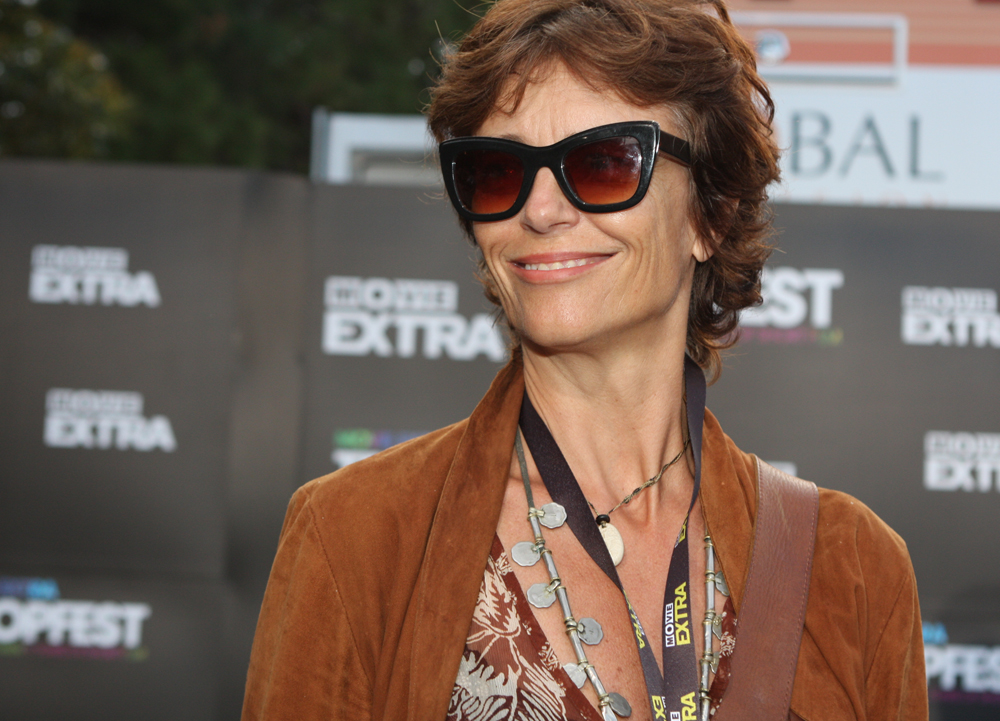
From Thorn Birds ingenue to outspoken 68‑year‑old
For many viewers, Rachel Ward will always be linked to the sweeping romance of The Thorn Birds, the Aussie miniseries that turned the English-born actress into an international star. Her portrayal of Meggie Cleary cemented her image as a “beautiful, aristocratic English rose,” a label that followed her long after the cameras stopped rolling and that still shapes how some fans think she should look decades later. That early fame, rooted in youth and conventional glamour, is the backdrop for the current backlash, because the same audience that once celebrated her as a romantic ideal is now dissecting every line on her face.
Today, Ward is 68, a grandmother and a veteran performer who has built a life in Australia while continuing to work on screen and behind the camera. Reports describe her as “a granny with, well, just what she is,” a phrase that captures both the affection and the shock some commenters express when they see her without heavy styling or cosmetic intervention. The tension between the remembered Meggie and the present-day Rachel is at the heart of the trolling she now faces, and it helps explain why her refusal to chase a frozen, ageless look has become such a flashpoint for debate about aging in public.
The Instagram clip that lit the fuse
The latest controversy began when Ward appeared in a casual, makeup-free video that circulated on social media and drew a barrage of criticism about her face, hair and overall “unkempt” style. In the clip, shared on an account that highlighted “The Thorn Birds actress Rachel Ward, now 68,” viewers saw her in natural light, with textured hair and visible wrinkles, talking candidly rather than posing for a glossy shoot. Instead of the airbrushed glamour some followers seemed to expect, the short video presented a working actress and grandmother who looked like herself, and that simple authenticity became the catalyst for a wave of ageist remarks.
Commenters accused Ward of neglecting her appearance and speculated about what “went wrong,” treating her 68-year-old face as a problem to be solved rather than a normal outcome of time. The reaction was intense enough that coverage noted how she had “spoken out after facing online criticism over” her barefaced look and the “richness that comes with age,” framing the clip as a turning point in how she engages with fans. By the time the dust settled, the video had become less about a single post and more about the broader discomfort some viewers feel when a woman who once embodied youthful beauty appears on camera without filters or cosmetic work.
“What happened to you, dear?”: inside the cruel comments
The remarks directed at Ward were not just mildly unkind, they were openly contemptuous of the idea that a woman might look her age. One critic demanded, “WHAT HAPPENED TO YOU, DEAR,” as if the natural progression from 20-something star to 68-year-old grandmother were a personal failing rather than a biological fact. Another insisted that her appearance must be the result of “years of neglect,” reducing decades of life experience to a supposed lack of moisturiser or salon visits. These comments treated wrinkles and grey hair as evidence of moral lapse, reinforcing the message that a woman’s worth is tied to how successfully she hides any sign of aging.
Coverage of the backlash highlighted how some trolls fixated on details like her haircut, with one sneering that her hair looked as if “Matilda cut with nail scissors,” turning a simple style choice into a punchline. Others claimed she “looks way older” than 68, as if the number itself, repeated in reports about the trolling, were an indictment. The language used in these attacks was revealing: rather than engaging with Ward’s work or her message, critics zeroed in on perceived flaws, using them to police what a former screen beauty is allowed to look like once she crosses into her sixties.
Rachel Ward’s sharp, unapologetic response
Ward did not retreat from the criticism. Instead, she fired back with a mix of wry humour and firm conviction, making clear that she has no intention of apologising for her age. In interviews and social posts, she described herself as “gloriously defiant” about the fact that she looks like a woman in her late sixties, stressing that she does not “regret losing my youth and beauty” and that “ageing is to be exalted.” Her response reframed the conversation, shifting it from whether she should look younger to why anyone believes a 68-year-old should be required to erase the evidence of her life.
She also addressed the trolls directly, telling them that the “whole thing has become” a lesson in how society reacts when a woman has the “temerity to look her age.” Rather than promising to change, Ward leaned into her current appearance, describing the “bounty” and “richness” that come with age and insisting that this period of life is “wonderful” and more fulfilling than her earlier years. By speaking in such clear, confident terms, she turned what could have been a defensive apology into a manifesto for embracing later life without cosmetic compromise.
“It’s a wonderful period of life”: her message to other women
Beyond clapping back at individual trolls, Ward used the moment to send a broader message to women navigating their own aging. She described her sixties as “a wonderful period of life” and said she is “more fulfilled than ever,” urging others not to fear the transition away from youthful beauty standards. In one widely cited comment, she told supporters, “Don’t worry about me,” making it clear that she does not see herself as a victim of time but as someone who has chosen to “let it go” rather than chase endless cosmetic fixes. Her words reframed aging as an opportunity for depth and satisfaction rather than a decline to be fought at any cost.
Ward also offered practical advice, encouraging women to resist the pressure to have “work done” in their 60s simply to meet external expectations. Reports noted that she addressed fans who assumed she must be devastated by the online attacks, explaining that she has “no regrets” about leaving behind the narrow beauty ideals that defined her early career. By positioning herself as both an example and an advocate, she invited other women to see their own lines and grey hairs as markers of a life fully lived, not as problems to be corrected in a clinic.
Support from Sarah Jessica Parker and other high‑profile allies
Ward’s stance did not unfold in a vacuum. As the trolling intensified, other prominent women in entertainment stepped in to defend her, turning a personal pile-on into a wider show of solidarity. Among the most notable voices was Sarah Jessica Parker, who has faced similar scrutiny over her own decision to age without aggressively hiding grey hair or facial lines. Reports noted that “Sarah Jessica Parker has defended Thorn Birds star Rachel Ward” after the online abuse, underscoring how women who came to fame as style icons are now pushing back together against the demand that they remain frozen in time.
Coverage of the backlash emphasised that “many big names, including Sarah,” rallied around Ward, challenging the idea that visible aging is a professional liability. Their support helped shift the narrative from gossip about one actress’s face to a broader critique of how older women are treated in Hollywood and on social media. By publicly backing Ward, these allies signalled that choosing not to chase a surgically smoothed, filter-perfect look is not a sign of giving up, but a deliberate, increasingly common choice among women who have spent decades under the camera’s gaze.
Why this backlash hit a nerve about aging and beauty
The ferocity of the comments aimed at Ward speaks to a deeper cultural anxiety about what happens when a woman who once embodied a romantic ideal refuses to keep playing that role. As analysts of the episode pointed out, the trolling erupted precisely because she appeared “makeup-free and unkempt,” challenging the expectation that a famous face must always be camera-ready. The fact that the target was a former “Famous ‘Thorn Birds’ beauty, 68,” a woman whose looks were once central to her public identity, made the backlash feel like a referendum on whether society will allow its former ingenues to age in public without punishment.
At the same time, the response to Ward highlighted how social media amplifies every wrinkle into a talking point. One report described how she faced negative comments on Instagram for appearing without makeup, sparking a debate about whether authenticity online is even possible for older women. The episode exposed a double standard in which male actors are praised for “distinguished” aging while women are told they look “way older” than their years, and it raised uncomfortable questions about why a 68-year-old face is still treated as a scandal when it belongs to a woman who once starred in a beloved romantic epic.
Fans, Facebook reactions and the numbers behind the debate
While the loudest voices were often the cruelest, Ward’s decision to speak out also drew significant support from fans who saw their own experiences reflected in her story. On one widely shared post about the controversy, “Karallyn Streit and 305 others” reacted to coverage of the “Famous ‘Thorn Birds’ beauty, 68,” with the engagement count reaching 306 interactions. Those numbers are modest by viral standards but telling in context, because they show that for every troll mocking her “unkempt” look, there were hundreds of people willing to publicly back her choice to age without apology.
Elsewhere online, clips of Ward’s response circulated on platforms where entertainment content regularly racks up tens of thousands of views. One account that highlighted the story listed “39.4K” views and “300” interactions alongside a separate note that “THE BOX OFFICE JUST CROWNED A NEW KING,” a reminder of how stories about aging actresses compete for attention with blockbuster hype. Within that noisy environment, Ward’s calm insistence on the “richness that comes with age” cut through precisely because it ran against the grain of youth-obsessed celebrity culture, inviting viewers to consider a different metric of value than likes or flawless selfies.
How the story has been framed across outlets
Different reports on Ward’s response have emphasised distinct facets of the same story, but together they paint a consistent picture of a woman refusing to be shamed into cosmetic conformity. Some accounts focused on how “Thorn Birds’ Rachel Ward shuts down trolls criticizing her appearance at 68,” highlighting her direct message to those who attacked her look. Others described her as an “iconic Aussie actress, 68,” who “hits back” after being criticised for “looking old,” underscoring the absurdity of treating a 68-year-old face as an anomaly. Across these narratives, the central thread is her refusal to accept that visible aging is something to apologise for.
More from Vinyl and Velvet:

Leave a Reply