

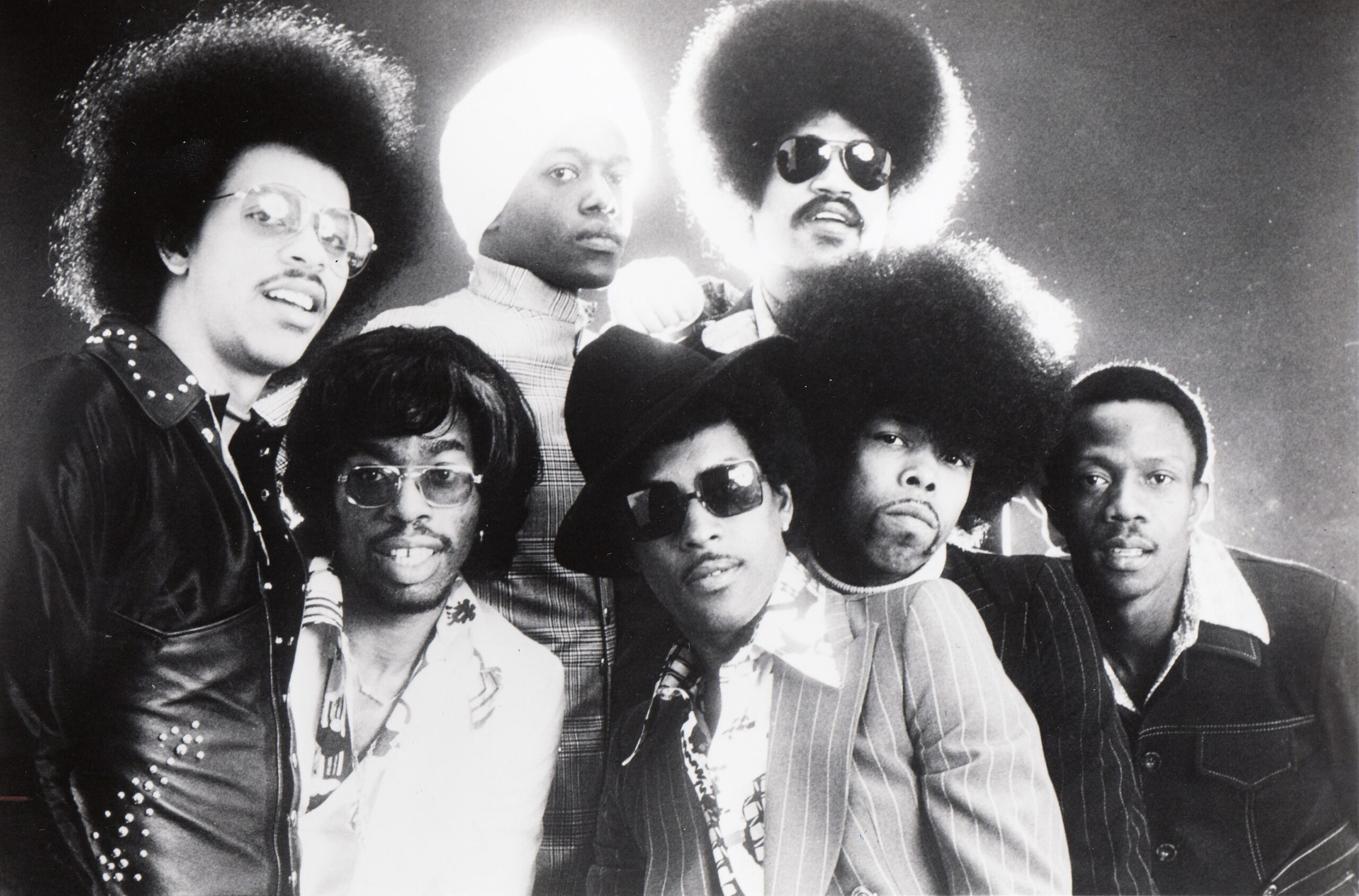
The Ohio Players’ “Love Rollercoaster” is remembered as a slinky funk anthem that shot to the top of the charts in the mid‑1970s, but it is equally famous for something far stranger: a whispered claim that the record captured a real‑life scream of someone being killed. Decades later, that story still shadows the song, resurfacing in fan debates, social media threads, and late‑night radio chatter as one of pop music’s most persistent urban legends.
What began as a catchy metaphor for a turbulent romance has become a case study in how a single unexplained sound can fuel a mythology that refuses to fade. The legend around “Love Rollercoaster” has survived changing formats, from vinyl to streaming, and continues to fascinate listeners who lean in at the same moment in the track, convinced they can hear something sinister hiding in the groove.
The Funk Anthem Behind the Myth
Before it became a campfire story for music obsessives, “Love Rollercoaster” was simply a hit single from a band at the peak of its powers. The track was recorded by the American funk and R&B group Ohio Players and first appeared on their 1975 album “Honey,” a record that cemented their reputation for tight grooves and provocative imagery. The song’s lyrics frame romance as a wild amusement‑park ride, but reporting has noted that the real spark was a turbulent plane trip that left the band thinking about how love can lurch from highs to lows as abruptly as a sudden drop.
By early 1976, that metaphor had clearly connected with listeners, and the single climbed all the way to No. 1 on the pop charts, giving the group one of its defining mainstream moments. Coverage of the song’s chart run emphasizes how the funky pop arrangement, with its rubbery bass line and urgent horns, made “Love Rollercoaster” a crossover success that worked equally well in R&B clubs and on Top 40 radio. The track’s commercial impact is crucial to understanding why the legend took hold: a song that big, spinning constantly on the airwaves, offered the perfect canvas for listeners to project their fears and fantasies onto a stray sound buried in the mix.
How a Single Scream Became a Story
The core of the legend is deceptively simple. Partway through “Love Rollercoaster,” during an instrumental break, listeners can hear a high‑pitched shriek that does not sound like a typical backing vocal. Fans quickly fixated on that moment, replaying it and speculating about what, or who, they were hearing. In some fan discussions, people pinpoint the scream at roughly 2 minutes and 32 seconds into the track, a detail that has become so entrenched that one thread about the song explicitly calls out “at 2:32 there is an audible scream” as the moment that launched the myth, even as participants insist the track is “Not Yacht Rock” and swap memories of how such stories “were great for urban legends.”
Once that timestamp became folklore, the scream stopped being just a studio quirk and turned into a kind of audio Rorschach test. Some listeners heard terror, others heard pain, and a few insisted it was simply an overexcited ad‑lib. The more people argued about it, the more the story grew, helped along by the Ohio Players’ reputation for edgy album art and the already suggestive aura around “Honey.” In fan spaces, the band is described as “notorious for their album covers,” which made it easier for audiences to believe that something dark might have happened in the studio and been accidentally preserved on tape.
The Wildest Version: A Murder Caught on Tape
Out of that ambiguous shriek grew the most lurid version of the tale, the claim that the scream captured an actual murder in progress. In this telling, the band was recording when a woman was attacked just off‑mic, and the tape kept rolling as she cried out. Some variants insist it was a model from the “Honey” cover, others say it was a girlfriend or a stranger, but the key detail is always the same: the record allegedly contains evidence of a killing that was never reported. Commentators who track music myths have compared this kind of story to the “satanic panic” that later swept through pop culture, noting that, much like those fears, the “Love Rollercoaster” rumor grew in an era when people were primed to see hidden evil in entertainment.
Writers who have revisited the legend point out that the idea of a “supposed murder caught on tape” fits neatly into a broader pattern of urban myths that attach themselves to songs, films, and TV shows. One analysis of the scream explicitly frames it alongside other myths that “came to fruition” in the same cultural climate, arguing that the combination of analog recording, limited fact‑checking, and a public appetite for the macabre made it easy for such stories to spread. That piece, which digs into the scream’s origins, underscores how the legend thrives not because there is credible evidence of a crime, but because the possibility of one is too compelling for some listeners to let go of, a point reinforced in its discussion of how “But” and “Much” of the narrative rests on suggestion rather than proof in its breakdown of the rumor around the track.
The “Honey” Cover, Injuries, and a Convenient Backstory
The rumor did not grow in a vacuum. It latched onto real controversy around the “Honey” album cover, which featured a nude model coated in sticky sweetness and became one of the decade’s most talked‑about images. Later reporting on the song’s history notes that the model allegedly suffered injuries during the photoshoot, a detail that some storytellers folded into the legend by claiming she confronted the band or the label and was attacked, with her final scream ending up on the record. In one detailed retrospective, the story of the “funky pop single” that soared to No. 1 is told alongside references to those “alleged injuries from her photoshoot,” illustrating how fact and rumor became entangled.
Fans who discuss the album online often mention that “Honey” is their favorite Ohio Players record and highlight how the band was “notorious for their album covers,” which gave the music an extra layer of danger. In one conversation, a poster praises “Honey” as “their best album” while also acknowledging that the stories around it are “great for urban legends,” a tacit admission that the visual shock value made it easier for people to believe something sinister might lurk in the audio as well. That same thread casually references the songwriter and a later cover version, showing how the myth has become part of the song’s entire ecosystem, from its original release to subsequent reinterpretations.
From Radio Waves to Schoolyards: How the Rumor Spread
What turned a niche studio rumor into a national obsession was amplification, especially on radio. One widely cited account of the legend’s spread points to Casey Kasem, the host of a hugely popular syndicated countdown show, as a key vector. According to that discussion, the story “spread and mutated in several variations, probably as a result of Casey Kasem having repeated it on the nationally syndi…” program, which meant millions of listeners heard some version of the rumor framed as intriguing trivia. Once a voice that authoritative floated the idea on air, it gained a veneer of credibility that no amount of later debunking could fully erase.
From there, the legend filtered into school hallways, college dorms, and neighborhood record shops. One fan recalling their youth in a music discussion group says they were in 7th grade when they first heard the “very thrilling urban legend,” describing how classmates would huddle around a turntable or cassette deck to cue up the scream and dare each other to listen closely. Another commenter in a separate thread about 1976 singles notes that the song was part of that year’s “top 50 Singles,” which meant it was in heavy rotation and easy for kids to access, making it fertile ground for whispered stories. The rumor’s path from radio to playground shows how quickly a stray anecdote can become accepted lore when it is repeated often enough in trusted spaces.
What the Band and Engineers Actually Say
Against this backdrop of speculation, members of the Ohio Players and people close to the recording have consistently pushed back on the more sensational claims. Drummer Jimmy “Diamond” Williams has been cited in fan discussions as someone who directly addressed the rumor, with one post summarizing how he “saw” the story grow and rejected the idea that a murder or serious injury occurred during the session. In that same conversation, participants share a link to an interview clip where Williams explains that the scream was a deliberate part of the performance, not an accident or a captured crime, reinforcing the band’s long‑standing position that the legend is pure fiction.
Technical explanations have also chipped away at the myth. Engineers and commentators who have revisited the multitrack recording argue that the shriek lines up with the band’s vocal ad‑libs and studio effects, making it far more likely to be a processed voice than an off‑mic emergency. One detailed breakdown of the track’s production, which sets the story alongside other myths about “a supposed murder caught on tape,” stresses that there is no evidence of police reports, lawsuits, or missing persons connected to the session. Instead, the piece frames the scream as a creative flourish that happened to sound unsettling enough to invite darker interpretations, a reading that aligns with the band’s own insistence that nothing criminal took place.
“These Stories Are False”: Fans Push Back
Over time, a counter‑movement has emerged among listeners who love the song but are tired of the grisly folklore. In a group dedicated to classic albums, one fan posts about “getting me a fix” of the Ohio Players and their 1975 work, then bluntly concludes that “These stories are false” when the conversation turns to the scream. That same thread reiterates that “Love Rollercoaster” is a song by the American funk/R&B band Ohio Players, originally featured on their 1975 album “Honey,” grounding the discussion in verifiable facts rather than rumor. The tone is firm but affectionate, as if to say that the music is strong enough to stand on its own without a horror story attached.
Elsewhere, fans dissect the legend with a mix of nostalgia and skepticism. In a discussion about 1976 hits, one commenter notes that “Love Rollercoaster” sat comfortably among that year’s big singles and wonders aloud why, if a real murder had been captured on tape, “they wouldn’t use that audio” in a way that invited legal scrutiny. That conversation, which unfolds in a group where people trade memories of old chart lists and radio shows, treats the legend as part of the song’s cultural baggage but not as something to be believed. The shift from breathless repetition to critical examination shows how fan communities can evolve from spreading myths to actively debunking them.
Why “Love Rollercoaster” Still Feels So Eerie
Even with debunkings and band statements on the record, the “Love Rollercoaster” legend persists because the song itself invites a certain unease. The arrangement is taut and slightly frantic, with chanted vocals and sharp horn stabs that create a sense of barely controlled chaos. When the scream arrives, it punctures the groove in a way that feels jarring, especially for listeners who are not expecting it. That emotional jolt makes it easy to imagine something terrible happening in the background, particularly if a friend has already planted the idea that the sound is more than just a studio effect.
More from Vinyl and Velvet:

Leave a Reply