

You’re watching a high-profile case stall not because investigators lack evidence, but because lawyers keep filing motions that push the timeline back. The core issue is process: legal challenges over prosecutor conflicts and courtroom access are delaying proceedings more than the facts of the case.
You’ll get a clear walkthrough of the motions slowing the Tyler Robinson trial, who moved them, and how judges are responding, plus what those delays mean for transparency and the victim’s family. This piece lays out the immediate stakes and the likely next steps so you can follow the developments without wading through legal jargon.
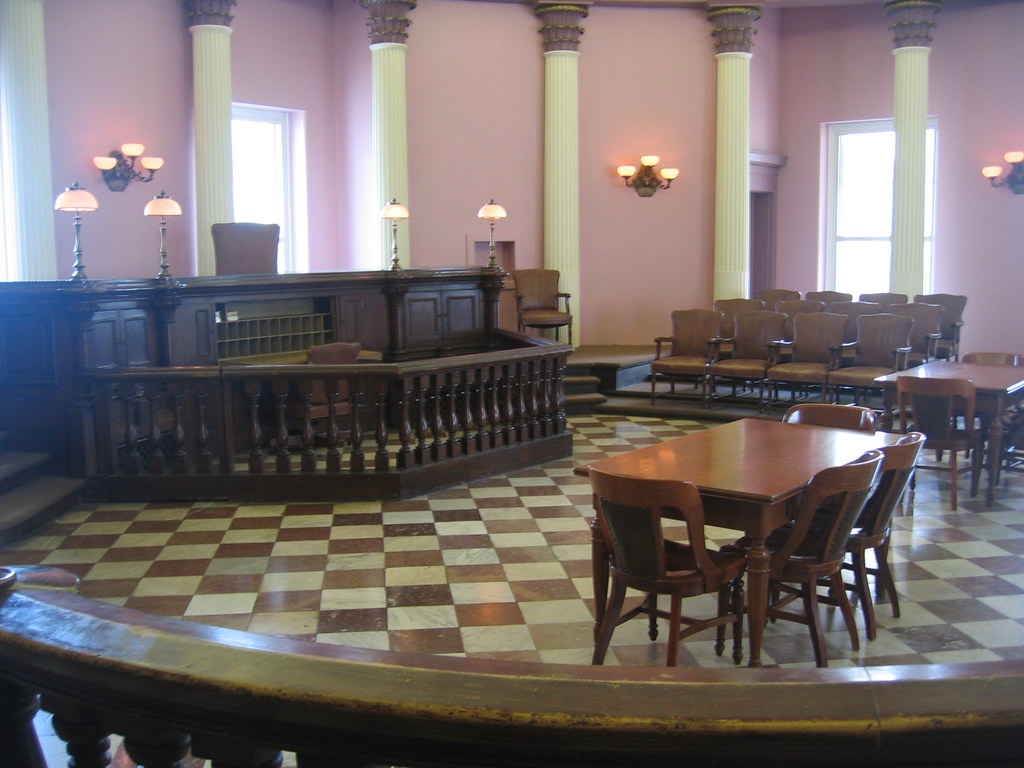
Key Facts About the Tyler Robinson Trial
The case centers on a single deadly event, an evolving set of charges, and recurring pretrial disputes that have slowed court progress. You’ll find who’s charged, what happened at the Utah Valley University event, who’s handling the prosecution and defense, and which high-profile victims and witnesses figure into motions and media attention.
Overview of the Charges Against Tyler Robinson
You’re looking at multiple felony counts brought against Tyler James Robinson after the September 10, 2025 shooting that killed Charlie Kirk. The charging documents list aggravated murder as the primary count, which carries possible capital exposure under Utah law. Prosecutors also charged felony discharge of a firearm causing serious injury, obstruction of justice, witness tampering, and related offenses.
The aggravated murder count makes the death penalty a potential punishment if the state pursues it and secures a conviction. That possibility shapes many pretrial strategies from both sides. You should note the prosecution in Utah County has focused on proving intent and the statutory aggravators that could elevate sentencing.
Details of the Incident at Utah Valley University
You can pinpoint the incident to a Turning Point USA event at Utah Valley University in Orem, where attendees included students and invited guests. Charlie Kirk was onstage taking questions when the shooting occurred, with reports indicating thousands of people were present. Law enforcement response quickly secured the scene and transported the wounded, while Utah County investigators began evidence collection and witness interviews.
The accused allegedly fired a weapon inside the venue, according to charging documents, producing multiple injuries and at least one fatality. The Utah County Sheriff’s Office and university police worked with prosecutors to assemble the timeline investigators will present at a preliminary hearing unless the defense waives that step.
Role of Prosecutors and Defense Team Members
You’ll see Utah County Attorney Jeff Gray’s office leading prosecution, though pretrial conflict motions have targeted his team. Defense lawyers moved to disqualify parts of the county attorney’s office after a deputy prosecutor’s adult child, who was present at the event, exchanged texts with the deputy. Prosecutors say that child is not a planned witness and that the office retains no disqualifying conflict.
The defense team includes high-profile attorneys who have pursued procedural motions, seeking to shift prosecutorial authority or require the state Attorney General’s Office to handle some issues. Those motions have produced multiple hearings and slowed scheduling for a preliminary hearing and arraignment. You can expect continued motion practice over discovery, witness lists, and whether certain prosecutors must recuse.
Involvement of High-Profile Victims and Witnesses
You should note that Charlie Kirk’s death places the case in the national spotlight. Kirk’s widow, Erika Kirk, has asserted victims’ rights and asked for a speedy disposition under Utah law. That request pressures timelines even as the defense advances procedural challenges. Media attention and victim advocacy have shaped courtroom motions over sealing records and limiting public access.
Numerous attendees at the Turning Point USA event could serve as witnesses, though prosecutors say the deputy prosecutor’s adult child — present at the scene and who texted a prosecutor — is not expected to testify. Investigators, including officers and evidence technicians, are listed as potential factual witnesses. The prominence of the victim and the crowded venue mean witness identification and testimony logistics remain central to upcoming hearings.
Why the Trial Is Facing Delays
The case moves slowly because attorneys keep filing contested motions, the defense needs time to review extensive evidence, and questions about possible conflicts and preliminary procedures require separate hearings. Each issue forces the court to pause trial scheduling while judges resolve discrete legal disputes.
Legal Motions and Procedural Maneuvers
You’re seeing a steady stream of motions from both sides that target how the case will proceed rather than the facts of the shooting. The defense, led by attorneys such as Richard G. Novak, has filed motions to limit courtroom video, exclude specific pieces of evidence, and compel recusal of certain prosecutors.
Prosecutors have responded with oppositions and requests to keep the case on track. Judges have to rule on each contested filing, and those rulings often require evidentiary hearings or in‑camera review.
Those interim hearings consume court time, delay setting a trial date, and let either side ask for continuances while awaiting rulings. You should expect more filings of similar type until the court establishes firm boundaries for evidence and media access.
Discovery Process and Evidence Review
You face a large, complex discovery record that both sides must digest before trial. Prosecutors have provided video footage, witness statements, and forensic reports; the defense has requested more time to analyze that material and to vet potential expert witnesses.
Defense counsel including Michael N. Burt and other members of the team have argued they need additional review time to decide whether to pursue a preliminary hearing or to file suppression motions.
Discovery disputes — about what must be produced or when — lead to motion practice and scheduling delays. The court often orders phased production and deadlines, which stretches the pretrial calendar while preserving both parties’ rights to full review.
Conflict of Interest Claims and Motions to Disqualify
You’re seeing targeted claims that the Utah County Attorney’s Office may have conflicts that warrant disqualification. The defense has pointed, for example, to a prosecutor whose family member attended the event, arguing that creates an appearance of partiality.
Prosecutors, including those in the county attorney’s office, counter that the family member was not a material witness to the killing and that statutory grounds for forced referral to the Attorney General’s Office do not apply. Judges are holding live testimony and affidavits to decide whether any ethical or statutory disqualifications exist.
Those proceedings demand closed testimony at times and focused fact‑finding, which pauses other pretrial work until the court resolves whether the existing prosecution team remains eligible to proceed.
Waiver Hearings and Preliminary Proceedings
You must account for procedural steps that precede a full trial, like waiver hearings and decisions about whether to hold a preliminary hearing. The defense has at times sought extra time to review charging documents and to decide if they will challenge probable cause before the district court.
A waiver hearing or choice to bypass a preliminary hearing changes how and when evidence gets tested. If the defense pursues suppression or other pretrial challenges, the court schedules additional hearings to resolve those issues before setting a firm trial date.
Those procedural choices, often requested by defense counsel such as Kathryn Nester or Staci Visser in coordination with others, create discrete pauses as judges adjudicate threshold questions about charges and admissibility.
Transparency, Publicity, and Media Battles
The case hinges as much on procedural fights over access and secrecy as it does on evidence. You’ll see disputes about sealed filings, courtroom access, gag orders, and the pace of proceedings shaping what the public can know and when.
Debates Over Sealing Filings and Media Access
Media organizations have pushed to see motions and records the defense wants kept private. Attorneys for news outlets asked the court for advance notice of any motions to seal or close proceedings, arguing you have a right to observe and challenge secrecy in court filings. The defense counters that some records must remain private to protect Robinson’s right to a fair trial, especially given the death-penalty exposure.
Judge Tony Graf and the Fourth District Court have ruled variably on sealing requests, ordering some documents unsealed and scheduling hearings on others. You should note that outlets from mainstream to niche — including coverage in Fox News Digital — are among the intervenors pressing for transparency. Those fights determine whether you can track evidentiary disputes in real time or only after significant delay.
Impact of Pre-Trial Publicity on Fairness
High-profile coverage of the Turning Point USA event and the killing of Charlie Kirk has created intense pre-trial publicity. You’re likely to encounter strong opinions across social and traditional media that could influence potential jurors. Courts weigh whether widespread media attention creates an intolerable risk of prejudice that would require curative measures, like change of venue or extended voir dire.
Defense lawyers cite publicity to argue for restrictions and closures to protect impartiality. Prosecutors argue the public’s right to information, particularly given constitutional rights of open proceedings. When the media reports witness statements or investigatory leads, you should understand how those reports can amplify scrutiny and complicate jury selection months before a trial date.
Gag Orders and Press Challenges
Judges use gag orders or restrictions to limit what attorneys, witnesses, and parties can publicly say. You’ll see requests from both sides: defense seeking limits on prosecutorial statements and prosecutors asking curbs on defense counsel or third parties. Media organizations oppose broad gag provisions that would bar reporting on court strategy and filings.
The Fourth District Court has faced filings where news outlets demanded notice and an opportunity to be heard before any gag or sealing order is entered. You should track oral arguments and hearings where judges decide the scope of speech limits, because those rulings directly affect your ability to follow the case and the balance between fair-trial protections and press freedoms.
Victims’ and Public’s Right to a Speedy Trial
Victims’ families and community members want prompt resolution; you may feel that pre-trial maneuvering delays justice. The Speedy Trial Clause and state rules set deadlines, but complex motions — especially those concerning access, conflicts, and discovery — can push dates back. Defense tactics to ensure a fair process often extend timelines, which creates tension with the public’s demand for speed.
Court filings and hearings about alleged prosecutorial conflicts and sealed discovery have already produced continuances in the Fourth District Court. You should understand that courts must balance your interest in timely closure with constitutional protections that sometimes necessitate delay, such as thorough review of bias claims or ensuring complete and unredacted disclosure to counsel.
Next Steps and Broader Implications
You’ll see continued procedural fights over prosecutorial conflicts, media access, and evidentiary rulings that will shape whether the Utah County Attorney’s Office keeps the case and how public the trial will be. Expect key dates on disqualification, camera rules, and pretrial motions that can delay a death-penalty timeline.
Upcoming Court Dates and Hearings
Judge Tony Graf has a virtual status hearing set for Feb. 24 to decide on the potential disqualification of the Utah County Attorney’s Office, and additional evidentiary hearings will follow as parties litigate camera access and video exhibits. You should track filings that ask the court to limit or admit graphic footage, because those rulings can change what jurors or the public may see.
The defense will press for more time to review voluminous discovery and to challenge the prosecution’s team over a possible conflict tied to a prosecutor’s child attending the event. Prosecutors have opposed referral to the state attorney general and argue those disqualification claims are untimely. Watch for scheduling orders that set deadlines for motions in limine and any trial date-setting conference.
Potential Federal Charges and Outcomes
Federal involvement remains possible if investigators find interstate elements, use of a firearm in furtherance of civil-rights–related violence, or other statutes that elevate the case beyond state charges. You should follow FBI statements and DOJ actions; a federal indictment would change venue options, plea bargaining leverage, and sentencing exposure.
If federal charges arrive, the case could be moved to federal court or run alongside state proceedings, complicating defense strategy. Outcomes range from state-level capital prosecution to concurrent federal penalties; your attention should be on whether federal prosecutors seek the death penalty or life sentences, and how that interacts with Utah County’s pursuit of aggravated murder charges.
Broader Impact on Utah County and Criminal Justice
This prosecution has already strained Utah County’s public image and raised questions about office ethics and transparency, especially after media outlets like Fox News Digital and local outlets covered the conflict claims and courtroom camera disputes. You’ll see local officials face pressure to justify staffing choices and disclosure practices.
For criminal defense practice, the case reinforces how conflict-of-interest claims, witness proximity, and media access arguments can slow capital cases. True-crime coverage will keep public scrutiny high, influencing jury pools and local sentiment. Expect policy discussions in Utah about courtroom camera rules, prosecutorial recusal standards, and how counties manage high-profile violent crime prosecutions.
More from Vinyl and Velvet:

Leave a Reply