

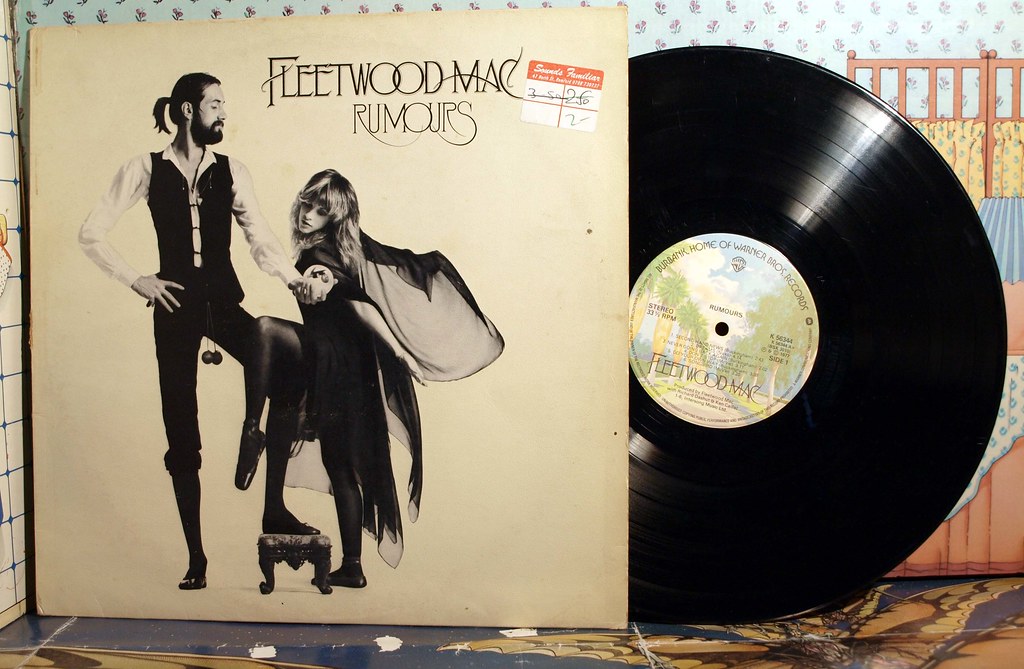
You step into a studio where private betrayals and heavy drug use weren’t background noise — they became the raw material for a massively successful record. The band worked through divorces, affairs, and substance abuse while tracking songs, and those exact tensions shaped lyrics, performances, and the album’s emotional clarity. That upheaval during the Rumours sessions directly turned personal collapse into a massively successful, enduring album by forcing brutally honest songwriting and focused, inventive production.
The article will unpack how the sessions’ interpersonal drama influenced specific songs and arrangements, how the band and producers turned chaos into precise studio work, and why those choices helped Rumours sell millions and stay culturally relevant. Follow the path from fractured relationships to studio techniques and legacy to understand how pain and craft combined to make one of rock’s defining records.
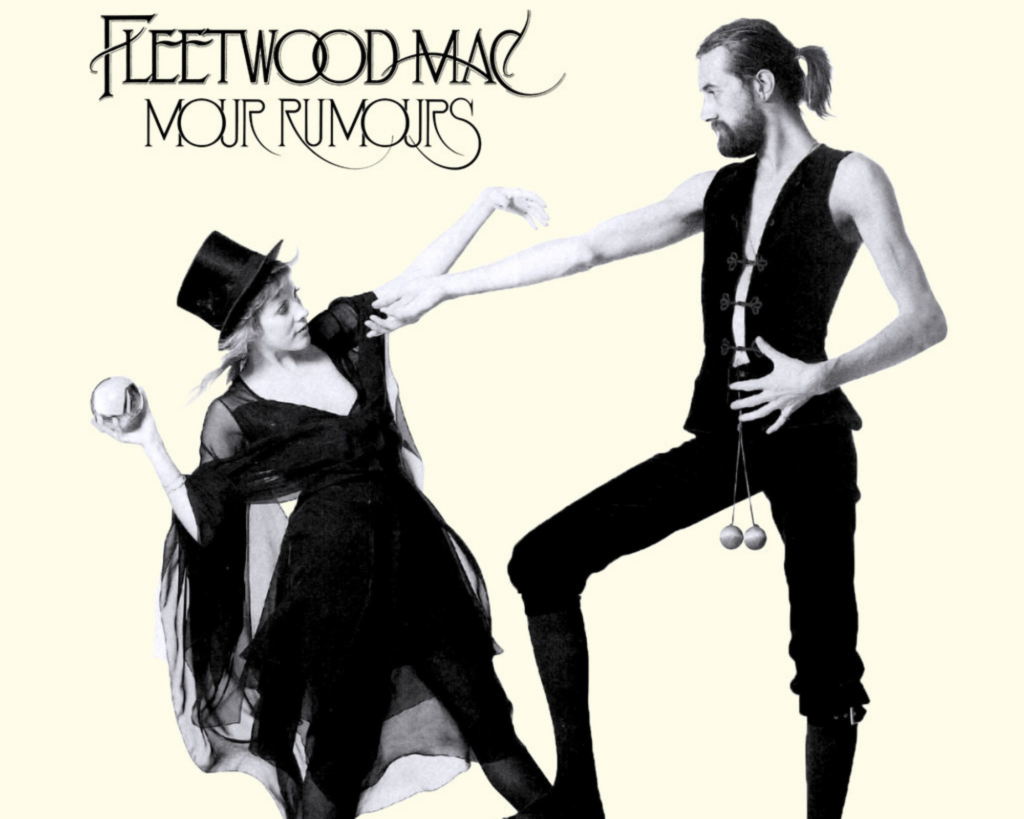
Behind the Recording Sessions: Drama and Turmoil
Tensions inside the band bled into the studio every day. Breakups, affairs, and heavy drug and alcohol use shaped song lyrics, recording schedules, and the mood during takes.
Romantic Betrayals and Interpersonal Conflict
Christine McVie and John McVie were legally separating while working on the album, and they kept conversations minimal in the control room. Lindsey Buckingham and Stevie Nicks had recently ended their long partnership, which produced explosive arguments in hallways and quiet, pointed performances in the booth. Mick Fleetwood discovered his wife’s affair around the same time, and he later began a brief affair with Nicks; that web of relationships made nearly every vocal take carry personal stakes.
These ruptures directly shaped songs. Buckingham’s “Go Your Own Way” addressed his split with Nicks; Christine’s “You Make Loving Fun” celebrated a new romance away from John. Group recordings such as “The Chain” became collective expressions of betrayal and stubborn loyalty. Musicians would sometimes record parts alone to avoid awkward encounters, then overdub layered harmonies so the final tracks sounded cohesive despite the personal fractures.
Substance Abuse and Coping Mechanisms
Alcohol, marijuana, and cocaine were pervasive during the sessions, used both to steady nerves and to sustain 12–16 hour days. Members from the band’s older, British lineage leaned toward heavy drinking, while the California contingent—Buckingham and Nicks—favored pot before cocaine entered the picture. Engineers and producers later recalled a work environment where stimulants and depressants coexisted.
Drug use affected performance and logistics. Some nights required multiple takes because voices or timing were off; other times, a hit of cocaine sharpened a single, emotional vocal that became the master take. The band discussed thanking a dealer in the credits; that idea was abandoned. Recording staff managed drug- and alcohol-fueled flare-ups while trying to capture emotionally authentic performances under difficult circumstances.
Studio Atmosphere and Daily Life
Work centered at studios around Los Angeles, including long stints at the Record Plant and Wally Heider Studios. Sessions ran late into the night with engineers juggling technical tasks and interpersonal mediation. Overdubbing became a routine: isolated guitar, layered vocal harmonies, and meticulous percussion edits helped transform tense, sometimes fragmented performances into polished tracks.
Daily life combined routine with volatility. The band tracked rhythm sections together but often separated for overdubs to avoid personal confrontations. Producers Ken Caillat and Richard Dashut kept schedules tight, moving between live takes and careful tape edits. The practical demands of mixing and sequencing forced the group to keep returning to the studio, and that repetition turned private drama into a coherent, high-selling record.
Transforming Heartbreak Into Music: Songwriting and Themes
The album channels real relationship breakups, jealousies, and personal confessions into tightly crafted songs. Each writer used their own experience as raw material, turning specific incidents into memorable hooks and emotional performances.
Lyrical Honesty and Emotional Depth
Stevie Nicks, Lindsey Buckingham, Christine McVie, and the others wrote lyrics that read like letters and diary entries. Nicks’ lines in “Dreams” carry sparse, haunting imagery about uncertainty, while Buckingham’s “Go Your Own Way” lays out direct accusations and anger with sharp, conversational phrasing.
Christine McVie wrote with plainspoken clarity; “You Make Loving Fun” and “Songbird” use domestic, intimate language to convey tenderness and longing. The band avoided abstractions when emotions were available, which made the songs feel immediate and true.
Even ensemble pieces like “The Chain” blend personal lines into a collective statement. The mix of blunt confessions and poetic detail gives the album consistent lyrical depth without resorting to vague platitudes.
Themes of Love, Betrayal, and Renewal
Rumours stitches together cycles of falling apart and moving forward. Multiple tracks map stages of breakups: denial and accusation in “Go Your Own Way,” reflective sorrow in “Silver Springs,” and rebound optimism in “Don’t Stop.”
Betrayal appears as both interpersonal (affairs, jealousies) and self-betrayal (addiction, poor choices). “Gold Dust Woman” explores the darker fallout—substance dependence and emotional erosion—using surreal lines to hint at deeper collapse.
Renewal isn’t sentimental; it’s practical. “You Make Loving Fun” celebrates regained warmth, while “Never Going Back Again” and “I Don’t Want to Know” show the resolution to change behavior or disengage. The album tracks emotional progression rather than a single mood.
Songwriting Dynamics Among Band Members
Songwriting functioned as conversation and confrontation. Members often wrote about each other; Nicks and Buckingham traded musical responses across songs, each framing the same breakup from different sides. This gave the record a narrative tension listeners can follow.
Collaborations varied: some songs came from solitary demos—Buckingham’s fingerpicked “Never Going Back Again” began as a private riff—while others, like “The Chain,” were built in the studio from fragments contributed by multiple members.
Credit and authorship sometimes masked negotiation. Group arrangements—harmonies, instrumental choices, and shelving of tracks such as “Silver Springs”—reflected both artistic and interpersonal compromises. That friction shaped the album’s texture as much as any intentional production choice.
Iconic Tracks and Their Backstories
“Go Your Own Way” came from Buckingham’s blunt break-up moment with Nicks; its driving rhythm and cutting lines sound like a direct reply. “Dreams” responded in softer, more mournful tones and became the band’s only U.S. No.1 single, showing how opposing voices amplified the record’s drama.
“The Chain” fused multiple discarded bits into a unified anthem; its bass-driven finale functions as a vow of continuity despite personal collapse. “Silver Springs” remained off the original LP for pacing reasons, but its lyrics and performance later underscored unresolved pain between Nicks and Buckingham.
“Songbird,” “You Make Loving Fun,” and “Never Going Back Again” highlight private tenderness and recovery. “Gold Dust Woman” and “Oh Daddy” reveal darker, messier corners—addiction and dependency—adding necessary contrast to the album’s brighter moments.
Studio Innovation: Production Techniques and Sound
The sessions emphasized clarity, tight arrangements, and textural detail. Engineers chased low-noise tape, precise overdubs, layered vocal blends, and drum sounds that sat forward without overpowering the songs.
Analog Warmth and Overdubbing
Ken Caillat and Richard Dashut favored tape machines running at varying speeds to preserve transients and add subtle character. They often tracked at 15 ips to keep punch and used Dolby to control hiss while avoiding heavy tape compression.
Overdubs built most final parts. Rhythm basics were captured live, then guitars, keyboards, percussion, and multiple vocal passes were stacked. Engineers flew later overdubs between studios to match machine alignment and preserve phase coherence.
Microphone choices and placement emphasized body over sheen. Close mics for presence, room mics for ambience, and careful EQ shaped warmth. Vari-speed tricks appeared on vocals and guitars to tighten pitch and create subtle timbral shifts.
Instrumental Craft and Harmonies
Instrumentation blended acoustic and electric textures: fingerpicked acoustic guitars, layered electric riffs, keyboards, and melodic bass lines. Arrangements kept space for vocals, so instruments seldom crowded the midrange.
Vocal harmonies became a signature. Multiple takes from Stevie Nicks, Lindsey Buckingham, and Christine McVie were comped to form dense, three-part blends that retained individual color. Engineers aligned timing tightly to avoid smear while preserving breath and personality.
They used selective doubling and panning to widen harmonies without masking lead lines. Small pitch and timing differences between takes produced natural chorus effects that sound modern despite analog recording.
Role of Producers and Studio Team
Ken Caillat and Richard Dashut acted as facilitators and sonic editors, balancing artistic conflict with technical decisions. They set ambitious mic techniques and pushed for clean signal chains while negotiating overdub schedules across studios like Record Plant and Wally Heider.
The team prioritized documentation: tape logs, patch sheets, and meticulous notes on settings allowed sessions to move between rooms without losing continuity. Assistants maintained gear, serviced consoles, and matched tape machine calibration to prevent subtle timbral shifts.
Producers often suggested arrangement edits and took a hands-on role in vocal comping. They aimed for emotional honesty in performances while refining takes to meet commercial standards for a late‑70s classic rock / soft‑pop audience.
Rhythm Section and Guitar Work
Drums and bass anchored the mix with a punchy, forward feel. Mick Fleetwood’s drum parts were recorded with a focus on transient attack; close snare and overheads captured snap while room mics added natural reverb. Bass lines were melodic and supportive, tracked to sit tight with the kick drum.
Guitar work blended rhythmic strumming and signature riffs. Lindsey Buckingham’s production favored precise fingerpicking and layered electric parts, often using multiple amp/mic combinations to get both warmth and bite. Engineers used panning and EQ to separate overlapping guitar frequencies.
For grooves, the team dialed compressor and EQ settings to preserve dynamics but ensure radio-friendly clarity. Subtle delays and plate reverb on guitars and drums added depth without drowning the arrangements.
Impact and Legacy of Rumours
Rumours became both a commercial powerhouse and a cultural touchstone, changing how mainstream audiences and the music industry viewed rock-pop songwriting, production polish, and confessional lyrics. Its sales, chart runs, awards, and later preservation reflect measurable achievements and enduring influence.
Chart Performance and Commercial Success
Rumours topped the Billboard 200 and stayed on the chart for an extended run, turning immediate sales momentum into long-term catalog demand. The album produced multiple singles that reached high positions on the Billboard Hot 100, including hits that became radio staples and concert anchors for the band.
It sold roughly 40 million copies worldwide, placing it among the best-selling albums of all time and cementing Fleetwood Mac’s financial and commercial peak. Strong global sales sustained the band’s touring draw for years and kept Rumours in heavy rotation on radio and in retail, ensuring continuous royalty streams and frequent reissues.
The album’s commercial profile also changed label and studio thinking about investing in high-production pop-rock records. Record companies increasingly tracked long-term catalogue value—an industry shift illustrated by Rumours’ persistent catalog sales and streaming numbers decades after release.
Critical Acclaim and Awards
Critics praised Rumours for its songwriting clarity, layered production, and emotional honesty. The album earned a Grammy Award for Album of the Year, a formal recognition that amplified its cultural standing and industry respect.
Publications such as Rolling Stone later ranked Rumours on their lists of the greatest albums, and the record received institutional preservation when it entered the National Recording Registry. These honors reflect both contemporary acclaim and retrospective reevaluation that situates the album in music history.
Individual tracks and performances from the sessions have been inducted into halls of acclaim; the album’s placement in the Grammy Hall of Fame and inclusion in top-album lists underline its status as a defining late-1970s record that critics and historians repeatedly cite.
Influence on Modern Music and Pop Culture
Rumours shaped songwriting and production approaches in pop and rock, encouraging confessional lyricism paired with polished arrangements. Artists across genres have cited the album’s tight harmonies, layered guitars, and radio-ready mixes as models for blending personal narrative with commercial appeal.
The record’s cultural impact extends into film, television, and advertising, where songs from Rumours remain licensed frequently. Its presence in popular media introduces younger listeners to Fleetwood Mac and sustains the album’s legacy across generations.
Scholars and music journalists reference Rumours when discussing the commercial apex of album-oriented rock and the crossover potential for radio singles. The album’s influence on modern music business practices—catalog exploitation, deluxe reissues, and archival releases—remains evident in how labels manage legacy acts and monetize classic records.
More from Vinyl and Velvet:

Leave a Reply